Mutoid Man

Punk
Hardcore Punk
Doom/Sludge Metal
 Viberate Rank: 123765
 Viberate Rank: 123765
 Monthly ListenersFollowers
 Subscribers
 Followers
 Followers
 FansTop Spotify Songs
| Track | 7-Day Streams | |
|---|---|---|
1 | 4.04K | |
2 | 1.86K | |
3 | 1.56K | |
4 | 1.40K | |
5 | 1.36K |
Top YouTube VideosMonthly ListenersFeatured in Playlists| Playlist | Followers | |
|---|---|---|
1 |  WonkoFM WonkoTheSane | 21.06K |
2 |  STONER ROCK Timo Ellis | 8.23K |
3 |  The Sound of Sludge Metal The Sounds of Spotify | 7.44K |
4 |  PAIN BECOMES POWER editoris | 5.43K |
5 | Stoner Rock/Stoner Metal/Heavy Psych/Occult (old vs new) ragazzo-gr | 5.34K |
Audience| City | Monthly Listeners | |
|---|---|---|
1 | | 382 |
2 | | 273 |
3 | | 270 |
4 |  | 256 |
5 |  | 255 |
See full performance history, audience data, playlist activity, rankings, comparisons, and more in Viberate music analytics. Start with a free trial, then continue with a paid plan.
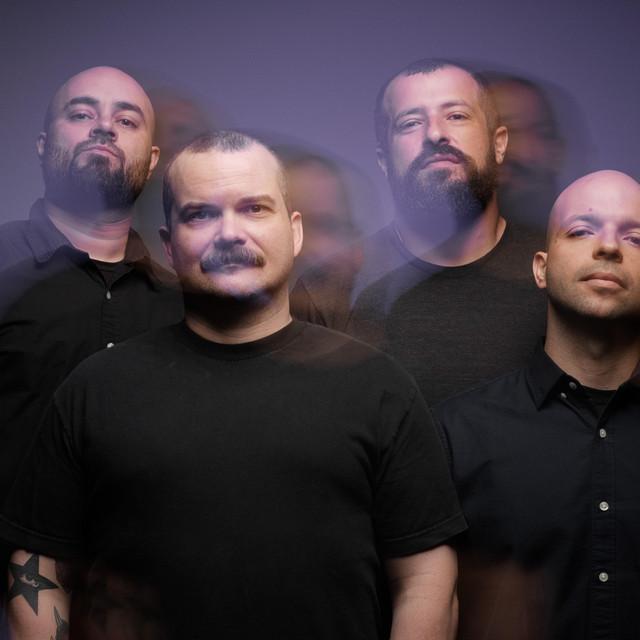
Mutoid Man’s Spotify BioMutoid Man are an American metalcore band whose sound engages everything from hardcore punk to rock and roll to complex progressive metal and neo-psych. Featuring members of Cave In, Converge, and High On Fire, the trio has issued three acclaimed studio albums (Bleeder (2015), War Moans (2017), and Mutants (2023)), since forming in New York in 2012.
The group was founded in Brooklyn by Cave In guitarist/vocalist Stephen Brodsky and Converge drummer Ben Koller, who played in one another's projects. Soundman Nick Cageao from Brooklyn's notorious St. Vitus club was recruited as bassist for their debut EP, Helium Head, issued on Magic Bullet in 2013. They signed to Sargent House in 2014 and recorded their full-length debut, Bleeder. The LP, released the following year, saw the outsider power trio blur the genres between extreme music. Mutoid Man returned in 2017 with their like-minded sophomore effort, War Moans, which featured guest appearances by Chelsea Wolfe, Megadeth guitarist Marty… Friedman, and Converge guitarist and producer extraordinaire Kurt Ballou. Cageao left the fold in 2021 and was replaced by High on Fire bass player Jeff Matz, who made his studio debut on 2023's raw and adrenalized Mutants. ~ Thom Jurek & James Christopher Monger, Rovi
Viberate is a music analytics platform built for A&Rs, artist managers, labels, booking agents, marketers, and artists.
It helps music professionals track artist growth, analyze audience data, monitor playlist activity, compare artists, follow song performance, and identify opportunities across the music market.
Public artist pages provide a free preview of selected artist data. Paid plans provide access to deeper analytics, historical data, charts, comparisons, playlist tools, exports, alerts, reports, and additional professional features.
Yes. Public Viberate artist pages provide selected artist analytics and music data for free.
Viberate also offers a 7-day free trial of the full platform. A credit card is required to start the trial. The trial includes access to the complete product so users can test deeper artist analytics, historical views, playlist insights, comparisons, charts, exports, alerts, and reporting features before choosing a paid plan.
Viberate provides artist analytics across streaming, playlists, social media, video, radio airplay, songs, and audience markets.
Users can analyze Spotify performance, Spotify and Apple Music playlists, YouTube activity, TikTok and Instagram growth, radio spins, song performance, audience locations, demographics, rankings, and overall artist momentum.
Artist profiles also connect to music charts, similar artists, and comparison tools, helping users benchmark performance and evaluate artists in context.
Viberate updates key artist and track data daily.
For followed artists and tracks, selected data is refreshed multiple times per day. This helps teams monitor playlist changes, streaming movement, audience growth, releases, and campaign performance with more current data.
Update frequency can vary depending on the metric and data source.
Yes. Viberate lets users compare up to five artists side by side across streaming, social media, audience, and engagement metrics.
Users can compare fanbase growth, audience demographics, locations, Spotify performance, social metrics, and other artist data over selected time periods.
Artist comparison can be used for A&R scouting, benchmarking, booking decisions, campaign planning, and evaluating artists with similar audiences or market positions.