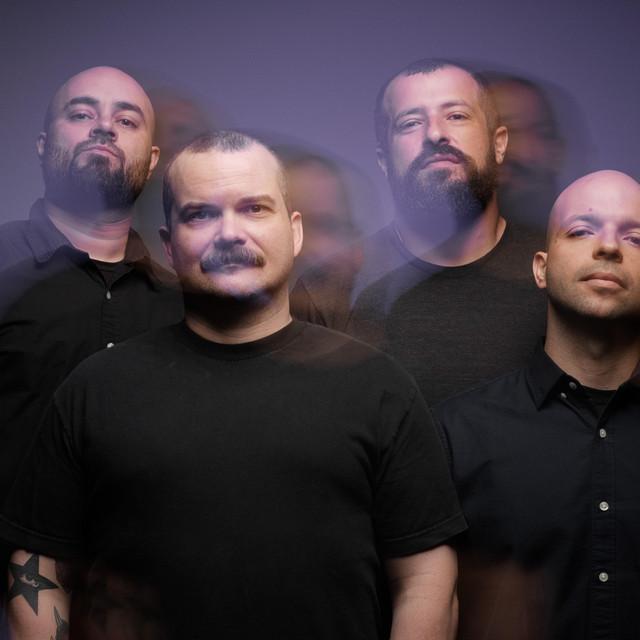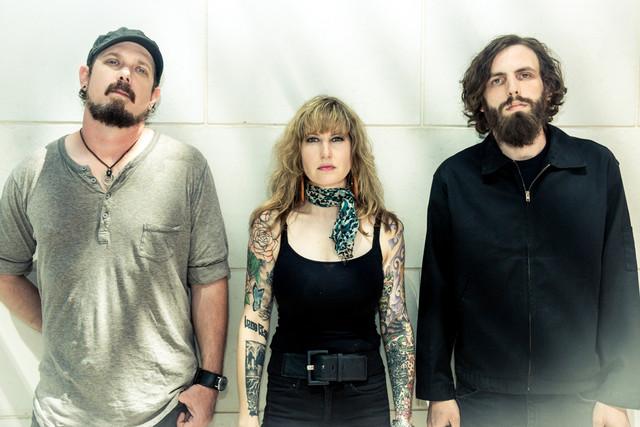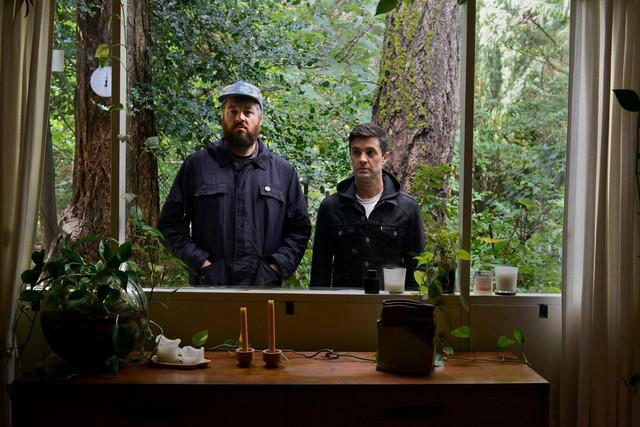
Big Business

Metal
Doom/Sludge Metal
 Viberate Rank: 131971
 Viberate Rank: 131971
 Monthly ListenersFollowers
 Subscribers
 Followers
 Followers
 FansTop Spotify Songs
| Track | 7-Day Streams | |
|---|---|---|
1 | 2.54K | |
2 | 1.66K | |
3 | 1.20K | |
4 | 1.08K | |
5 | 1.04K |
Top YouTube VideosMonthly ListenersFeatured in Playlists| Playlist | Followers | |
|---|---|---|
1 |  The Sound of Everything The Sounds of Spotify | 53.82K |
2 |  Ultimate Sludge Metal Loudwire | 30.13K |
3 |  Stoner Rock A-Z boogievan | 24.16K |
4 |  Stoner Metal The Brick | 21.41K |
5 |  Doomed Track Aras | 12.97K |
Audience| City | Monthly Listeners | |
|---|---|---|
1 | | 359 |
2 | | 327 |
3 | | 305 |
4 | | 253 |
5 |  | 252 |
See full performance history, audience data, playlist activity, rankings, comparisons, and more in Viberate music analytics. Start with a free trial, then continue with a paid plan.
Big Business’ Spotify BioBig Business is a two-piece band that mixes metal, grunge, and indie rock influences into a massive, hard-hitting sound that belies the fact that only two people are responsible for their Wall of Sound. Friends and sometimes collaborators with fellow alternative metal stalwarts the Melvins, Big Business are a bass-and-drums duo who use keyboards to carry their melodies instead of guitars, and their music has a sense of thematic grandeur that suits their monolithic approach. While Big Business added a guitarist for the albums Mind the Drift (2009) and Battlefields Forever (2013), with 2016's Command Your Weather, they were once again a duo and no less heavy for it.
Big Business formed in Seattle in 2003, comprising two veterans from the local alternative metal scene: bassist and singer Jared Warren, formerly of Karp, and drummer Coady Willis, formerly of the Murder City Devils. After releasing a self-titled demo in 2004 on their own Wantage USA label, Big Business signed with the indie H…ydra Head Industries label for their proper debut album, Head for the Shallow, in early 2005. After touring in support of the album, Willis and Warren relocated from Seattle to Los Angeles in early 2006. Later that year at the invitation of fellow Pacific Northwest transplant Dale Crover, Willis and Warren became the rhythm section of Crover's long-running sludge metal act the Melvins, starting with the album A Senile Animal. For that release's tour, Big Business performed an opening set on their own, followed by a set backing Crover. The duo's second album, 2007's Here Come the Waterworks, featured a slightly wider range of influences and instrumental dynamics, including occasional bits of synth and guitar.
Arriving in 2009, Mind the Drift saw the group morph into a trio with the addition of guitarist/keyboardist Toshi Kasai. The following year brought in another new player, guitarist Scott Martin, who would make his first studio appearance on 2013's Battlefields Forever. Kasai and Martin had dropped out of the group by the time Command Your Weather, the band's fourth studio long-player, dropped in 2016. Still a loud and proud duo, Big Business returned in 2019 with The Beast You Are. ~ Stewart Mason, Rovi
Viberate is a music analytics platform built for A&Rs, artist managers, labels, booking agents, marketers, and artists.
It helps music professionals track artist growth, analyze audience data, monitor playlist activity, compare artists, follow song performance, and identify opportunities across the music market.
Public artist pages provide a free preview of selected artist data. Paid plans provide access to deeper analytics, historical data, charts, comparisons, playlist tools, exports, alerts, reports, and additional professional features.
Yes. Public Viberate artist pages provide selected artist analytics and music data for free.
Viberate also offers a 7-day free trial of the full platform. A credit card is required to start the trial. The trial includes access to the complete product so users can test deeper artist analytics, historical views, playlist insights, comparisons, charts, exports, alerts, and reporting features before choosing a paid plan.
Viberate provides artist analytics across streaming, playlists, social media, video, radio airplay, songs, and audience markets.
Users can analyze Spotify performance, Spotify and Apple Music playlists, YouTube activity, TikTok and Instagram growth, radio spins, song performance, audience locations, demographics, rankings, and overall artist momentum.
Artist profiles also connect to music charts, similar artists, and comparison tools, helping users benchmark performance and evaluate artists in context.
Viberate updates key artist and track data daily.
For followed artists and tracks, selected data is refreshed multiple times per day. This helps teams monitor playlist changes, streaming movement, audience growth, releases, and campaign performance with more current data.
Update frequency can vary depending on the metric and data source.
Yes. Viberate lets users compare up to five artists side by side across streaming, social media, audience, and engagement metrics.
Users can compare fanbase growth, audience demographics, locations, Spotify performance, social metrics, and other artist data over selected time periods.
Artist comparison can be used for A&R scouting, benchmarking, booking decisions, campaign planning, and evaluating artists with similar audiences or market positions.