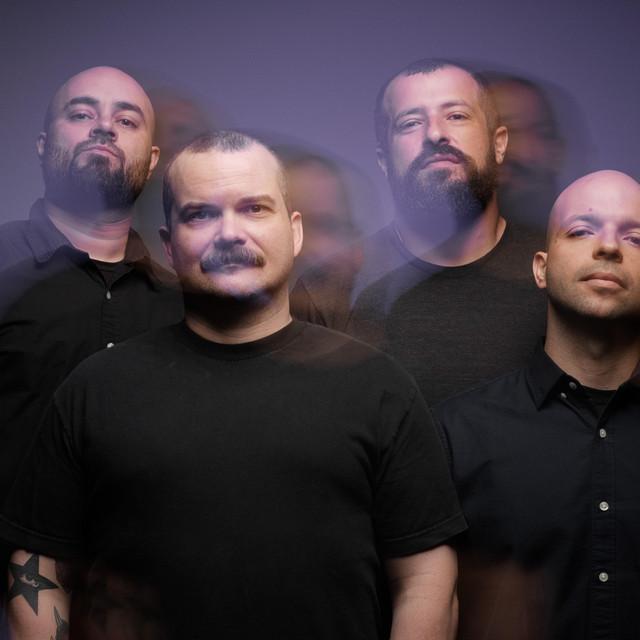
Baroness

Metal
Progressive Metal
Doom/Sludge Metal
Alternative Rock
 Viberate Rank: 33594
 Viberate Rank: 33594
 Monthly ListenersFollowers
 Subscribers
 Followers
 Followers
 FansTop Spotify Songs
| Track | 7-Day Streams | |
|---|---|---|
1 | 14.82K | |
2 | 12.33K | |
3 | 9.01K | |
4 | 8.38K | |
5 | 6.78K |
Top YouTube Videos| Video | 7-Day Views | |
|---|---|---|
1 | 1.47K | |
2 | 44 | |
3 | 15 | |
4 | 13 | |
5 | 2 |
Monthly ListenersFeatured in Playlists| Playlist | Followers | |
|---|---|---|
1 | sad metal songs. Sebastian Finta | 78.46K |
2 |  Greatest Metal Songs of All Time Jake Smith | 37.28K |
3 |  Stoner Rock & Psychedelic Space Rock StonerRock.Space | 36.07K |
4 |  NPR All Songs Considered - The Bob Boilen years (unofficial) Fri Tsch | 30.02K |
5 |  WonkoFM WonkoTheSane | 21.06K |
Audience| City | Monthly Listeners | |
|---|---|---|
1 | | 1.78K |
2 | | 1.41K |
3 |  | 1.24K |
4 | | 1.17K |
5 | | 1.15K |
See full performance history, audience data, playlist activity, rankings, comparisons, and more in Viberate music analytics. Start with a free trial, then continue with a paid plan.
Baroness’ Spotify BioBaroness formed in Savannah, GA in 2003, a home-base where they formed their creative ideology, booked their own shows, hand-printed their merchandise, & began a relentless touring regimen, with a DIY/punk-ethic that they had shared since adolescence. In 2007, they released their critically acclaimed debut, the sludgy, guitar-banging The Red Album, which Revolver magazine awarded "Album of the Year". They followed it up with the proggier, heavier Blue Record, extreme-metal magazine Decibel’s "Album of the Year." On 2012’s double-album Yellow & Green the band began to really open up, exploring a much broader variety of songs with more melodic vocals and alt-rock arrangements, earning a Top 30 chart debut in the US and Spin magazine’s "Metal Album of the Year."
In 2015 the band formed their own label, Abraxan Hymns, and released Purple, which Rolling Stone proclaimed “…a ferociously cathartic and brilliantly crafted blast of progressive metal.” In 2019, the Grammy-nominated band returned… with ambitious album, Gold & Grey, which swirls triumphantly past genre barriers with anthemic alt-metal hooks ricocheting between twists of prog and jazz, swirls of space-rock and noise, and pulses of trip-hop and 20th Century minimalism. 2023’s sixth studio album STONE streamlines the momentous multi-genre vocabulary of its predecessor, refocusing for efficiency and rethought as a consequence of stability. Lead singer John Baizley comments, “STONE is a lot more alive, more direct.”
Viberate is a music analytics platform built for A&Rs, artist managers, labels, booking agents, marketers, and artists.
It helps music professionals track artist growth, analyze audience data, monitor playlist activity, compare artists, follow song performance, and identify opportunities across the music market.
Public artist pages provide a free preview of selected artist data. Paid plans provide access to deeper analytics, historical data, charts, comparisons, playlist tools, exports, alerts, reports, and additional professional features.
Yes. Public Viberate artist pages provide selected artist analytics and music data for free.
Viberate also offers a 7-day free trial of the full platform. A credit card is required to start the trial. The trial includes access to the complete product so users can test deeper artist analytics, historical views, playlist insights, comparisons, charts, exports, alerts, and reporting features before choosing a paid plan.
Viberate provides artist analytics across streaming, playlists, social media, video, radio airplay, songs, and audience markets.
Users can analyze Spotify performance, Spotify and Apple Music playlists, YouTube activity, TikTok and Instagram growth, radio spins, song performance, audience locations, demographics, rankings, and overall artist momentum.
Artist profiles also connect to music charts, similar artists, and comparison tools, helping users benchmark performance and evaluate artists in context.
Viberate updates key artist and track data daily.
For followed artists and tracks, selected data is refreshed multiple times per day. This helps teams monitor playlist changes, streaming movement, audience growth, releases, and campaign performance with more current data.
Update frequency can vary depending on the metric and data source.
Yes. Viberate lets users compare up to five artists side by side across streaming, social media, audience, and engagement metrics.
Users can compare fanbase growth, audience demographics, locations, Spotify performance, social metrics, and other artist data over selected time periods.
Artist comparison can be used for A&R scouting, benchmarking, booking decisions, campaign planning, and evaluating artists with similar audiences or market positions.