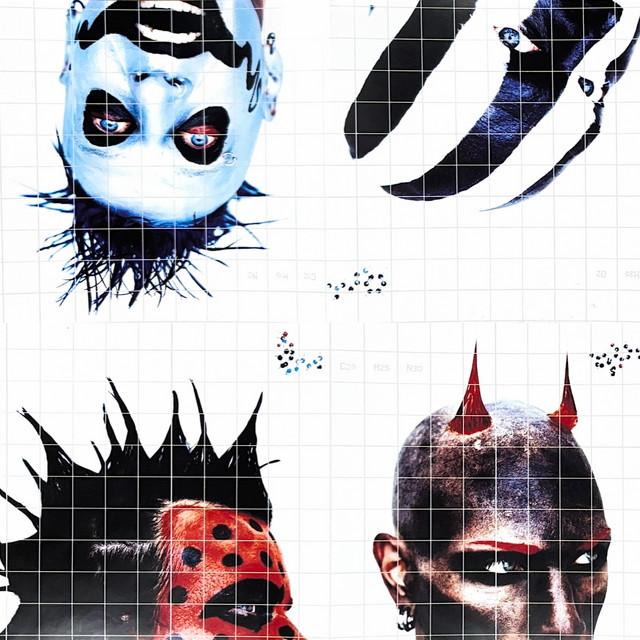
Mudvayne

Metal
Alternative Metal
Nu Metal
 Viberate Rank: 5712
 Viberate Rank: 5712
 Monthly ListenersFollowers
 Subscribers
 Followers
 Followers
 FansTop Spotify Songs
| Track | 7-Day Streams | |
|---|---|---|
1 | 512.27K | |
2 | 317.20K | |
3 | 168.60K | |
4 | 125.14K | |
5 | 117.65K |
Top YouTube Videos| Video | 7-Day Views | |
|---|---|---|
1 | 168.47K | |
2 | 101.88K | |
3 | 96.37K | |
4 | 45.67K | |
5 | 41.58K |
Monthly ListenersFeatured in Playlists| Playlist | Followers | |
|---|---|---|
1 |  Heavy Workout Spotify | 2.49M |
2 |  Nu Metal Era Spotify | 2.34M |
3 |  00s Metal Classics Spotify | 1.42M |
4 |  Rock Covers Spotify | 771.16K |
5 |  Party Hard Spotify | 578.76K |
Audience| City | Monthly Listeners | |
|---|---|---|
1 | | 31.42K |
2 | | 26.98K |
3 |  | 24.34K |
4 | | 22.02K |
5 | | 21.55K |
See full performance history, audience data, playlist activity, rankings, comparisons, and more in Viberate music analytics. Start with a free trial, then continue with a paid plan.
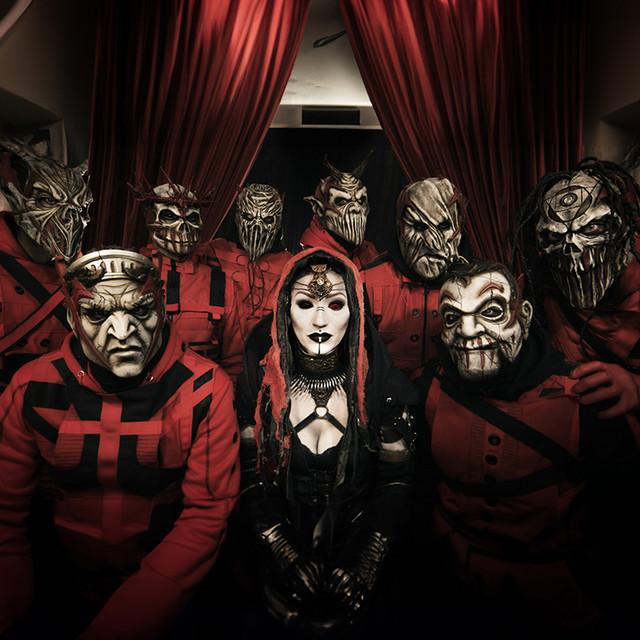
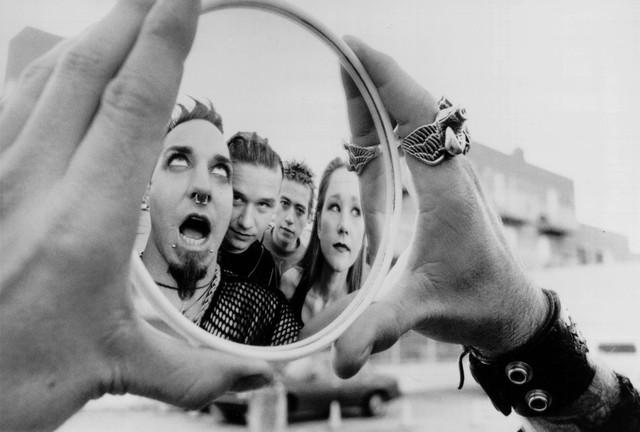
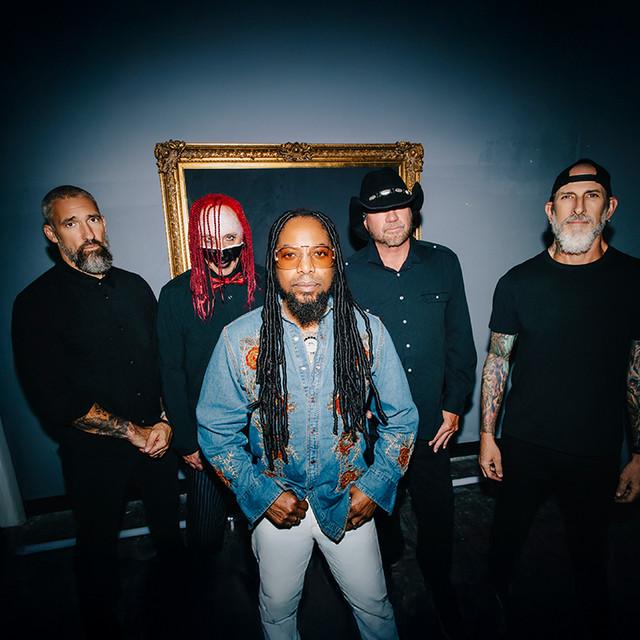
Mudvayne’s Spotify BioHeavy metal quartet Mudvayne formed in Peoria, IL, in 1996, its members adopting the unusual pseudonyms sPaG (M. McDonough) (drums), Gurrg (G. Tribbett) (guitar), and Kud (Chad Gray) (vocals). The group's original bassist was replaced after two years by Ryknow (Ryan Martinie). During their development, the bandmembers began the practice of applying bizarre makeup. After self-releasing their first album, Kill, I Oughta, they were signed by Epic Records and recorded their major-label debut, L.D. 50, which was released in August 2000 shortly after the end of their first national tour opening for Slipknot. The album later went gold and earned Mudvayne the first-ever MTV2 Video Award at the 2001 MTV Video Music Awards. Mudvayne continued touring and reissued their self-released debut EP, Kill, I Oughta, in November 2001 as The Beginning of All Things to End. A year later the band returned with its official follow-up, The End of All Things to Come, which was recorded at Minneapolis'… Pachyderm Studios with Tool producer David Bottrill. With a new album came new personas, this time as space aliens. The bandmembers changed their names accordingly, taking the new monikers of Chüd (Kud), Güüg (Gurrg), R-üD (Ryknow), and Spüg (sPaG). They embarked on a European tour, arriving back stateside in July to join the Summer Sanitarium shed tour, featuring such heavyweights as Metallica and Linkin Park. In 2005, the band released Lost and Found, their third album for Epic. In September 2007, Mudvayne announced they would allow fans to vote on the band's website to determine the track selection for the compilation By the People, for the People, released the following month. The all new full-length New Game arrived in November 2008, followed six months later by an eponymous 2009 effort. ~ William Ruhlmann, Rovi
Viberate is a music analytics platform built for A&Rs, artist managers, labels, booking agents, marketers, and artists.
It helps music professionals track artist growth, analyze audience data, monitor playlist activity, compare artists, follow song performance, and identify opportunities across the music market.
Public artist pages provide a free preview of selected artist data. Paid plans provide access to deeper analytics, historical data, charts, comparisons, playlist tools, exports, alerts, reports, and additional professional features.
Yes. Public Viberate artist pages provide selected artist analytics and music data for free.
Viberate also offers a 7-day free trial of the full platform. A credit card is required to start the trial. The trial includes access to the complete product so users can test deeper artist analytics, historical views, playlist insights, comparisons, charts, exports, alerts, and reporting features before choosing a paid plan.
Viberate provides artist analytics across streaming, playlists, social media, video, radio airplay, songs, and audience markets.
Users can analyze Spotify performance, Spotify and Apple Music playlists, YouTube activity, TikTok and Instagram growth, radio spins, song performance, audience locations, demographics, rankings, and overall artist momentum.
Artist profiles also connect to music charts, similar artists, and comparison tools, helping users benchmark performance and evaluate artists in context.
Viberate updates key artist and track data daily.
For followed artists and tracks, selected data is refreshed multiple times per day. This helps teams monitor playlist changes, streaming movement, audience growth, releases, and campaign performance with more current data.
Update frequency can vary depending on the metric and data source.
Yes. Viberate lets users compare up to five artists side by side across streaming, social media, audience, and engagement metrics.
Users can compare fanbase growth, audience demographics, locations, Spotify performance, social metrics, and other artist data over selected time periods.
Artist comparison can be used for A&R scouting, benchmarking, booking decisions, campaign planning, and evaluating artists with similar audiences or market positions.