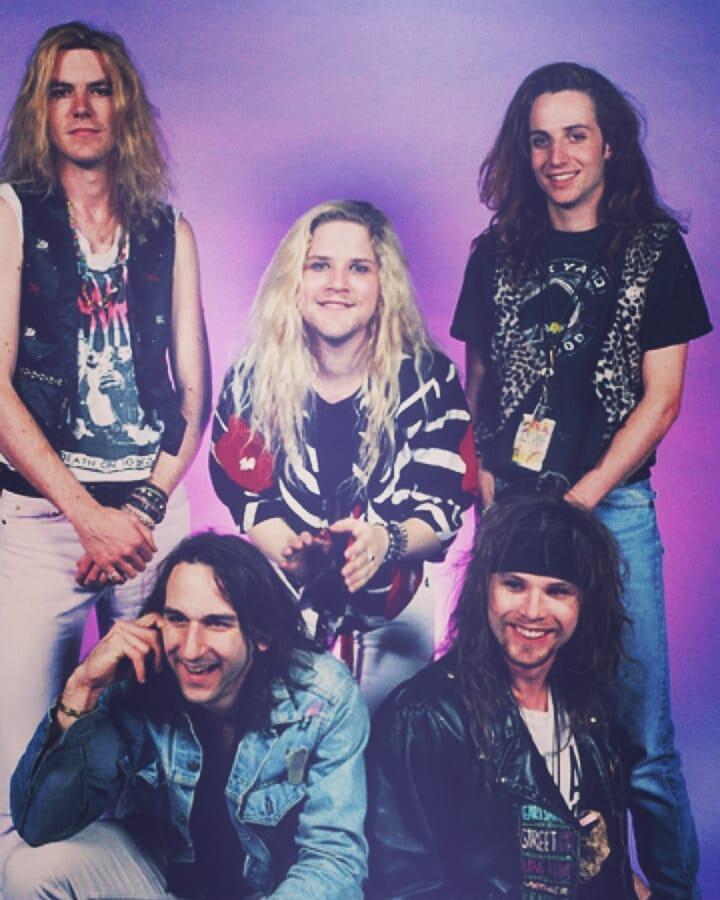
Mother Love Bone

Rock
Alternative Rock
Indie Rock
 Viberate Rank: 43250
 Viberate Rank: 43250
 Monthly ListenersFollowers
 Subscribers
 Followers
 Followers
 FansTop Spotify Songs
| Track | 7-Day Streams | |
|---|---|---|
1 | 45.25K | |
2 | 31.85K | |
3 | 20.36K | |
4 | 19.36K | |
5 | 12.11K |
Top YouTube VideosMonthly ListenersFeatured in Playlists| Playlist | Followers | |
|---|---|---|
1 |  Grunge Forever Spotify | 1.78M |
2 |  Funk Rock Spotify | 472.13K |
3 |  1000 Recordings to Hear Before You Die (Tom Moon): Album Index Ulysses' Classical | 94.29K |
4 | Best Alternative Rock From the 90's until Now Jose Manuel Lopez Escribano | 91.63K |
5 |  90's Nostalgia & 2000 Throw Backs! Major | 88.74K |
Audience| City | Monthly Listeners | |
|---|---|---|
1 |  | 4.72K |
2 | | 3.47K |
3 |  | 3.45K |
4 |  | 3.40K |
5 | | 3.40K |
See full performance history, audience data, playlist activity, rankings, comparisons, and more in Viberate music analytics. Start with a free trial, then continue with a paid plan.
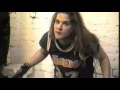
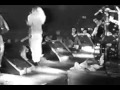
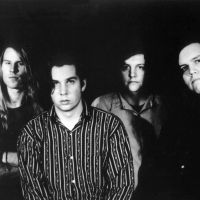
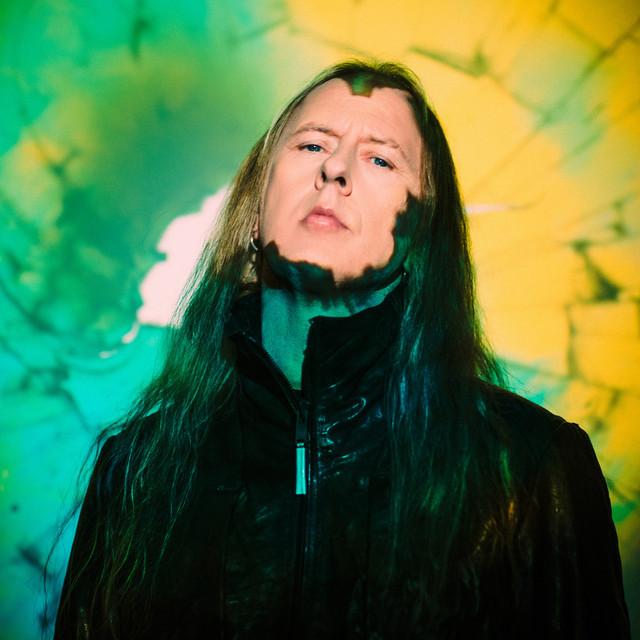
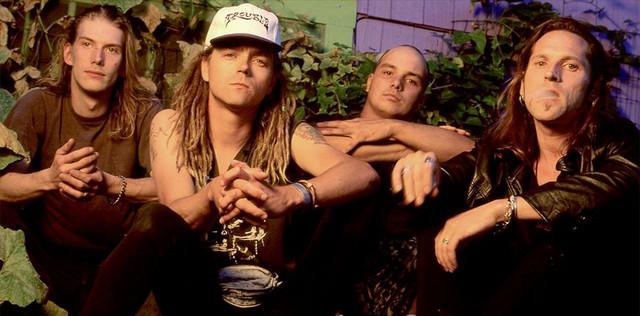
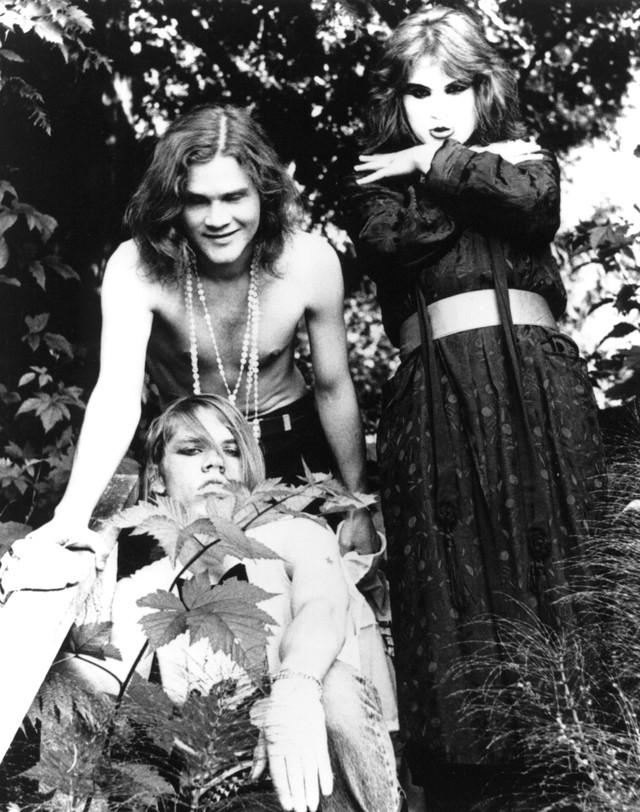
Mother Love Bone’s Spotify BioBefore Pearl Jam, there was Mother Love Bone. Future Pearl Jam members Stone Gossard (guitar) and Jeff Ament (bass) were founders of this Seattle-based glam/punk outfit, which was fronted by flamboyant singer Andrew Wood. But despite countless accolades from the press and their peers, the group's career was cut short before it could truly blossom due to tragedy.
Both Gossard and Ament had previously been members of Seattle garage rockers Green River (a group that also included future Mudhoney members Mark Arm and Steve Turner), and after the group's breakup in 1988, the guitarist and bassist stuck together, looking to form a group more akin to the arena rockers of their youth (Kiss, Aerosmith, Led Zeppelin, Queen, etc.). Joining Gossard and Ament was drummer Greg Gilmore, second guitarist Bruce Fairweather, and the aforementioned Wood on vocals. Wood (who was previously known as Landrew the Love Child as a member of another Seattle outfit, Malfunkshun) was the complete opposite of the… prototypical Seattle frontman as he patterned his look and vocal style after such renowned frontmen as Freddie Mercury, Paul Stanley, and Marc Bolan. But although the group had a few similarities to the then-flourishing glam metal scene, their sound was tougher and more rooted in classic rock than their soon-to-be disposable glam contemporaries.
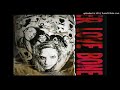
The group created a buzz from the get-go as the quintet inked a deal with Polygram shortly after forming and were given their own label, Stardog, resulting in the release of the six-track EP Shine in 1989. The year was spent touring and plotting their full-length debut, which was eventually completed by the end of the year, with a projected release in spring of 1990. Expectations for the disc were high and sensing this, Wood wanted to be at his best, so the singer checked himself into a rehab center to try and conquer an addiction to heroin. But on March 16, 1990, Wood was found by his fiancée unconscious in his bed, having overdosed on the drug. Despite efforts to revive him, Wood was eventually pronounced dead three days later. Devastated, the group called it quits as the resulting album, Apple, was issued several months later in the fall of 1990.
Gossard and Ament slowly worked their way back into music, as they joined up with Soundgarden members Matt Cameron and Chris Cornell (the latter a good friend and former roommate of Wood's) to record a pair of songs that Cornell had penned for the late singer. But the sessions soon took on a life of their own and a full album's worth of tunes was recorded, issued as a self-titled release in 1991 under the name of Temple of the Dog (a phrase from one of Wood's lyrics). The album also saw contributions from guitarist Mike McCready and singer Eddie Vedder, two musicians whom Gossard and Ament had been jamming with, soon resulting in the formation of Pearl Jam. With both Soundgarden and Pearl Jam enjoying massive commercial success in 1992, Temple of the Dog enjoyed a second wind on the charts and became a sizeable hit, as interest in Mother Love Bone perked up as well. Sensing this, Polygram reissued both Shine and Apple together, as well as a home video Love Bone Earth Affair. In addition, the epic Mother Love Bone song "Chloe Dancer/Crown of Thorns" was included on the hit soundtrack to the movie Singles the same year. Besides Gossard and Ament, the other surviving members of Mother Love Bone have subsequently issued recordings as part of other bands as well (Fairweather with Love Battery and Gilmore with a host of others, including Carrie Clark, Doghead, etc.).
In 2016, the legacy of Mother Love Bone was celebrated with the triple-disc set On Earth as It Is: The Complete Works. ~ Greg Prato, Rovi
Viberate is a music analytics platform built for A&Rs, artist managers, labels, booking agents, marketers, and artists.
It helps music professionals track artist growth, analyze audience data, monitor playlist activity, compare artists, follow song performance, and identify opportunities across the music market.
Public artist pages provide a free preview of selected artist data. Paid plans provide access to deeper analytics, historical data, charts, comparisons, playlist tools, exports, alerts, reports, and additional professional features.
Yes. Public Viberate artist pages provide selected artist analytics and music data for free.
Viberate also offers a 7-day free trial of the full platform. A credit card is required to start the trial. The trial includes access to the complete product so users can test deeper artist analytics, historical views, playlist insights, comparisons, charts, exports, alerts, and reporting features before choosing a paid plan.
Viberate provides artist analytics across streaming, playlists, social media, video, radio airplay, songs, and audience markets.
Users can analyze Spotify performance, Spotify and Apple Music playlists, YouTube activity, TikTok and Instagram growth, radio spins, song performance, audience locations, demographics, rankings, and overall artist momentum.
Artist profiles also connect to music charts, similar artists, and comparison tools, helping users benchmark performance and evaluate artists in context.
Viberate updates key artist and track data daily.
For followed artists and tracks, selected data is refreshed multiple times per day. This helps teams monitor playlist changes, streaming movement, audience growth, releases, and campaign performance with more current data.
Update frequency can vary depending on the metric and data source.
Yes. Viberate lets users compare up to five artists side by side across streaming, social media, audience, and engagement metrics.
Users can compare fanbase growth, audience demographics, locations, Spotify performance, social metrics, and other artist data over selected time periods.
Artist comparison can be used for A&R scouting, benchmarking, booking decisions, campaign planning, and evaluating artists with similar audiences or market positions.