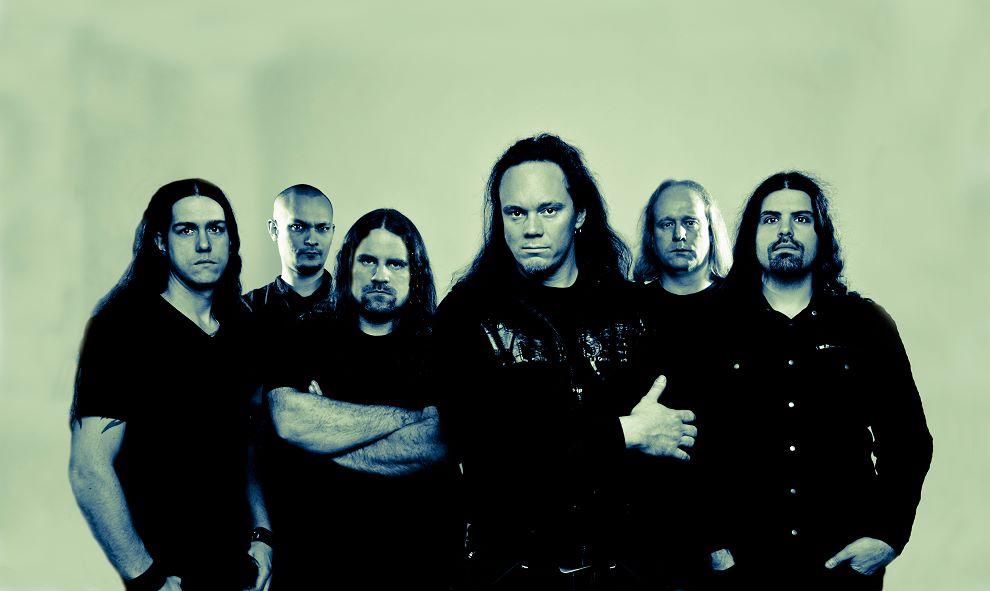
Morifade

Metal
Power Metal
 Viberate Rank: 327100
 Viberate Rank: 327100
 Monthly ListenersFollowers
 Subscribers
 Followers
 Followers
 FansTop Spotify Songs
| Track | 7-Day Streams | |
|---|---|---|
1 | 502 | |
2 | 211 | |
3 | 137 | |
4 | 130 | |
5 | 70 |
Top YouTube VideosMonthly ListenersFeatured in Playlists| Playlist | Followers | |
|---|---|---|
1 |  Power Speed and Metal Chris Entonie | 38.53K |
2 | Melodic Metal & Rock arctic4x | 5.59K |
3 |  Track Of The Day Rocknytt | 3.22K |
4 |  Best of Power Metal rikkukun | 2.64K |
5 | SUNGENS HÅRDROCKSFREDAG Magnus Östling | 2.11K |
Audience| City | Monthly Listeners | |
|---|---|---|
1 | | 171 |
2 | | 138 |
3 |  | 93 |
4 |  | 47 |
5 |  | 46 |
See full performance history, audience data, playlist activity, rankings, comparisons, and more in Viberate music analytics. Start with a free trial, then continue with a paid plan.
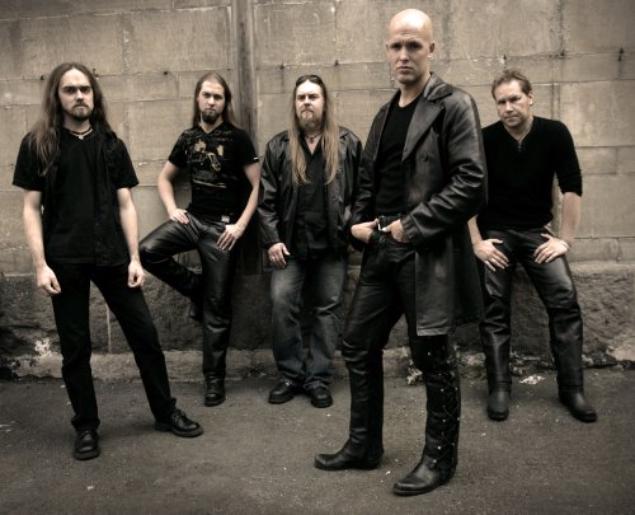
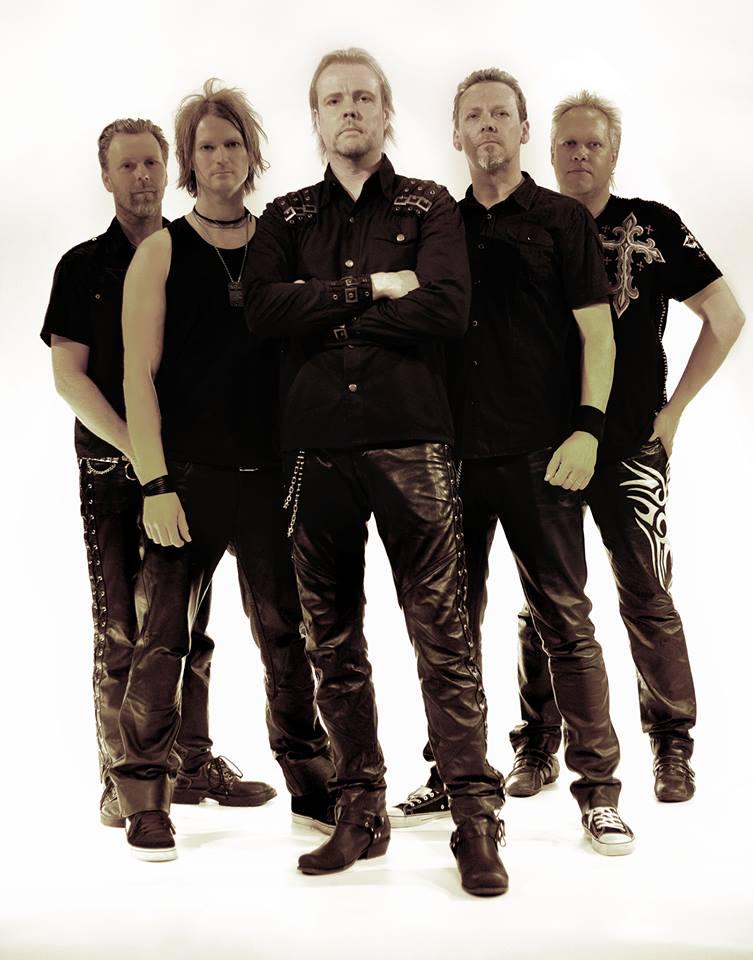
Morifade’s Spotify BioPower metal -- an aggressive and hard-driving, yet melodic style of heavy metal that is associated with headbangers like Judas Priest, Iron Maiden, Helloween, King Diamond, and Queensrÿche -- started in the '70s and reached its commercial peak in the '80s. Nonetheless, new power metal bands continued to be formed in the '90s and 2000s -- especially in Europe, although post-'80s power metallers have also come from the United States and Latin America. Like Rhapsody, Evergrey, Symphony X, and Iron Savior, Morifade are a post-'80s power metal band who are totally unaffected by the alternative metal trends of the '90s and 2000s. Morifade were formed in Sweden in 1992, but their primary influences are bands that came along in the '70s and early '80s; the Scandinavian outfit shows no awareness of hip-hop, industrial music, techno, grunge, or any other styles that have influenced alternative metal. Their headbanger influences include, among others, Judas Priest, Queensrÿche, King Diamond, Iron… Maiden, and the New Wave Of British Heavy Metal (NWOBHM) explosion of the late '70s and early '80s -- and Morifade have also been affected by '70s progressive rock favorites such as Rush, Emerson, Lake & Palmer, Genesis, and Yes. And Morifade, like many other power metal acts, realize that aggression and musicality are not mutually exclusive; their work is loud, forceful, and intense, but it's also melodic and intricate.
Along the way, Morifade have had their share of lineup changes. Originally known as Gothic, Morifade started out with a four-man lineup consisting of Fredrik Johansson (lead vocals, electric guitar, acoustic guitar), Jesper Johansson (electric guitar, acoustic guitar), Henrik Weimedal (bass), and Kim Arnell (drums, percussion). In 1996, the band gained a fifth member when Christian Stinga-Borg took over the lead vocals; Fredrik Johansson, the band's original lead singer, remained as an electric and acoustic guitarist. Stinga-Born's three-year-stay in Morifade ended in 1999, when Stefan Petersson became the band's new lead singer. It was also in 1999 that keyboardist Fredrik "Frippe" Eriksson (formerly of the band Tad Morose), and ex-Nephenzy guitarist Adrian Kanebäck came on board; Fredrik Johansson left in 1999. When Kanebäck took off in 2001, he was replaced by Kim Arnell's younger brother, Robin Arnell. Although Morifade has been around since 1992, the headbangers didn't have any recordings out until the late '90s. Their debut EP, Across the Starlit Sky, was recorded in 1997 and 1998, and their first full-length album, Possession of Power, came out in 1999. Those discs were followed by the release of the EP Cast a Spell in 2000, and Imaginarium (their second full-length album) in 2002. Then, in 2003, the Swedes recorded their third full-length album, Domination, a highly conceptual, science-fiction-influenced effort that is loosely based on two novels: Aldous Huxley's: Brave New World and George Orwell's 1984. After a few delays, Domination was released on Candlelight in the United States in March 2004. ~ Alex Henderson, Rovi
Viberate is a music analytics platform built for A&Rs, artist managers, labels, booking agents, marketers, and artists.
It helps music professionals track artist growth, analyze audience data, monitor playlist activity, compare artists, follow song performance, and identify opportunities across the music market.
Public artist pages provide a free preview of selected artist data. Paid plans provide access to deeper analytics, historical data, charts, comparisons, playlist tools, exports, alerts, reports, and additional professional features.
Yes. Public Viberate artist pages provide selected artist analytics and music data for free.
Viberate also offers a 7-day free trial of the full platform. A credit card is required to start the trial. The trial includes access to the complete product so users can test deeper artist analytics, historical views, playlist insights, comparisons, charts, exports, alerts, and reporting features before choosing a paid plan.
Viberate provides artist analytics across streaming, playlists, social media, video, radio airplay, songs, and audience markets.
Users can analyze Spotify performance, Spotify and Apple Music playlists, YouTube activity, TikTok and Instagram growth, radio spins, song performance, audience locations, demographics, rankings, and overall artist momentum.
Artist profiles also connect to music charts, similar artists, and comparison tools, helping users benchmark performance and evaluate artists in context.
Viberate updates key artist and track data daily.
For followed artists and tracks, selected data is refreshed multiple times per day. This helps teams monitor playlist changes, streaming movement, audience growth, releases, and campaign performance with more current data.
Update frequency can vary depending on the metric and data source.
Yes. Viberate lets users compare up to five artists side by side across streaming, social media, audience, and engagement metrics.
Users can compare fanbase growth, audience demographics, locations, Spotify performance, social metrics, and other artist data over selected time periods.
Artist comparison can be used for A&R scouting, benchmarking, booking decisions, campaign planning, and evaluating artists with similar audiences or market positions.