Nostradameus

Metal
Power Metal
 Viberate Rank: 279654
 Viberate Rank: 279654
 Monthly ListenersFollowers
 Subscribers
 Followers
 Followers
 FansTop Spotify Songs
| Track | 7-Day Streams | |
|---|---|---|
1 | 542 | |
2 | 462 | |
3 | 279 | |
4 | 241 | |
5 | 111 |
Top YouTube VideosMonthly ListenersFeatured in Playlists| Playlist | Followers | |
|---|---|---|
1 |  Power Speed and Metal Chris Entonie | 38.53K |
2 | Heavy/Metal/Rock (Baladas) elcarlesdesiempre | 9.79K |
3 |  Power Metal / Speed Metal Subterranean Steel | 6.70K |
4 | Melodic Metal & Rock arctic4x | 5.59K |
5 |  Waves of Electric Fire - Metal Blossora | 4.83K |
Audience| City | Monthly Listeners | |
|---|---|---|
1 |  | 252 |
2 |  | 137 |
3 |  | 116 |
4 |  | 108 |
5 | | 62 |
See full performance history, audience data, playlist activity, rankings, comparisons, and more in Viberate music analytics. Start with a free trial, then continue with a paid plan.
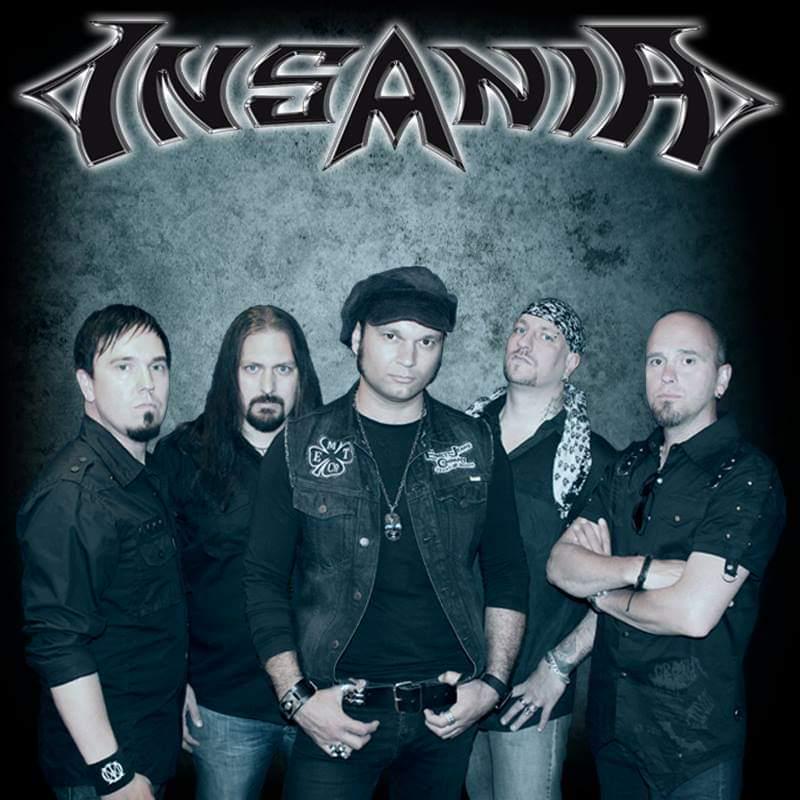
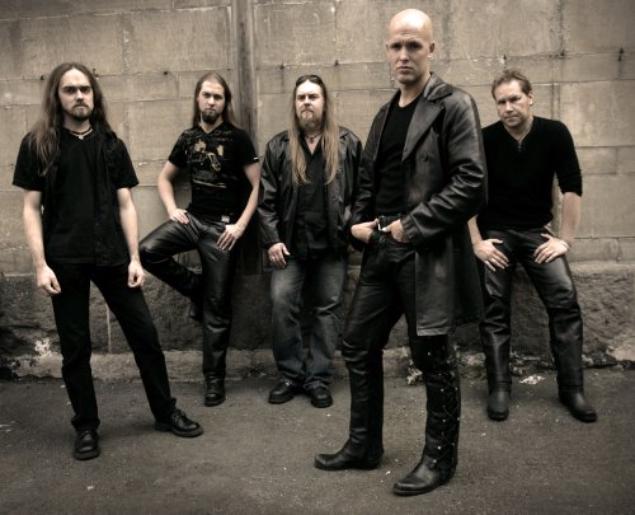
Nostradameus’ Spotify BioNostradameus is a melodic speed/power metal band from Sweden's melodic death metal capital of Gothenburg, that formed in 1998 after vocalist Freddy Persson and guitarist Jake Fredén attended a Gamma Ray concert and decided to follow in their musical footsteps. A demo was soon recorded and dispatched to numerous metal labels, among which Germany's AFM Records decided to take a chance on Nostradameus -- now fleshed out by second guitarist Erik Söderman, bassist Thomas Antonsson, and drummer Gustav Nahlin -- and released their debut album, Words of Nostradameus, in the year 2000, soon to be followed by 2001's The Prophet of Evil (on which Söderman was replaced by Michael Åberg, and Nahlin by Jesse Lindskog). Although expertly executed templates of the power metal genre, neither of these distinguished the band from the countless others mining the same terrain, but they still helped Nostradameus secure placement as tour openers for Edguy, before beginning work on their third album, 2003's… The Third Prophecy, featuring yet another new drummer in Esko Salow, who at least stuck around for 2004's Hellbound, and a couple more albums thereafter. But the band members took some time off to explore different projects, losing Åberg to hometown rivals Destiny, before reconvening and unleashing 2007's Pathways and 2009's Illusion's Parade. ~ Eduardo Rivadavia, Rovi
Viberate is a music analytics platform built for A&Rs, artist managers, labels, booking agents, marketers, and artists.
It helps music professionals track artist growth, analyze audience data, monitor playlist activity, compare artists, follow song performance, and identify opportunities across the music market.
Public artist pages provide a free preview of selected artist data. Paid plans provide access to deeper analytics, historical data, charts, comparisons, playlist tools, exports, alerts, reports, and additional professional features.
Yes. Public Viberate artist pages provide selected artist analytics and music data for free.
Viberate also offers a 7-day free trial of the full platform. A credit card is required to start the trial. The trial includes access to the complete product so users can test deeper artist analytics, historical views, playlist insights, comparisons, charts, exports, alerts, and reporting features before choosing a paid plan.
Viberate provides artist analytics across streaming, playlists, social media, video, radio airplay, songs, and audience markets.
Users can analyze Spotify performance, Spotify and Apple Music playlists, YouTube activity, TikTok and Instagram growth, radio spins, song performance, audience locations, demographics, rankings, and overall artist momentum.
Artist profiles also connect to music charts, similar artists, and comparison tools, helping users benchmark performance and evaluate artists in context.
Viberate updates key artist and track data daily.
For followed artists and tracks, selected data is refreshed multiple times per day. This helps teams monitor playlist changes, streaming movement, audience growth, releases, and campaign performance with more current data.
Update frequency can vary depending on the metric and data source.
Yes. Viberate lets users compare up to five artists side by side across streaming, social media, audience, and engagement metrics.
Users can compare fanbase growth, audience demographics, locations, Spotify performance, social metrics, and other artist data over selected time periods.
Artist comparison can be used for A&R scouting, benchmarking, booking decisions, campaign planning, and evaluating artists with similar audiences or market positions.