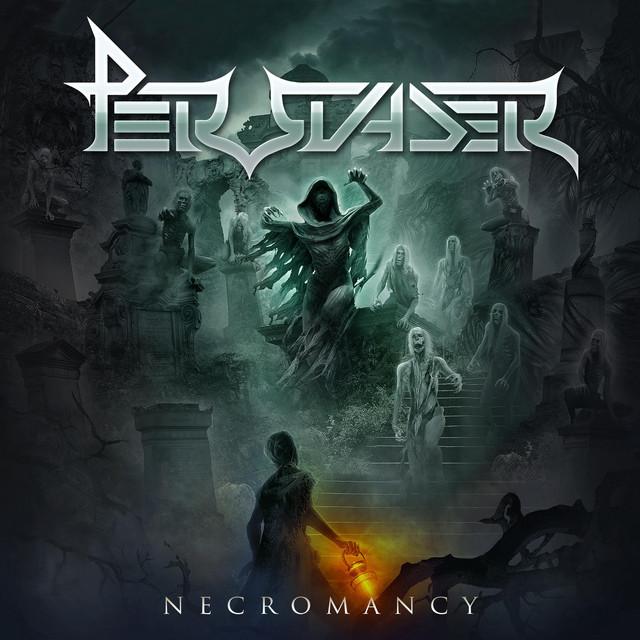
Tad Morose

Metal
Heavy Metal
Power Metal
 Viberate Rank: 241132
 Viberate Rank: 241132
 Monthly ListenersFollowers
 Subscribers
 Followers
 Followers
 FansTop Spotify Songs
| Track | 7-Day Streams | |
|---|---|---|
1 | 881 | |
2 | 223 | |
3 | 158 | |
4 | 149 | |
5 | 142 |
Top YouTube VideosMonthly ListenersFeatured in Playlists| Playlist | Followers | |
|---|---|---|
1 |  Power Speed and Metal Chris Entonie | 38.53K |
2 |  Power Metal Essentials tunesofmetal | 21.23K |
3 |  Exoskeleton: Great Metal Covers of Non-Metal Songs glenn mcdonald | 10.94K |
4 | Angry Metal Eddie Söderqvist | 7.16K |
5 | Metal Playlist Ardi Jusufi | 5.03K |
Audience| City | Monthly Listeners | |
|---|---|---|
1 | | 89 |
2 |  | 65 |
3 | | 54 |
4 |  | 48 |
5 |  | 41 |
See full performance history, audience data, playlist activity, rankings, comparisons, and more in Viberate music analytics. Start with a free trial, then continue with a paid plan.
Tad Morose’s Spotify BioThe Swedish heavy metal band Tad Morose was originally formed in 1991, and although numerous members have passed through their ranks over the years, the only constant member has been founding guitarist Christer "Krunt" Andersson. Starting off as a vocal/guitar/bass/drum quartet, the band added a keyboardist to the lineup by 1993, the same year Tad Morose recorded their first demo tape (inking a recording deal with Black Mark Production shortly thereafter). The quintet's debut full-length, Leaving the Past Behind, immediately followed, which was described by many as a combination of Metallica and Dream Theater. 1995 saw the release of the group's sophomore effort, Sender of Thoughts, which was followed up the same year with a five-track live mini-album, Paradigma, produced by renowned metal vet Mike Wead (Mercyful Fate, Memento Mori). The group faced a period of uncertainty when singer Kristian Andrèn decided to leave the band, but the group's worries didn't last long, as they found a… suitable replacement with a chap who goes by the name of Urban Breed. Further releases followed, including 1997's A Mended Rhyme and 2001's Undead (the latter of which was Tad Morose's first release for the Century Media label). ~ Greg Prato, Rovi
Viberate is a music analytics platform built for A&Rs, artist managers, labels, booking agents, marketers, and artists.
It helps music professionals track artist growth, analyze audience data, monitor playlist activity, compare artists, follow song performance, and identify opportunities across the music market.
Public artist pages provide a free preview of selected artist data. Paid plans provide access to deeper analytics, historical data, charts, comparisons, playlist tools, exports, alerts, reports, and additional professional features.
Yes. Public Viberate artist pages provide selected artist analytics and music data for free.
Viberate also offers a 7-day free trial of the full platform. A credit card is required to start the trial. The trial includes access to the complete product so users can test deeper artist analytics, historical views, playlist insights, comparisons, charts, exports, alerts, and reporting features before choosing a paid plan.
Viberate provides artist analytics across streaming, playlists, social media, video, radio airplay, songs, and audience markets.
Users can analyze Spotify performance, Spotify and Apple Music playlists, YouTube activity, TikTok and Instagram growth, radio spins, song performance, audience locations, demographics, rankings, and overall artist momentum.
Artist profiles also connect to music charts, similar artists, and comparison tools, helping users benchmark performance and evaluate artists in context.
Viberate updates key artist and track data daily.
For followed artists and tracks, selected data is refreshed multiple times per day. This helps teams monitor playlist changes, streaming movement, audience growth, releases, and campaign performance with more current data.
Update frequency can vary depending on the metric and data source.
Yes. Viberate lets users compare up to five artists side by side across streaming, social media, audience, and engagement metrics.
Users can compare fanbase growth, audience demographics, locations, Spotify performance, social metrics, and other artist data over selected time periods.
Artist comparison can be used for A&R scouting, benchmarking, booking decisions, campaign planning, and evaluating artists with similar audiences or market positions.