Moose Blood

Punk
Pop Punk
Punk Rock
 Viberate Rank: 61644
 Viberate Rank: 61644
 Monthly ListenersFollowers
 Subscribers
 Followers
 Followers
 FansTop Spotify SongsTop YouTube VideosMonthly ListenersFeatured in Playlists
| Playlist | Followers | |
|---|---|---|
1 |  You & Me Spotify | 1.14M |
2 |  Still Into You Spotify | 138.26K |
3 |  midwest emo bangers leigha | 80.41K |
4 |  Colby Brock Playlist - The Nights I'm Left Alone Heard Well | 60.57K |
5 |  midwest emo is actually good Kendall Moore | 59.01K |
Audience| City | Monthly Listeners | |
|---|---|---|
1 |  | 5.22K |
2 | | 4.45K |
3 | | 3.93K |
4 | | 3.79K |
5 | | 3.70K |
See full performance history, audience data, playlist activity, rankings, comparisons, and more in Viberate music analytics. Start with a free trial, then continue with a paid plan.
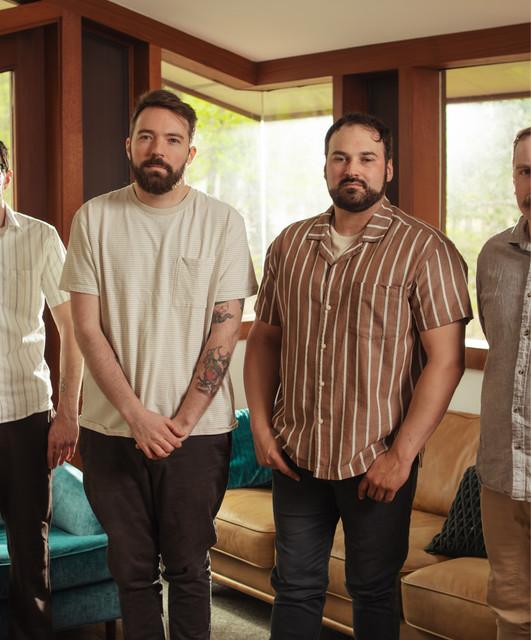
Moose Blood’s Spotify BioBursting onto the scene in 2012, Moose Blood have established themselves as one of the UK’s hottest exports across two albums (2014’s debut full-length ‘I’ll Keep You In Mind, From Time ToTime’ and 2016’s ‘Blush’) which took the best of American mid-west emo and updated it with a quintessentially British twist. The latter of those two records was a bona fide breakout success, crashing the UK top 10. Now, the band – completed by singer and guitarist Eddy Brewerton, bassist Kyle Todd and drummer Lee Munday – are gearing up to release their hotly anticipated third LP ‘I Don’t Think I Can Do This Anymore’, a record which delves into the most complexly emotional territory they’ve ever explored; Brewerton and Osborne’s fertile creative partnership beautifully excavating universal traumas with deft skill. The sound of two songwriters reaching their peak. “We want people to take what they need for their lives from this record,” notes Brewerton. “Making it has felt like a catharsis for us, and… it would be great if it can help other people in the same way.” And with an absolutely exceptional clutch of new songs under their belt as well as their most expansive touring schedule to date slated for 2018, taking in the biggest venues they’ve ever tackled, the four piece look set to be helping a lot more fans, old and new, in the very near future.
Viberate is a music analytics platform built for A&Rs, artist managers, labels, booking agents, marketers, and artists.
It helps music professionals track artist growth, analyze audience data, monitor playlist activity, compare artists, follow song performance, and identify opportunities across the music market.
Public artist pages provide a free preview of selected artist data. Paid plans provide access to deeper analytics, historical data, charts, comparisons, playlist tools, exports, alerts, reports, and additional professional features.
Yes. Public Viberate artist pages provide selected artist analytics and music data for free.
Viberate also offers a 7-day free trial of the full platform. A credit card is required to start the trial. The trial includes access to the complete product so users can test deeper artist analytics, historical views, playlist insights, comparisons, charts, exports, alerts, and reporting features before choosing a paid plan.
Viberate provides artist analytics across streaming, playlists, social media, video, radio airplay, songs, and audience markets.
Users can analyze Spotify performance, Spotify and Apple Music playlists, YouTube activity, TikTok and Instagram growth, radio spins, song performance, audience locations, demographics, rankings, and overall artist momentum.
Artist profiles also connect to music charts, similar artists, and comparison tools, helping users benchmark performance and evaluate artists in context.
Viberate updates key artist and track data daily.
For followed artists and tracks, selected data is refreshed multiple times per day. This helps teams monitor playlist changes, streaming movement, audience growth, releases, and campaign performance with more current data.
Update frequency can vary depending on the metric and data source.
Yes. Viberate lets users compare up to five artists side by side across streaming, social media, audience, and engagement metrics.
Users can compare fanbase growth, audience demographics, locations, Spotify performance, social metrics, and other artist data over selected time periods.
Artist comparison can be used for A&R scouting, benchmarking, booking decisions, campaign planning, and evaluating artists with similar audiences or market positions.