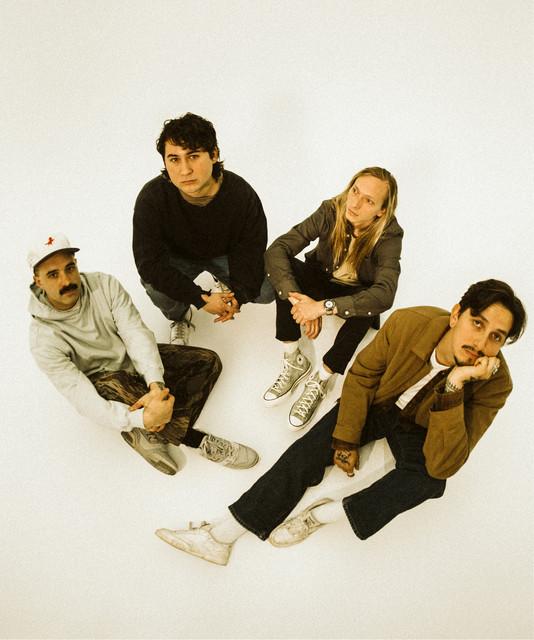
Microwave

Rock
Indie Rock
Psychedelic Rock
Alternative Rock
 Viberate Rank: 38829
 Viberate Rank: 38829
 Monthly ListenersFollowers
 Subscribers
 Followers
 Followers
 FansTop Spotify Songs
| Track | 7-Day Streams | |
|---|---|---|
1 | 70.78K | |
2 | 44.84K | |
3 | 35.17K | |
4 | 32.06K | |
5 | 31.31K |
Top YouTube VideosMonthly ListenersFeatured in Playlists| Playlist | Followers | |
|---|---|---|
1 |  Punk Rock Workout Spotify | 542.10K |
2 |  New Noise Spotify | 475.45K |
3 |  Today's Punk Spotify | 475.04K |
4 |  Anger Management Spotify | 304.89K |
5 |  emo right now Spotify | 87.65K |
Audience| City | Monthly Listeners | |
|---|---|---|
1 | | 9.35K |
2 | | 6.88K |
3 | | 6.62K |
4 | | 6.58K |
5 | | 5.84K |
See full performance history, audience data, playlist activity, rankings, comparisons, and more in Viberate music analytics. Start with a free trial, then continue with a paid plan.
Microwave’s Spotify BioFrom start to finish, Let’s Start Degeneracy marks a liberated new chapter for Microwave, one unbound by realities other than their own. Recorded between Atlanta and Nashville and later mixed by Josh Wilbur (Korn, Bad Religion) and mastered by Brad Blackwood (Maroon 5, Lamb of God), the long-awaited fourth full-length record from Microwave, is a trip. Its title, taken from a conservative politician's take on drugs in 1970, captures the band's newfound liberated spirit, and its tracks play by no one's rules but their own. At various points the Atlanta trio of vocalist/guitarist Nathan Hardy, bassist Tyler Hill, and drummer Timothy “Tito” Pittard pull together a multitude of influences ranging from ambient pop and R&B to psychedelia and yes, even Sublime.
Lyrically, Let's Start Degeneracy is loaded with revelations, some of which came to Hardy after experiences with ayahuasca in Peru with Tito. As the pandemic wound down, the two reconvened with bassist/vocalist Tyler Hill and together,… found their way back to being Microwave again.
“It’s about letting go of attachments and behaviors that aren’t serving you and trying to shake off your programming and not be motivated by fear and guilt and shame,” says Hardy. “It’s about learning to be happy and take care of yourself.”
Viberate is a music analytics platform built for A&Rs, artist managers, labels, booking agents, marketers, and artists.
It helps music professionals track artist growth, analyze audience data, monitor playlist activity, compare artists, follow song performance, and identify opportunities across the music market.
Public artist pages provide a free preview of selected artist data. Paid plans provide access to deeper analytics, historical data, charts, comparisons, playlist tools, exports, alerts, reports, and additional professional features.
Yes. Public Viberate artist pages provide selected artist analytics and music data for free.
Viberate also offers a 7-day free trial of the full platform. A credit card is required to start the trial. The trial includes access to the complete product so users can test deeper artist analytics, historical views, playlist insights, comparisons, charts, exports, alerts, and reporting features before choosing a paid plan.
Viberate provides artist analytics across streaming, playlists, social media, video, radio airplay, songs, and audience markets.
Users can analyze Spotify performance, Spotify and Apple Music playlists, YouTube activity, TikTok and Instagram growth, radio spins, song performance, audience locations, demographics, rankings, and overall artist momentum.
Artist profiles also connect to music charts, similar artists, and comparison tools, helping users benchmark performance and evaluate artists in context.
Viberate updates key artist and track data daily.
For followed artists and tracks, selected data is refreshed multiple times per day. This helps teams monitor playlist changes, streaming movement, audience growth, releases, and campaign performance with more current data.
Update frequency can vary depending on the metric and data source.
Yes. Viberate lets users compare up to five artists side by side across streaming, social media, audience, and engagement metrics.
Users can compare fanbase growth, audience demographics, locations, Spotify performance, social metrics, and other artist data over selected time periods.
Artist comparison can be used for A&R scouting, benchmarking, booking decisions, campaign planning, and evaluating artists with similar audiences or market positions.