Can't Swim

Rock
Alternative Rock
Hardcore Punk
Pop Punk
 Viberate Rank: 111633
 Viberate Rank: 111633
 Monthly ListenersFollowers
 Subscribers
 Followers
 Followers
 FansTop Spotify Songs
| Track | 7-Day Streams | |
|---|---|---|
1 | 16.19K | |
2 | 12.34K | |
3 | 7.63K | |
4 | 7.50K | |
5 | 6.79K |
Top YouTube VideosMonthly ListenersFeatured in Playlists| Playlist | Followers | |
|---|---|---|
1 |  Lofi Pop Punk / Emo / Punk Pure Noise Records | 24.47K |
2 |  LZ RADIO Adam Lizotte-Zeisler | 23.03K |
3 |  LVNDMARK — Stream music ZestyCow | 18.53K |
4 |  Pop Punk Playlist! Pure Noise Records | 17.98K |
5 |  New Pop Punk & Emo Tracks Jesea Lee | 15.55K |
Audience| City | Monthly Listeners | |
|---|---|---|
1 | | 2.47K |
2 | | 1.87K |
3 | | 1.82K |
4 | | 1.71K |
5 | | 1.59K |
See full performance history, audience data, playlist activity, rankings, comparisons, and more in Viberate music analytics. Start with a free trial, then continue with a paid plan.
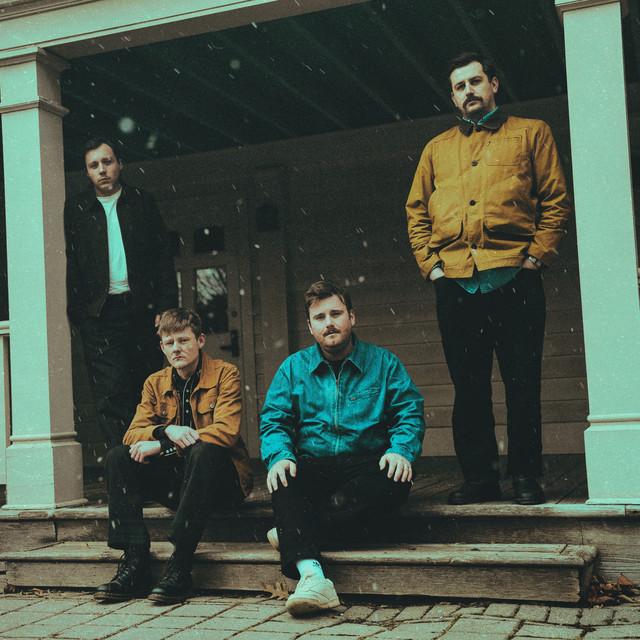
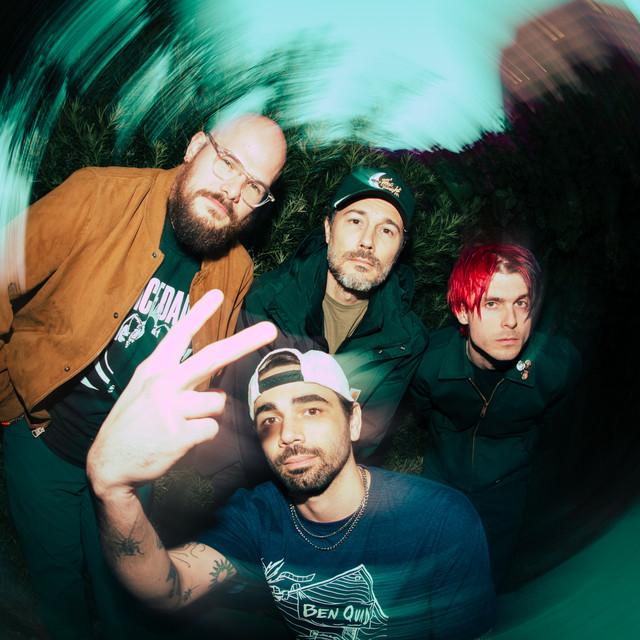
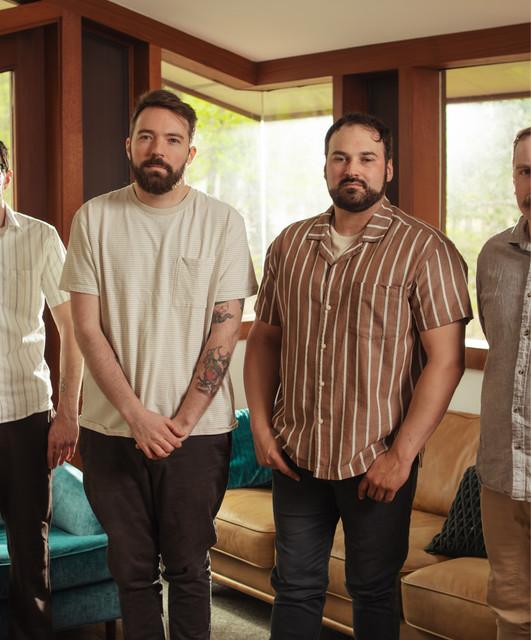
Can't Swim’s Spotify BioHailing from Keansburg, New Jersey, Can't Swim is a dynamic emo-pop band led by singer/songwriter Chris LoPorto. After debuting in 2017, they expanded on their cathartic sound with 2018's This Too Won't Pass and 2021's Change of Plans, both on the Pure Noise label.
LoPorto formed Can't Swim in 2015, moving away from the role of drummer he'd played in countless bands, instead trying out the position of lead vocalist, guitarist, and songwriter in his new project. The group was filled out by friends Danny Rico on drums, bassist Greg McDevitt, and second guitarist Mike Sanchez, breathing life into LoPorto's anthemic emo-pop compositions. Can't Swim worked on recordings before playing live and quickly delivered their debut EP, Death Deserves a Name, in early 2016. Much of the year was spent on tour, and after playing the songs in a live setting, the bandmembers realized their shows needed more guitar to convey the intensity of their recordings. Rico switched to third guitarist and Andrea… Morgan took over as drummer. The band released their first full-length, Fail You Again, in March 2017, followed by a sophomore effort, This Too Won't Pass, in late 2018. Morgan was replaced on drums by Michael Sichel and the group issued an EP, Foreign Language, in October 2019 that featured a guest spot from Taking Back Sunday singer Adam Lazzara.
Heading into the next decade, Can't Swim remained prolific, delivering a pair of 2020 EPs, When the Dust Settles and Someone Who Isn't Me, followed a year later by the full-length Change of Plans, which featured increasingly atmospheric production. ~ Fred Thomas, Rovi
Viberate is a music analytics platform built for A&Rs, artist managers, labels, booking agents, marketers, and artists.
It helps music professionals track artist growth, analyze audience data, monitor playlist activity, compare artists, follow song performance, and identify opportunities across the music market.
Public artist pages provide a free preview of selected artist data. Paid plans provide access to deeper analytics, historical data, charts, comparisons, playlist tools, exports, alerts, reports, and additional professional features.
Yes. Public Viberate artist pages provide selected artist analytics and music data for free.
Viberate also offers a 7-day free trial of the full platform. A credit card is required to start the trial. The trial includes access to the complete product so users can test deeper artist analytics, historical views, playlist insights, comparisons, charts, exports, alerts, and reporting features before choosing a paid plan.
Viberate provides artist analytics across streaming, playlists, social media, video, radio airplay, songs, and audience markets.
Users can analyze Spotify performance, Spotify and Apple Music playlists, YouTube activity, TikTok and Instagram growth, radio spins, song performance, audience locations, demographics, rankings, and overall artist momentum.
Artist profiles also connect to music charts, similar artists, and comparison tools, helping users benchmark performance and evaluate artists in context.
Viberate updates key artist and track data daily.
For followed artists and tracks, selected data is refreshed multiple times per day. This helps teams monitor playlist changes, streaming movement, audience growth, releases, and campaign performance with more current data.
Update frequency can vary depending on the metric and data source.
Yes. Viberate lets users compare up to five artists side by side across streaming, social media, audience, and engagement metrics.
Users can compare fanbase growth, audience demographics, locations, Spotify performance, social metrics, and other artist data over selected time periods.
Artist comparison can be used for A&R scouting, benchmarking, booking decisions, campaign planning, and evaluating artists with similar audiences or market positions.