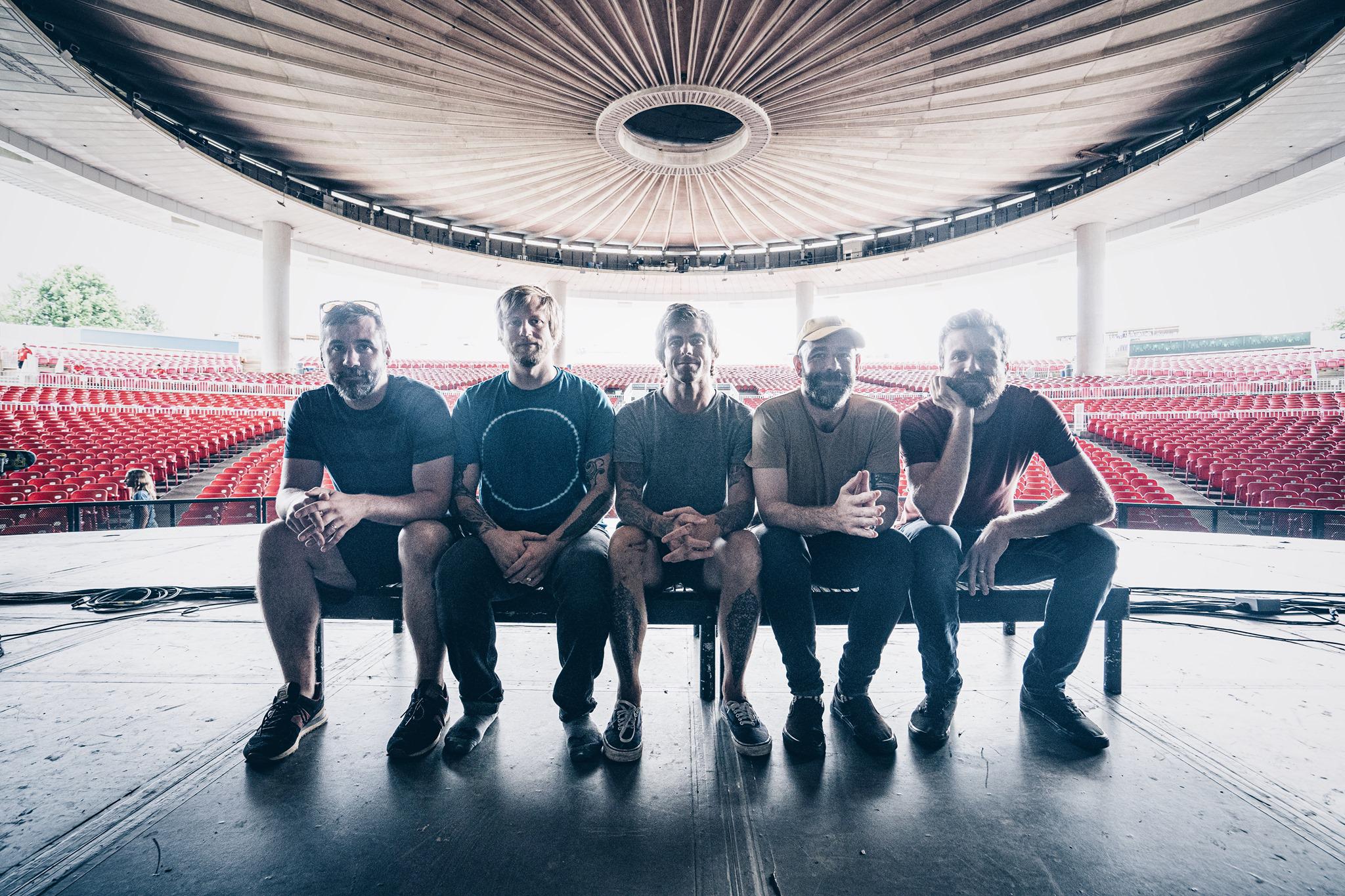
Anthony Green

Rock
Indie Rock
Progressive Metal
 Viberate Rank: 32448
 Viberate Rank: 32448
 Monthly ListenersFollowers
 Subscribers
 Followers
 Followers
 FansTop Spotify Songs
| Track | 7-Day Streams | |
|---|---|---|
1 | 30.89K | |
2 | 14.64K | |
3 | 10.96K | |
4 | 8.12K | |
5 | 6.97K |
Top YouTube Videos| Video | 7-Day Views | |
|---|---|---|
1 | 3.57K | |
2 | 1.42K | |
3 | 663 | |
4 | 283 | |
5 | 257 |
Monthly ListenersFeatured in Playlists| Playlist | Followers | |
|---|---|---|
1 |  Skrillex Skrillex | 92.40K |
2 |  This Is Chino Moreno Spotify | 85.86K |
3 | 2000's Emo & Pop Punk Jorden Z | 53.69K |
4 |  Love, a Cosmic Dance Nick Synodis | 45.47K |
5 |  perfect. Alex | 37.01K |
Audience| City | Monthly Listeners | |
|---|---|---|
1 | | 4.37K |
2 | | 3.29K |
3 | | 2.76K |
4 | | 2.64K |
5 | | 2.49K |
See full performance history, audience data, playlist activity, rankings, comparisons, and more in Viberate music analytics. Start with a free trial, then continue with a paid plan.
Anthony Green’s Spotify BioKnown as the lead singer of Circa Survive, Saosin, L.S. Dunes, Fuckin Whatever — just to name a few projects — Green has always turned to music to find strength, but after his overdose, something changed: “I did not want to live the remainder of my life as an addict. Writing this record was a way to cope."
While most of his music has grappled with the realities of addiction and mental illness, there's something different about the songs on his new solo album, Boom. Done. It was written over the last couple of years, following an overdose where Green's struggle with addiction led to him actually losing his life for up to 8 minutes, and a formal diagnosis of bipolar disorder.
After Green left rehab in 2020, he started writing a song called “I Don’t Want to Die,” a sentiment that captures the raw, sometimes heartbreaking, but also hopeful nature of Boom. Done. It turned out to be a lightning strike to his songwriting and, with the help of longtime friends and bandmates Tim Arnold and Keith… Goodwin of Good Old War, Green wrote one of the most intentional and formidable bodies of work in his expansive career. All across this record, we watch as Green stumbles and grows, moving from isolation “hanging vulnerable in darkness on the ocean floor,” to triumphantly asserting his will to live. Boom. Done. arrives July 22nd via Philadelphia's Born Losers Records.
Viberate is a music analytics platform built for A&Rs, artist managers, labels, booking agents, marketers, and artists.
It helps music professionals track artist growth, analyze audience data, monitor playlist activity, compare artists, follow song performance, and identify opportunities across the music market.
Public artist pages provide a free preview of selected artist data. Paid plans provide access to deeper analytics, historical data, charts, comparisons, playlist tools, exports, alerts, reports, and additional professional features.
Yes. Public Viberate artist pages provide selected artist analytics and music data for free.
Viberate also offers a 7-day free trial of the full platform. A credit card is required to start the trial. The trial includes access to the complete product so users can test deeper artist analytics, historical views, playlist insights, comparisons, charts, exports, alerts, and reporting features before choosing a paid plan.
Viberate provides artist analytics across streaming, playlists, social media, video, radio airplay, songs, and audience markets.
Users can analyze Spotify performance, Spotify and Apple Music playlists, YouTube activity, TikTok and Instagram growth, radio spins, song performance, audience locations, demographics, rankings, and overall artist momentum.
Artist profiles also connect to music charts, similar artists, and comparison tools, helping users benchmark performance and evaluate artists in context.
Viberate updates key artist and track data daily.
For followed artists and tracks, selected data is refreshed multiple times per day. This helps teams monitor playlist changes, streaming movement, audience growth, releases, and campaign performance with more current data.
Update frequency can vary depending on the metric and data source.
Yes. Viberate lets users compare up to five artists side by side across streaming, social media, audience, and engagement metrics.
Users can compare fanbase growth, audience demographics, locations, Spotify performance, social metrics, and other artist data over selected time periods.
Artist comparison can be used for A&R scouting, benchmarking, booking decisions, campaign planning, and evaluating artists with similar audiences or market positions.