Ministry

Metal
Alternative Metal
Industrial Metal
 Viberate Rank: 12686
 Viberate Rank: 12686
 Monthly ListenersFollowers
 Subscribers
 Followers
 Followers
 FansTop Spotify Songs
| Track | 7-Day Streams | |
|---|---|---|
1 | 76.66K | |
2 | 72.30K | |
3 | 63.83K | |
4 | 40.00K | |
5 | 29.82K |
Top YouTube Videos| Video | 7-Day Views | |
|---|---|---|
1 | 22.95K | |
2 | 17.81K | |
3 | 12.33K | |
4 | 9.43K | |
5 | 5.42K |
Monthly ListenersFeatured in Playlists| Playlist | Followers | |
|---|---|---|
1 |  Metal Essentials Spotify | 3.74M |
2 |  Kickass Metal Spotify | 1.66M |
3 |  90s Metal Classics Spotify | 1.47M |
4 |  Heavy Metal Spotify | 1.42M |
5 |  All New Metal Spotify | 812.44K |
Audience| City | Monthly Listeners | |
|---|---|---|
1 | | 15.46K |
2 | | 12.96K |
3 |  | 11.82K |
4 |  | 10.39K |
5 | | 10.10K |
See full performance history, audience data, playlist activity, rankings, comparisons, and more in Viberate music analytics. Start with a free trial, then continue with a paid plan.
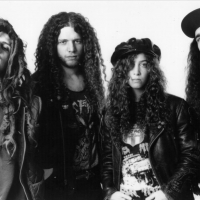
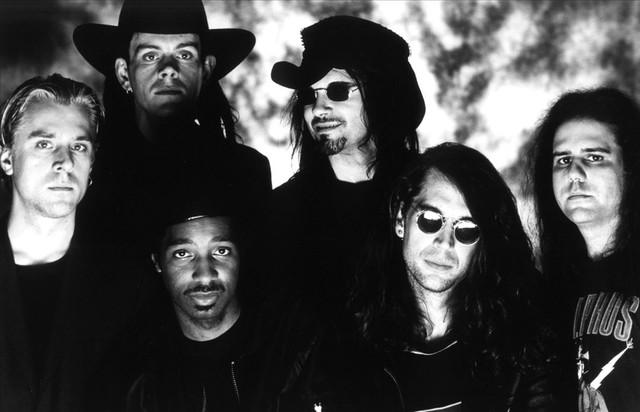
Ministry’s Spotify BioBorn in 1981 in Chicago. In its early days, Ministry was identifiable by its heavy synth-pop material in line with the new sounds and technology that were being developed in the ‘80s. Ministry’s output began with four 12” singles on Wax Trax! Records in 1981 before the first LP With Sympathy in 1983 via Arista Records. As time progressed however, so did Ministry, quickly developing a harsher, and more stylized sound that the band soon became infamous for on seminal Sire/Warner albums Twitch (1986), The Land of Rape and Honey (1988), and The Mind Is A Terrible Thing To Taste (1989). With the release of Psalm 69: The Way to Succeed and The Way to Suck Eggs (1992), Ministry hit an all-time high in the mainstream musical realm and received its first Grammy nomination (the first of six). Eight more albums would follow on various labels including their own 13th Planet imprint. After a break in 2013, the band reformed, toured and signed to Nuclear Blast with three releases. AmeriKKKant… (2018), Moral Hygiene (2021), and HOPIUMFORTHEMASSES (2024). Late 2024, Ministry signed with Cleopatra Records and released The Squirrely Years Revisited. Celebrating the early synth pop years with new studio takes.
Viberate is a music analytics platform built for A&Rs, artist managers, labels, booking agents, marketers, and artists.
It helps music professionals track artist growth, analyze audience data, monitor playlist activity, compare artists, follow song performance, and identify opportunities across the music market.
Public artist pages provide a free preview of selected artist data. Paid plans provide access to deeper analytics, historical data, charts, comparisons, playlist tools, exports, alerts, reports, and additional professional features.
Yes. Public Viberate artist pages provide selected artist analytics and music data for free.
Viberate also offers a 7-day free trial of the full platform. A credit card is required to start the trial. The trial includes access to the complete product so users can test deeper artist analytics, historical views, playlist insights, comparisons, charts, exports, alerts, and reporting features before choosing a paid plan.
Viberate provides artist analytics across streaming, playlists, social media, video, radio airplay, songs, and audience markets.
Users can analyze Spotify performance, Spotify and Apple Music playlists, YouTube activity, TikTok and Instagram growth, radio spins, song performance, audience locations, demographics, rankings, and overall artist momentum.
Artist profiles also connect to music charts, similar artists, and comparison tools, helping users benchmark performance and evaluate artists in context.
Viberate updates key artist and track data daily.
For followed artists and tracks, selected data is refreshed multiple times per day. This helps teams monitor playlist changes, streaming movement, audience growth, releases, and campaign performance with more current data.
Update frequency can vary depending on the metric and data source.
Yes. Viberate lets users compare up to five artists side by side across streaming, social media, audience, and engagement metrics.
Users can compare fanbase growth, audience demographics, locations, Spotify performance, social metrics, and other artist data over selected time periods.
Artist comparison can be used for A&R scouting, benchmarking, booking decisions, campaign planning, and evaluating artists with similar audiences or market positions.