Revolting Cocks

Rock
Alternative Rock
Other Electronic Music
 Viberate Rank: 112265
 Viberate Rank: 112265
 Monthly ListenersFollowers
 Subscribers
 Followers
 Followers
 FansTop Spotify Songs
| Track | 7-Day Streams | |
|---|---|---|
1 | 6.75K | |
2 | 3.21K | |
3 | 3.13K | |
4 | 2.65K | |
5 | 1.69K |
Top YouTube VideosMonthly ListenersFeatured in Playlists| Playlist | Followers | |
|---|---|---|
1 |  Industrial Metal Spotify | 383.81K |
2 |  GOTH ULTIMATE LIST | DARK WAVE/POST-PUNK/GOTHIC ROCK/EBM/SYNTH/DEATH ROCK Annie Dark | 31.59K |
3 | Industrial music for industrial people⚙️ Michael Alexander | 21.36K |
4 |  Halt and Catch Fire Dudu Torres | 16.00K |
5 |  Yorekok yorekokmodeextreme | 13.46K |
Audience| City | Monthly Listeners | |
|---|---|---|
1 | | 1.10K |
2 | | 709 |
3 | | 654 |
4 |  | 609 |
5 | | 553 |
See full performance history, audience data, playlist activity, rankings, comparisons, and more in Viberate music analytics. Start with a free trial, then continue with a paid plan.
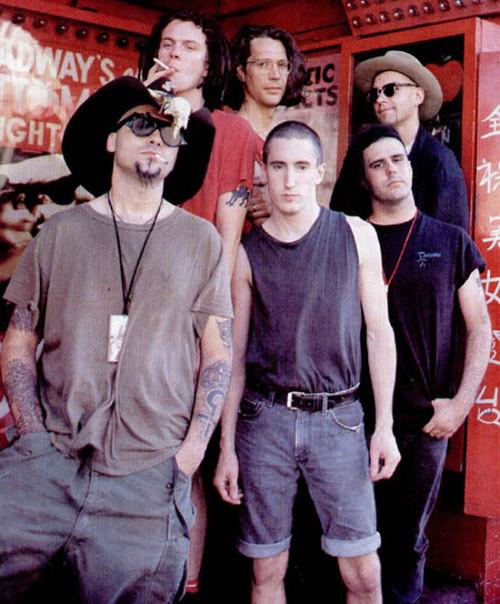
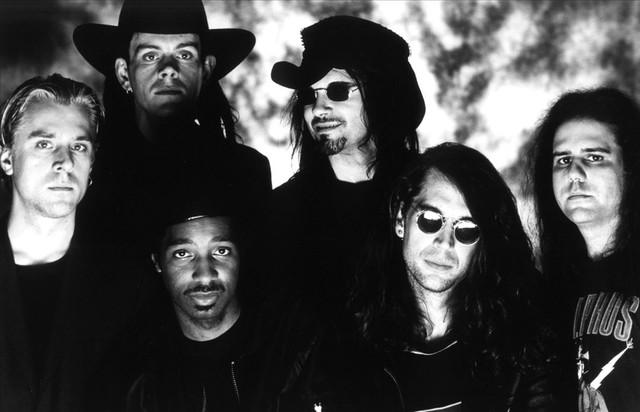
Revolting Cocks’ Spotify BioRumor has it the gents who make up Revolting Cocks came upon the name by their usual debauchery. Ministry frontman Al Jourgensen was out for a hard night of drinking with some friends, so hard that the bartender threw them out, declaring them a bunch of revolting cocks. The name was first applied to one of Jourgensen's many side projects in 1985, when he partnered with Luc Van Acker and Front 242's Richard 23 to bring art and the dancefloor closer together. As recordings progressed, things went in a different direction and the chaotic, snide, and sleazy sounds that were taking over had Richard 23 making an exit over creative differences. He departed in 1986, right as the band's debut, Big Sexy Land, was being released by the seminal industrial label Wax Trax! The album featured the Blade Runner homage and club hit "Attack Ships on Fire," while the artwork introduced "the Three Guys," anonymous faces from an old photograph that would represent the band on album covers for years to come.… Ministry associates Paul Barker, Chris Connelly, and Bill Rieflin would join Van Acker and Jourgensen for a tour supporting the album, recordings of which surfaced in 1988 on the live album and video You Goddamned Son of a Bitch.
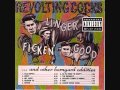
The nihilistic party attitude of the band had now officially taken over any grand artistic aspirations, and if the success of 1989's Stainless Steel Providers didn't prove their audience was right there with them, college radio and clubs being dominated by 1990's "Beers, Steers + Queers" certainly did. Beers, Steers + Queers, the album, followed that same year and included two cover versions of "(Let's Get) Physical," one a simple loop of the word "physical" that goes on for 13 minutes. The band celebrated the album's release by touring the country with the Skatenigs -- whose vocalist, Phil Owen, had contributed to Beers -- and the always-vile Mentors as support. Linger Ficken' Good... from 1993 was a more subdued album, but it was still shocking that the Warner Bros.-associated Sire released the album and helped the band score another club hit with their cover of Rod Stewart's "Da Ya Think I'm Sexy?"
Years passed and it seemed the Revco were officially over until 2004, when the track "Prune Tang" appeared on the Internet, announcing the coming of their next album, Purple Head. The Ryko label reissued the band's first two albums that year with bonus tracks, but the new album failed to appear. A year later, a cover version of Bauhaus' "Dark Entries" with Butthole Surfer Gibby Haynes as vocalist appeared on the Saw II soundtrack. Haynes joined Jello Biafra, Cheap Trick's Rick Nielsen and Robin Zander, Davíd Garza, and ZZ Top's Billy Gibbons, along with veterans Jourgensen and Owen (now known as Phildo Owen) for 2006's Cocked and Loaded. The album appeared on Jourgensen's 13th Planet label and was the first Revco release to not feature "the Three Guys" on the cover. Sex-O Olympic-O would follow in 2008 with Got Cock? arriving in 2010. The latter included a cover version of 2 Live Crew’s “Me So Horny.” ~ David Jeffries
Viberate is a music analytics platform built for A&Rs, artist managers, labels, booking agents, marketers, and artists.
It helps music professionals track artist growth, analyze audience data, monitor playlist activity, compare artists, follow song performance, and identify opportunities across the music market.
Public artist pages provide a free preview of selected artist data. Paid plans provide access to deeper analytics, historical data, charts, comparisons, playlist tools, exports, alerts, reports, and additional professional features.
Yes. Public Viberate artist pages provide selected artist analytics and music data for free.
Viberate also offers a 7-day free trial of the full platform. A credit card is required to start the trial. The trial includes access to the complete product so users can test deeper artist analytics, historical views, playlist insights, comparisons, charts, exports, alerts, and reporting features before choosing a paid plan.
Viberate provides artist analytics across streaming, playlists, social media, video, radio airplay, songs, and audience markets.
Users can analyze Spotify performance, Spotify and Apple Music playlists, YouTube activity, TikTok and Instagram growth, radio spins, song performance, audience locations, demographics, rankings, and overall artist momentum.
Artist profiles also connect to music charts, similar artists, and comparison tools, helping users benchmark performance and evaluate artists in context.
Viberate updates key artist and track data daily.
For followed artists and tracks, selected data is refreshed multiple times per day. This helps teams monitor playlist changes, streaming movement, audience growth, releases, and campaign performance with more current data.
Update frequency can vary depending on the metric and data source.
Yes. Viberate lets users compare up to five artists side by side across streaming, social media, audience, and engagement metrics.
Users can compare fanbase growth, audience demographics, locations, Spotify performance, social metrics, and other artist data over selected time periods.
Artist comparison can be used for A&R scouting, benchmarking, booking decisions, campaign planning, and evaluating artists with similar audiences or market positions.