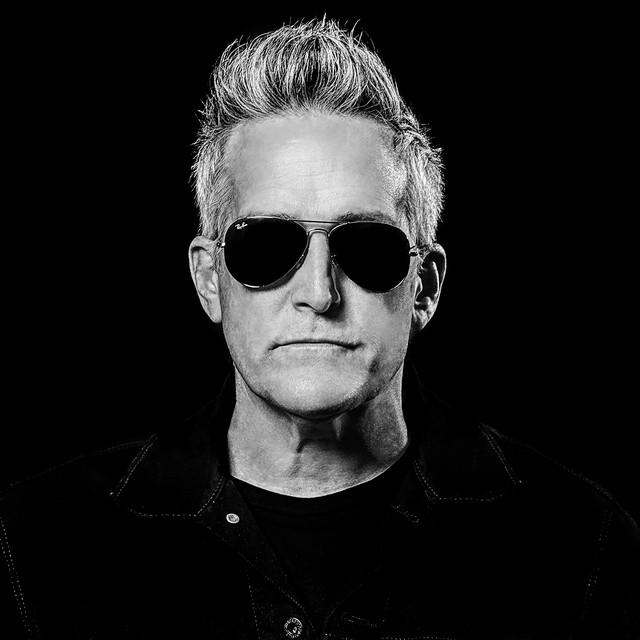
White Zombie

Metal
Alternative Metal
Industrial Metal
Groove Metal
 Viberate Rank: 13240
 Viberate Rank: 13240
 Monthly ListenersFollowers
 Subscribers
 Followers
 Followers
 FansTop Spotify Songs
| Track | 7-Day Streams | |
|---|---|---|
1 | 449.63K | |
2 | 303.22K | |
3 | 77.50K | |
4 | 66.73K | |
5 | 65.53K |
Top YouTube Videos| Video | 7-Day Views | |
|---|---|---|
1 | 121.56K | |
2 | 33.43K | |
3 | 16.90K | |
4 | 7.71K | |
5 | 4.06K |
Monthly ListenersFeatured in Playlists| Playlist | Followers | |
|---|---|---|
1 |  Metal Essentials Spotify | 3.74M |
2 |  90s Metal Classics Spotify | 1.47M |
3 |  Heavy Metal Spotify | 1.42M |
4 |  Yellowstone Official Playlist Spotify | 756.98K |
5 |  Blood, Sweat & Cheers Spotify | 551.18K |
Audience| City | Monthly Listeners | |
|---|---|---|
1 | | 29.66K |
2 | | 24.72K |
3 | | 20.93K |
4 |  | 19.17K |
5 | | 18.48K |
See full performance history, audience data, playlist activity, rankings, comparisons, and more in Viberate music analytics. Start with a free trial, then continue with a paid plan.
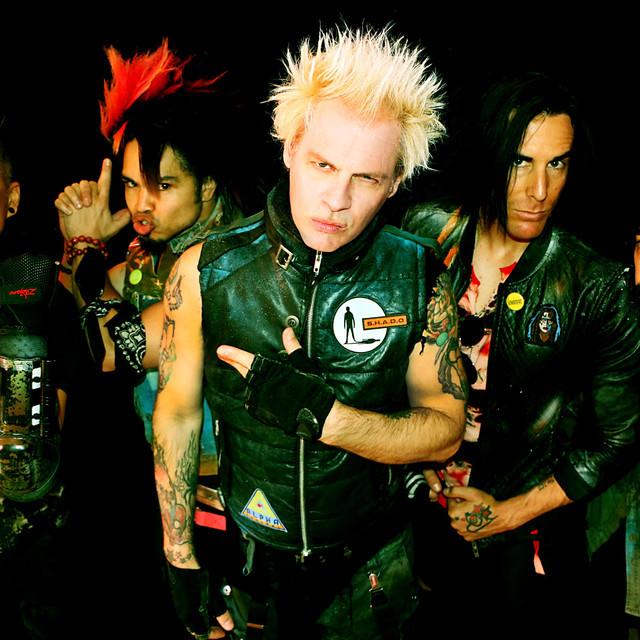
White Zombie’s Spotify BioFor metalheads who thought bands like W.A.S.P. and Mötley Crüe just weren't menacing or heavy enough, White Zombie was the perfect antidote for a period of time during the mid- to late '90s, fusing B-horror movie visuals and subject matter with heavy music and growled vocals. And while White Zombie was originally thought to be a full-fledged band, it would later become known that the group was almost entirely the vision of its larger-than-life singer, Rob Zombie. Hence, the White Zombie story begins with good ol' Rob (who was then known as Rob Cummings), shortly after he relocated from his hometown of Haverhill, Massachusetts to New York City during the early '80s.
Although he had long admired such theatrical metallists as Kiss and Alice Cooper (as well as such punk outfits as the Ramones), Rob wasn't quick to form a group in the Big Apple; instead, he worked as a production assistant on the TV show Pee Wee's Playhouse and did art design for magazines. By 1985, however, Rob opted to… pursue a career in music and united with then-girlfriend/bassist Sean Yseult and formed White Zombie (titled after the 1932 Bela Lugosi flick). First considered a New York Underground band rather than a heavy metal band (as proven by such early admirers as Thurston Moore and Kurt Cobain), the group issued several indie releases -- 1985's Gods of Voodoo Moon, 1986's Pig Heaven and Psycho-Head Blowout, 1987's Soul Crusher, plus 1989's Make Them Die Slowly -- even though guitarists and drummers came and went on a steady basis (a few skinsmen who occupied the slot over the years have included Ivan DePrume and John Tempesta, among others).
White Zombie finally found a permanent guitarist in ex-Rights of the Accused member J. (real name -- Jay Noel Yuenger), whose metallic riffs helped toughen up the band's sound even further -- inching closer to a heavy metal band more than ever before (as evidenced by the first release with J., an EP that featured a cover of Kiss' "God of Thunder"). Around this time White Zombie also began incorporating industrial rock elements into its sound, which made it one of the few hard rock bands of the era that you could also dance to. Sensing that the group was about to rocket straight out of the underground scene, Geffen Records signed White Zombie and issued the band's major-label debut, La Sexorcisto: Devil Music, Vol. 1, in early 1992. Although the world was going gaga over the sound of Seattle rock at the time, hard touring and support of their trashy video for "Thunder Kiss '65" from MTV (via the animated comedy show Beavis and Butthead) made the album a late-blooming success, as it hit the Top 30 a year after its release.
It took the group an extended period to work up a worthy follow-up to La Sexorcisto, which eventually arrived in 1995: Astro-Creep: 2000 -- Songs of Love, Destruction and Other Synthetic Delusions of the Electric Head. Spawning another big rock radio/MTV favorite with "More Human Than Human," Astro-Creep: 2000 became White Zombie's all-time highest charting album, peaking at number six on the U.S. Billboard charts. But the album's success couldn't hide the fact that Rob Zombie was getting fed up with the group and longed to launch a solo career of his own. So after the album's supporting tour wrapped up and a remix album was issued, 1996's Supersexy Swingin' Sounds, White Zombie split up. Subsequently, Rob Zombie has gone on to issue such hit solo albums as 1998's Hellbilly Deluxe, 1999's American Made Music to Strip By, and 2001's The Sinister Urge (and even wrote and directed his own horror movie, House of 1000 Corpses), while Yseult formed the campy surf rock trio Famous Monsters, which released 1998's In the Night!!! and 1999's Around the World in 80 Bikinis.
During the 21st century, Rob Zombie continued to pursue his horror-rock inclinations, but in 2016 Numero Group celebrated the early years of White Zombie with the box set It Came from N.Y.C., which chronicled all of the group's 80s indie records. ~ Greg Prato, Rovi
Viberate is a music analytics platform built for A&Rs, artist managers, labels, booking agents, marketers, and artists.
It helps music professionals track artist growth, analyze audience data, monitor playlist activity, compare artists, follow song performance, and identify opportunities across the music market.
Public artist pages provide a free preview of selected artist data. Paid plans provide access to deeper analytics, historical data, charts, comparisons, playlist tools, exports, alerts, reports, and additional professional features.
Yes. Public Viberate artist pages provide selected artist analytics and music data for free.
Viberate also offers a 7-day free trial of the full platform. A credit card is required to start the trial. The trial includes access to the complete product so users can test deeper artist analytics, historical views, playlist insights, comparisons, charts, exports, alerts, and reporting features before choosing a paid plan.
Viberate provides artist analytics across streaming, playlists, social media, video, radio airplay, songs, and audience markets.
Users can analyze Spotify performance, Spotify and Apple Music playlists, YouTube activity, TikTok and Instagram growth, radio spins, song performance, audience locations, demographics, rankings, and overall artist momentum.
Artist profiles also connect to music charts, similar artists, and comparison tools, helping users benchmark performance and evaluate artists in context.
Viberate updates key artist and track data daily.
For followed artists and tracks, selected data is refreshed multiple times per day. This helps teams monitor playlist changes, streaming movement, audience growth, releases, and campaign performance with more current data.
Update frequency can vary depending on the metric and data source.
Yes. Viberate lets users compare up to five artists side by side across streaming, social media, audience, and engagement metrics.
Users can compare fanbase growth, audience demographics, locations, Spotify performance, social metrics, and other artist data over selected time periods.
Artist comparison can be used for A&R scouting, benchmarking, booking decisions, campaign planning, and evaluating artists with similar audiences or market positions.