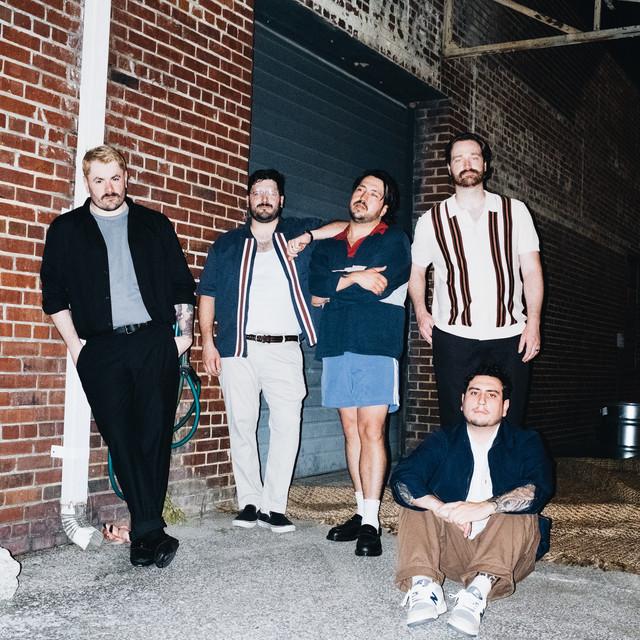
saturdays at your place

Rock
Math Rock
Indie Rock
 Viberate Rank: 56492
 Viberate Rank: 56492
 Monthly ListenersFollowers
 Subscribers
 Followers
 Followers
 FansTop Spotify Songs
| Track | 7-Day Streams | |
|---|---|---|
1 | 76.48K | |
2 | 60.46K | |
3 | 36.97K | |
4 | 33.52K | |
5 | 33.07K |
Top YouTube Videos| Video | 7-Day Views | |
|---|---|---|
1 | 2.26K | |
2 | 1.06K | |
3 | 922 | |
4 | 316 | |
5 | 310 |
Monthly ListenersFeatured in Playlists| Playlist | Followers | |
|---|---|---|
1 |  midwest emo essentials midwest.merky | 138.66K |
2 |  emo right now Spotify | 87.68K |
3 |  midwest emo bangers leigha | 80.44K |
4 |  failure loser core Stinky | 34.66K |
5 |  THE midwest emo playlist Hank😼 | 27.76K |
Audience| City | Monthly Listeners | |
|---|---|---|
1 | | 7.52K |
2 | | 5.29K |
3 | | 5.21K |
4 | | 4.84K |
5 | | 4.18K |
See full performance history, audience data, playlist activity, rankings, comparisons, and more in Viberate music analytics. Start with a free trial, then continue with a paid plan.
saturdays at your place’s Spotify BioThere’s something kinda magical about naming your band saturdays at your place. Right off the bat, it calls to mind images of collapsing onto a friend’s couch at the end of a long week, and the kind of nights that turn into stories you’ll tell for years to come. For the band from Kalamazoo, Michigan, it’s more than just a name; it’s what’s held them together through college and the strange process of becoming an adult. Whether unpacking tour burnout or the shame of outgrowing your past, they’re constantly rejecting irony in favor of something much bolder: sincerity.
On their upcoming second full-length, these things happen, saturdays at your place take everything that made their early material resonate—twinkly guitars, heart-on-sleeve songwriting, a distinctly Midwestern ache—and stretch it into something even more resonant. It’s a record about growing up without growing cold, and it’s also a testament to where they’re from, both literally and musically; proof that a band with strong… hometown roots can still shake the ground.
Viberate is a music analytics platform built for A&Rs, artist managers, labels, booking agents, marketers, and artists.
It helps music professionals track artist growth, analyze audience data, monitor playlist activity, compare artists, follow song performance, and identify opportunities across the music market.
Public artist pages provide a free preview of selected artist data. Paid plans provide access to deeper analytics, historical data, charts, comparisons, playlist tools, exports, alerts, reports, and additional professional features.
Yes. Public Viberate artist pages provide selected artist analytics and music data for free.
Viberate also offers a 7-day free trial of the full platform. A credit card is required to start the trial. The trial includes access to the complete product so users can test deeper artist analytics, historical views, playlist insights, comparisons, charts, exports, alerts, and reporting features before choosing a paid plan.
Viberate provides artist analytics across streaming, playlists, social media, video, radio airplay, songs, and audience markets.
Users can analyze Spotify performance, Spotify and Apple Music playlists, YouTube activity, TikTok and Instagram growth, radio spins, song performance, audience locations, demographics, rankings, and overall artist momentum.
Artist profiles also connect to music charts, similar artists, and comparison tools, helping users benchmark performance and evaluate artists in context.
Viberate updates key artist and track data daily.
For followed artists and tracks, selected data is refreshed multiple times per day. This helps teams monitor playlist changes, streaming movement, audience growth, releases, and campaign performance with more current data.
Update frequency can vary depending on the metric and data source.
Yes. Viberate lets users compare up to five artists side by side across streaming, social media, audience, and engagement metrics.
Users can compare fanbase growth, audience demographics, locations, Spotify performance, social metrics, and other artist data over selected time periods.
Artist comparison can be used for A&R scouting, benchmarking, booking decisions, campaign planning, and evaluating artists with similar audiences or market positions.