Frankie Vaughan

Pop
Mainstream Pop
Smooth Jazz
 Viberate Rank: 151896
 Viberate Rank: 151896
 Monthly ListenersFollowers
 Subscribers
 Followers
 Followers
 FansTop Spotify Songs
| Track | 7-Day Streams | |
|---|---|---|
1 | 1.45K | |
2 | 1.45K | |
3 | 1.45K | |
4 | 1.45K | |
5 | 932 |
Top YouTube VideosMonthly ListenersFeatured in Playlists| Playlist | Followers | |
|---|---|---|
1 |  Every Official UK Number 1 Ever Official Charts | 33.96K |
2 |  Velvet Atresmúsica | 33.43K |
3 |  Essential Classics Essential Classics | 31.39K |
4 |  Burt Bacharach - 50 Greatest Songs Nathan | 19.45K |
5 |  NOW 100 Hits Forgotten 60s NOW That’s What I Call Music! | 18.55K |
Audience| City | Monthly Listeners | |
|---|---|---|
1 | | 542 |
2 |  | 270 |
3 | | 262 |
4 | | 230 |
5 | | 148 |
See full performance history, audience data, playlist activity, rankings, comparisons, and more in Viberate music analytics. Start with a free trial, then continue with a paid plan.
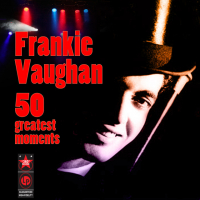
Frankie Vaughan’s Spotify BioFrankie Vaughan was born Frank Abelson on the 3rd of February 1928 in Liverpool. The son of Jewish immigrants, he took the stage name Vaughan from his grandmother whose Russian accent pronouncing the endearment "my little one" sounded like Vaughan. As a child, he was a member of the National Association of Boys' Clubs which he continued to patronise later in life, donating money throughout his life. At the age of 14 he won a scholarship to the Lancaster College of Art and began singing with a dance band although he originally thought of becoming a boxer, indeed much of his army life during World War II was spent boxing in the Royal Army Medical Corps.
After the war, he returned to the Leeds College of Art where he won a prize to design a furniture exhibition stand. Travelling down to London, he entered a radio talent show which was the start of his long career in entertainment. Beginning in theatres in variety song and dance acts, always dressing immaculately in a top hat, tails and… carrying a cane, the ultimate image of a gentleman, he sang for a while with the Nat Temple Band before signing a solo contract with Philips Records. His first few hits were all covers of American hits, "Istanbul", "Happy Days and Lonely Nights", "Tweedledee" and "Seventeen", all of which reached the top 20, and the song that became his trademark, "Give Me the Moonlight", always sung with the broadest of grins and high kicking at the end of each line was not a sales hit, but he would have to wait until the end of 1956 for his first really big hits when his version of "Green Door" hit no.2 and the follow up "The Garden Of Eden" in January 1957 became his first no.1. 1957 was a good year for Vaughan with several more hits, "Man On Fire", "Wanderin Eyes", "Kisses Sweeter Than Wine" and a collaboration with The Kaye Sisters, "Gotta Have Something in the Bank Frank".
He was one of the traditional singers not affected by the coming of Rock n Roll and continued to enjoy hit singles throughout the remainder of the 1950s, culminating in a second chart topper, Tower Of Strength in 1961. His first chart album was the live recording of Frankie Vaughan At The London Palladium in 1959 and although during the 1960s he concentrated on other projects than show-business, he continued to enjoy hit records, including There Must Be A Way, a top 10 hit in 1967 during the summer of love. Those other projects included becoming involved with delinquent youths in Easterhouse, a housing estate on the outskirts of Glasgow. He was awarded the OBE in 1965 and continued performing, mainly in theatre work until 1985 when after appearing at a Drury Lane production of 42nd Street, before suffering a near fatal bout of peritonitis. Never totally retiring, he was awarded a CBE in 1996 but three years later, underwent major heart surgery and died several months later on the 17th September 1999. ~ Sharon Mawer, Rovi
Viberate is a music analytics platform built for A&Rs, artist managers, labels, booking agents, marketers, and artists.
It helps music professionals track artist growth, analyze audience data, monitor playlist activity, compare artists, follow song performance, and identify opportunities across the music market.
Public artist pages provide a free preview of selected artist data. Paid plans provide access to deeper analytics, historical data, charts, comparisons, playlist tools, exports, alerts, reports, and additional professional features.
Yes. Public Viberate artist pages provide selected artist analytics and music data for free.
Viberate also offers a 7-day free trial of the full platform. A credit card is required to start the trial. The trial includes access to the complete product so users can test deeper artist analytics, historical views, playlist insights, comparisons, charts, exports, alerts, and reporting features before choosing a paid plan.
Viberate provides artist analytics across streaming, playlists, social media, video, radio airplay, songs, and audience markets.
Users can analyze Spotify performance, Spotify and Apple Music playlists, YouTube activity, TikTok and Instagram growth, radio spins, song performance, audience locations, demographics, rankings, and overall artist momentum.
Artist profiles also connect to music charts, similar artists, and comparison tools, helping users benchmark performance and evaluate artists in context.
Viberate updates key artist and track data daily.
For followed artists and tracks, selected data is refreshed multiple times per day. This helps teams monitor playlist changes, streaming movement, audience growth, releases, and campaign performance with more current data.
Update frequency can vary depending on the metric and data source.
Yes. Viberate lets users compare up to five artists side by side across streaming, social media, audience, and engagement metrics.
Users can compare fanbase growth, audience demographics, locations, Spotify performance, social metrics, and other artist data over selected time periods.
Artist comparison can be used for A&R scouting, benchmarking, booking decisions, campaign planning, and evaluating artists with similar audiences or market positions.