Malcolm Vaughan

Pop
Indie Pop
Smooth Jazz
 Viberate Rank: 162424
 Viberate Rank: 162424
 Monthly ListenersFollowers
 Subscribers
 Followers
 Followers
 FansTop Spotify Songs
| Track | 7-Day Streams | |
|---|---|---|
1 | 20.80K | |
2 | 11.71K | |
3 | 2.49K | |
4 | 1.91K | |
5 | 1.71K |
Top YouTube VideosMonthly ListenersFeatured in Playlists| Playlist | Followers | |
|---|---|---|
1 |  Soft 50s Spotify | 546.20K |
2 |  Easy 50s Spotify | 179.42K |
3 |  Essential Classics Essential Classics | 31.39K |
4 |  50s love songs that make me <3 julia mckenna | 8.18K |
5 |  Romantic Italian Dinner sarah.joebeara | 4.31K |
Audience| City | Monthly Listeners | |
|---|---|---|
1 |  | 1.09K |
2 | | 980 |
3 | | 762 |
4 | | 726 |
5 |  | 687 |
See full performance history, audience data, playlist activity, rankings, comparisons, and more in Viberate music analytics. Start with a free trial, then continue with a paid plan.
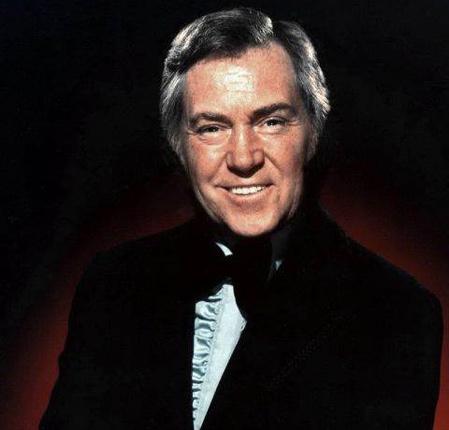
Malcolm Vaughan’s Spotify Biob. Abercynon, Mid Glamorgan, Wales. A popular ballad singer with a strong tenor voice, Vaughan first made an impression in the early 50s as the "singing straight man" in a double act with comedian Kenny Earle. They were touring the UK variety circuit when Vaughan was spotted by EMI Records' recording manager Wally Ridley. In 1955, Vaughan had his first Top 10 hit on the HMV label with "Every Day Of My Life", which stayed in the chart for four months. Several other hits followed through to 1959, including "With Your Love", "St. Therese Of The Roses", "The World Is Mine", "Chapel Of The Roses", "My Special Angel", "To Be Loved", "More Than Ever (Come Prima)" and "Wait For Me". His UK television appearances included Sunday Night At The London Palladium, Startime, Saturday Spectacular, Music Shop, Melody Dances and The Jack Jackson Show. After surviving the initial onslaught of rock 'n' roll, Vaughan's recording career suffered, along with so many others of his style, in the face of the… 60s beat boom. In the early part of the decade he still retained an association with Earle, although with variety on the wane, clubs and cabaret were the main showplaces. In 1990, Malcolm Vaughan: The EMI Years provided a reminder that he was still a popular nightclub attraction in the north of England.
Viberate is a music analytics platform built for A&Rs, artist managers, labels, booking agents, marketers, and artists.
It helps music professionals track artist growth, analyze audience data, monitor playlist activity, compare artists, follow song performance, and identify opportunities across the music market.
Public artist pages provide a free preview of selected artist data. Paid plans provide access to deeper analytics, historical data, charts, comparisons, playlist tools, exports, alerts, reports, and additional professional features.
Yes. Public Viberate artist pages provide selected artist analytics and music data for free.
Viberate also offers a 7-day free trial of the full platform. A credit card is required to start the trial. The trial includes access to the complete product so users can test deeper artist analytics, historical views, playlist insights, comparisons, charts, exports, alerts, and reporting features before choosing a paid plan.
Viberate provides artist analytics across streaming, playlists, social media, video, radio airplay, songs, and audience markets.
Users can analyze Spotify performance, Spotify and Apple Music playlists, YouTube activity, TikTok and Instagram growth, radio spins, song performance, audience locations, demographics, rankings, and overall artist momentum.
Artist profiles also connect to music charts, similar artists, and comparison tools, helping users benchmark performance and evaluate artists in context.
Viberate updates key artist and track data daily.
For followed artists and tracks, selected data is refreshed multiple times per day. This helps teams monitor playlist changes, streaming movement, audience growth, releases, and campaign performance with more current data.
Update frequency can vary depending on the metric and data source.
Yes. Viberate lets users compare up to five artists side by side across streaming, social media, audience, and engagement metrics.
Users can compare fanbase growth, audience demographics, locations, Spotify performance, social metrics, and other artist data over selected time periods.
Artist comparison can be used for A&R scouting, benchmarking, booking decisions, campaign planning, and evaluating artists with similar audiences or market positions.