MFSB

R&B
Funk
Soul
Contemporary R&B
 Viberate Rank: 46532
 Viberate Rank: 46532
 Monthly ListenersFollowers
 Subscribers
 Followers
 Followers
 FansTop Spotify Songs
| Track | 7-Day Streams | |
|---|---|---|
1 | 53.70K | |
2 | 10.64K | |
3 | 9.16K | |
4 | 8.01K | |
5 | 4.98K |
Top YouTube VideosMonthly ListenersFeatured in Playlists| Playlist | Followers | |
|---|---|---|
1 |  Soulful Disco Spotify | 552.93K |
2 |  GTA San Andreas Radio Low Fidelity | 252.54K |
3 |  Philly Soul Spotify | 180.71K |
4 |  70s R&B/Soul - The Golden Era Raul Gabriel - Music | 159.85K |
5 | While You Work (@whileyouwork) Eli Feghali | 81.75K |
Audience| City | Monthly Listeners | |
|---|---|---|
1 |  | 5.70K |
2 |  | 3.69K |
3 | | 3.09K |
4 |  | 2.58K |
5 | | 2.20K |
See full performance history, audience data, playlist activity, rankings, comparisons, and more in Viberate music analytics. Start with a free trial, then continue with a paid plan.
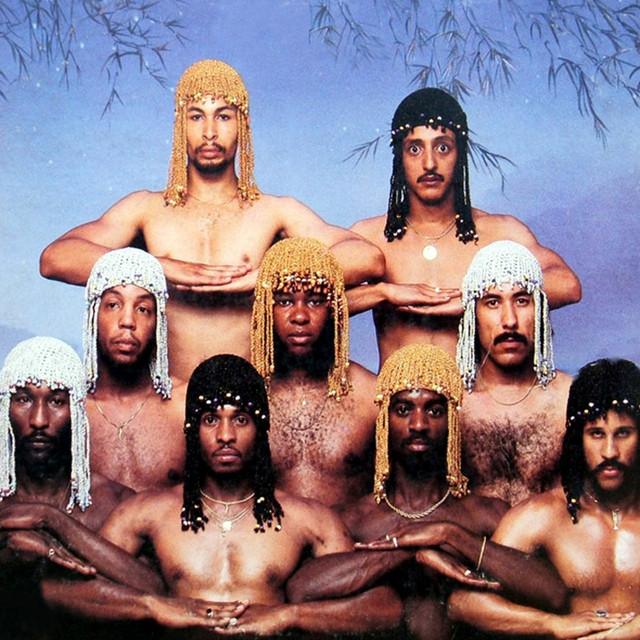
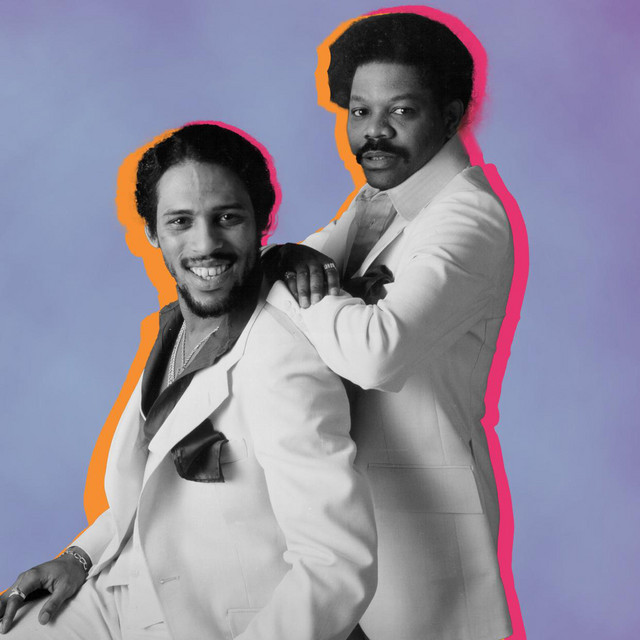
MFSB’s Spotify BioBest known for recording the hit theme to Soul Train, MFSB were the pre-eminent instrumental outfit of Philadelphia soul, backing numerous Kenny Gamble/Leon Huff productions while recording regularly on their own throughout the '70s. The group's name stood for Mother Father Sister Brother, and prior to their formation in 1971 as the house band at Gamble and Huff's Sigma Sound studios, some of the core personnel had been working together as early as 1968. Guitarists Norman Harris and Bobby Eli, bassist Ronnie Baker, and drummer Earl Young had an uncredited dance hit with "The Horse," the instrumental flip side of singer Cliff Nobles' "Love Is All Right." As the Horse dance craze swept Philadelphia, the group also backed singers the Fantastic Johnny C and (as the James Boys) Jesse James, while also issuing singles as the Music Makers and Family.
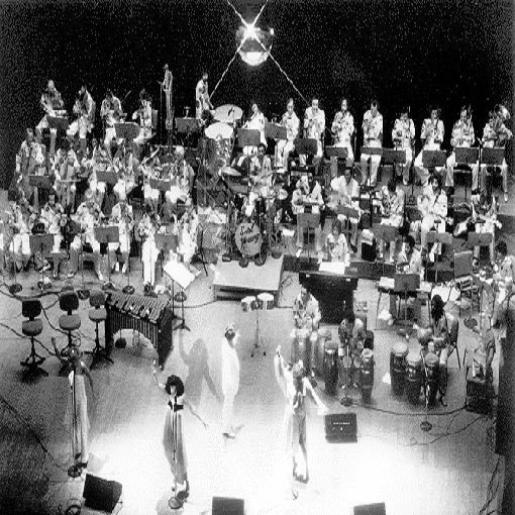
With the rise of the lush, orchestrated Philly soul sound at the dawn of the '70s, business was booming at Gamble and Huff's Philadelphia… International, and there was plenty of session work to be had. Harris, Eli, Baker, and Young formed an important part of the label's regular studio group; other prominent musicians included guitarists Roland Chambers and James Herb Smith, bassist Larry Moore, drummers/percussionists Karl Chambers, Miguel Fuentes, Quinton Joseph, and Larry Washington, saxophonist Zach Zachary, organist/keyboardist Lenny Pakula, and vibraphonist Vince Montana, plus a rotating cast of strings, horns, and other personnel that depended on availability and were often directed by Don Renaldo. MFSB provided backing on a bevy of Philadelphia International hits, most prominently for the O'Jays and Harold Melvin & the Blue Notes, as well as other Philly soulsters like the Stylistics and the Spinners. They began cutting their own sessions in 1973, releasing a self-titled debut full of extended, sometimes jazzy soul grooves.
Later in 1973, TV host Don Cornelius approached Gamble about writing an original theme for his newly nationally syndicated dance show Soul Train. Gamble convened MFSB in the studio with arranger Bobby Martin and supporting vocal group the Three Degrees, and the theme song that grew out of the session proved hugely popular when it debuted on the show. Gamble pushed Cornelius to release it as a single, and when it finally appeared in early 1974 under the title "T.S.O.P." ("The Sound of Philadelphia"), it rocketed to the top of both the pop and R&B charts; it also won a Grammy for Best R&B Instrumental. The accompanying MFSB album, Love Is the Message, was a gold-selling Top Ten hit (and a number one R&B album); moreover, the title track became an underground hit on the New York disco scene several years later. The group's next album, 1975's Universal Love, produced another R&B hit in "T.L.C. (Tender Lovin' Care)," and moved MFSB further into the emerging disco movement with tracks like "Sexy" and "Let's Go Disco."
MFSB recorded five more albums for Philadelphia International over the remainder of the '70s, becoming a full-fledged disco group when they began working heavily with arranger/producer Dexter Wansel in 1978. The previous year, they contributed a cover of the Nite-Liters' "K-Jee" to the mammoth-selling Saturday Night Fever soundtrack, but the late '70s brought mostly diminished commercial returns. The title track of MFSB's final album, 1980's Mysteries of the World, was a hit in the U.K., but with the heyday of both Philly soul and disco slipping away, the group disbanded in 1981. ~ Steve Huey, Rovi
Viberate is a music analytics platform built for A&Rs, artist managers, labels, booking agents, marketers, and artists.
It helps music professionals track artist growth, analyze audience data, monitor playlist activity, compare artists, follow song performance, and identify opportunities across the music market.
Public artist pages provide a free preview of selected artist data. Paid plans provide access to deeper analytics, historical data, charts, comparisons, playlist tools, exports, alerts, reports, and additional professional features.
Yes. Public Viberate artist pages provide selected artist analytics and music data for free.
Viberate also offers a 7-day free trial of the full platform. A credit card is required to start the trial. The trial includes access to the complete product so users can test deeper artist analytics, historical views, playlist insights, comparisons, charts, exports, alerts, and reporting features before choosing a paid plan.
Viberate provides artist analytics across streaming, playlists, social media, video, radio airplay, songs, and audience markets.
Users can analyze Spotify performance, Spotify and Apple Music playlists, YouTube activity, TikTok and Instagram growth, radio spins, song performance, audience locations, demographics, rankings, and overall artist momentum.
Artist profiles also connect to music charts, similar artists, and comparison tools, helping users benchmark performance and evaluate artists in context.
Viberate updates key artist and track data daily.
For followed artists and tracks, selected data is refreshed multiple times per day. This helps teams monitor playlist changes, streaming movement, audience growth, releases, and campaign performance with more current data.
Update frequency can vary depending on the metric and data source.
Yes. Viberate lets users compare up to five artists side by side across streaming, social media, audience, and engagement metrics.
Users can compare fanbase growth, audience demographics, locations, Spotify performance, social metrics, and other artist data over selected time periods.
Artist comparison can be used for A&R scouting, benchmarking, booking decisions, campaign planning, and evaluating artists with similar audiences or market positions.