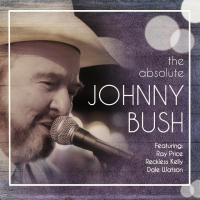
Johnny Bush

Country
Contemporary Country
Americana/Alt Country
 Viberate Rank: 180137
 Viberate Rank: 180137
 Monthly ListenersFollowers
 Subscribers
 Followers
 Followers
 FansTop Spotify Songs
| Track | 7-Day Streams | |
|---|---|---|
1 | 4.79K | |
2 | 1.63K | |
3 | 933 | |
4 | 726 | |
5 | 650 |
Top YouTube VideosMonthly ListenersFeatured in Playlists| Playlist | Followers | |
|---|---|---|
1 | Classic Country Carter Santos | 28.55K |
2 |  Steel Guitar Country Roberto Trevizan | 8.49K |
3 |  Red Dirt Country Whiskey Riff | 7.74K |
4 | Goin' Down South oldrow | 6.88K |
5 |  Fiddle Country Music Roberto Trevizan | 4.58K |
Audience| City | Monthly Listeners | |
|---|---|---|
1 | | 1.47K |
2 | | 1.11K |
3 | | 983 |
4 | | 948 |
5 | | 681 |
See full performance history, audience data, playlist activity, rankings, comparisons, and more in Viberate music analytics. Start with a free trial, then continue with a paid plan.
Johnny Bush’s Spotify BioSinger/songwriter/drummer Johnny Bush, born John Bush Shinn III in Houston, began his country career as a vocalist and guitar player in 1952 at the Texas Star Inn in San Antonio. Eventually he switched to drums and in the early '60s began working in Willie Nelson's band, the Record Men. A year later, he joined Ray Price's Cherokee Cowboys. During his three years with the band, Bush tried to cut a record deal, but the labels felt he sounded too much like Price to be marketable. Nelson stepped in and paid for Bush to cut his first album, Sound of a Heartache. After strong local response, he first hit the charts in 1967 with the minor hit "You Oughta Hear Me Cry." The next year he had three hits, including the Top Ten "Undo the Right."
In 1972, Bush had a Top 20 hit with "I'll Be There," which led to a deal with RCA and a Top Ten hit with his song "Whiskey River," which later became Willie Nelson's signature song. Just as Bush reached the brink of stardom, he started to lose his vocal… range. Doctors were not able to diagnose the reason until 1978, when they found he had a rare neurological disorder, spastic dysphonia. This did not prevent his recording, but his career soon took a downturn. Working with "voice builder" Gary Catona in 1985, Bush was able to bring back about 70 percent of his original voice. The following year he and Darrell McCall teamed up to record the successful honky tonk album Hot Texas Country. He then assembled a large country band and began performing around San Antonio.
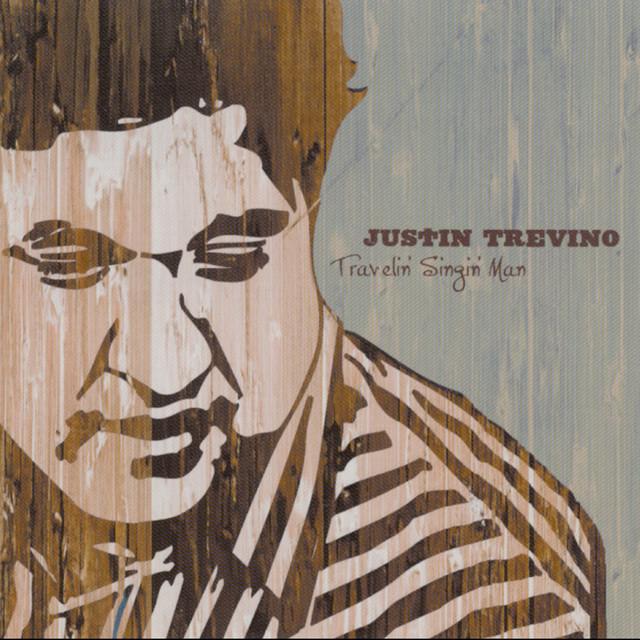
In 1994, he and the band released Time Changes Everything and launched a major tour; the 1998 follow-up, Talk to My Heart, was regarded as one of his finest recordings in many years. Bush continued a prolific release schedule into and during the new millennium, on occasion even releasing two albums in a single year. His recordings during this period included Lost Highway Saloon and Sings Bob Wills (both 2000), Green Snakes (2001), Honkytonic (2004), Texas State of Mind and Devil's Disciple (both 2006), and Texas on a Saturday Night (co-billed to Justin Trevino) and Kashmere Gardens Mud: A Tribute to Houston's Country Soul (both 2007). ~ Sandra Brennan, Rovi
Viberate is a music analytics platform built for A&Rs, artist managers, labels, booking agents, marketers, and artists.
It helps music professionals track artist growth, analyze audience data, monitor playlist activity, compare artists, follow song performance, and identify opportunities across the music market.
Public artist pages provide a free preview of selected artist data. Paid plans provide access to deeper analytics, historical data, charts, comparisons, playlist tools, exports, alerts, reports, and additional professional features.
Yes. Public Viberate artist pages provide selected artist analytics and music data for free.
Viberate also offers a 7-day free trial of the full platform. A credit card is required to start the trial. The trial includes access to the complete product so users can test deeper artist analytics, historical views, playlist insights, comparisons, charts, exports, alerts, and reporting features before choosing a paid plan.
Viberate provides artist analytics across streaming, playlists, social media, video, radio airplay, songs, and audience markets.
Users can analyze Spotify performance, Spotify and Apple Music playlists, YouTube activity, TikTok and Instagram growth, radio spins, song performance, audience locations, demographics, rankings, and overall artist momentum.
Artist profiles also connect to music charts, similar artists, and comparison tools, helping users benchmark performance and evaluate artists in context.
Viberate updates key artist and track data daily.
For followed artists and tracks, selected data is refreshed multiple times per day. This helps teams monitor playlist changes, streaming movement, audience growth, releases, and campaign performance with more current data.
Update frequency can vary depending on the metric and data source.
Yes. Viberate lets users compare up to five artists side by side across streaming, social media, audience, and engagement metrics.
Users can compare fanbase growth, audience demographics, locations, Spotify performance, social metrics, and other artist data over selected time periods.
Artist comparison can be used for A&R scouting, benchmarking, booking decisions, campaign planning, and evaluating artists with similar audiences or market positions.