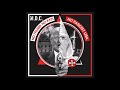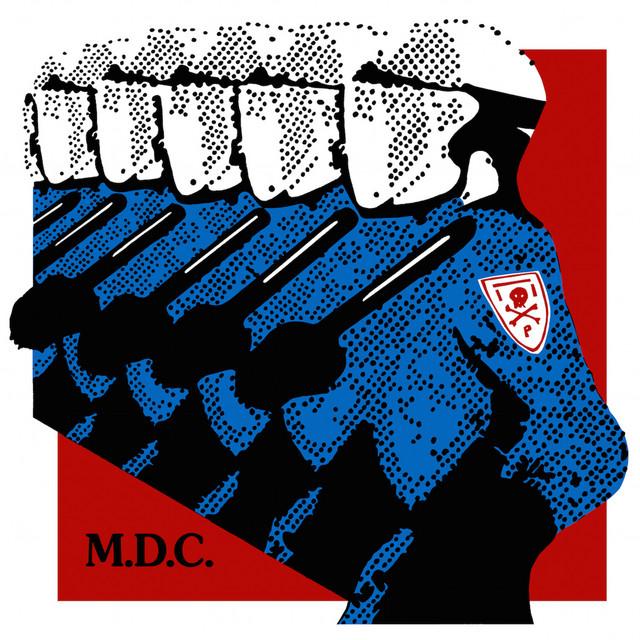
MDC

Punk
Hardcore Punk
 Viberate Rank: 92986
 Viberate Rank: 92986
 Monthly ListenersFollowers
 Subscribers
 Followers
 Followers
 FansTop Spotify SongsTop YouTube VideosMonthly ListenersFeatured in Playlists
| Playlist | Followers | |
|---|---|---|
1 | GTA V Songs Leroy Witkamp | 54.39K |
2 |  Classic Punk 70's & 80's Diego Salazar | 31.81K |
3 |  Channel X (GTAV) Rockstar Games | 26.09K |
4 |  80's Hardcore Punk Antonio Leal Filho | 20.65K |
5 |  i detect a little communism! emski | 20.00K |
Audience| City | Monthly Listeners | |
|---|---|---|
1 | | 1.07K |
2 | | 584 |
3 | | 440 |
4 | | 435 |
5 | | 391 |
See full performance history, audience data, playlist activity, rankings, comparisons, and more in Viberate music analytics. Start with a free trial, then continue with a paid plan.
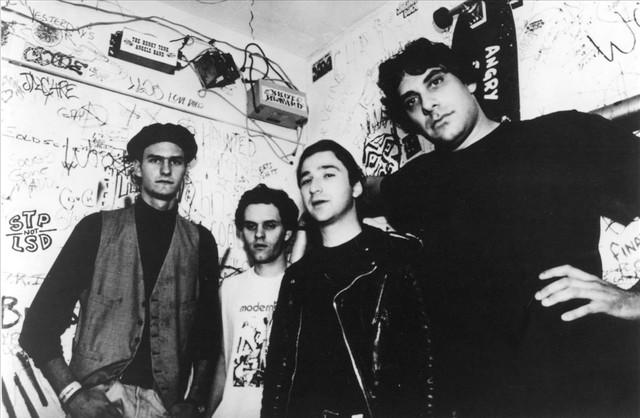
MDC’s Spotify BioBased in San Francisco during the '80s, MDC trumped the Dead Kennedys by performing politically charged hardcore punk that was arguably more extreme than what got the Kennedys into trouble. Alternately known as Multi-Death Corporation, Millions of Dead Cops, or Millions of Damn Christians, the group formed in Texas in 1980 but moved to the West Coast by the time of their first release, a 1981 7" titled "John Wayne Was a Nazi." After their album debut, 1982's Millions of Dead Cops, the band released a 1983 EP but then was silent for several years.
MDC returned in 1986 with their second album, Smoke Signals, a musically mature record which didn't leaven the political content one bit. MDC aimed their sights at religion for 1987's This Blood's for You -- recorded as Millions of Damn Christians -- and began to expand their sound on the album, using acoustic guitar and definite attempts at melody. After releasing some rare and unreleased material on More Dead Cops, MDC returned to their… hardcore roots on 1989's Metal Devil Cokes. Issued the same year, Elvis: In the Rheinland consists of a 1988 show recorded in Berlin. ~ John Bush, Rovi
Viberate is a music analytics platform built for A&Rs, artist managers, labels, booking agents, marketers, and artists.
It helps music professionals track artist growth, analyze audience data, monitor playlist activity, compare artists, follow song performance, and identify opportunities across the music market.
Public artist pages provide a free preview of selected artist data. Paid plans provide access to deeper analytics, historical data, charts, comparisons, playlist tools, exports, alerts, reports, and additional professional features.
Yes. Public Viberate artist pages provide selected artist analytics and music data for free.
Viberate also offers a 7-day free trial of the full platform. A credit card is required to start the trial. The trial includes access to the complete product so users can test deeper artist analytics, historical views, playlist insights, comparisons, charts, exports, alerts, and reporting features before choosing a paid plan.
Viberate provides artist analytics across streaming, playlists, social media, video, radio airplay, songs, and audience markets.
Users can analyze Spotify performance, Spotify and Apple Music playlists, YouTube activity, TikTok and Instagram growth, radio spins, song performance, audience locations, demographics, rankings, and overall artist momentum.
Artist profiles also connect to music charts, similar artists, and comparison tools, helping users benchmark performance and evaluate artists in context.
Viberate updates key artist and track data daily.
For followed artists and tracks, selected data is refreshed multiple times per day. This helps teams monitor playlist changes, streaming movement, audience growth, releases, and campaign performance with more current data.
Update frequency can vary depending on the metric and data source.
Yes. Viberate lets users compare up to five artists side by side across streaming, social media, audience, and engagement metrics.
Users can compare fanbase growth, audience demographics, locations, Spotify performance, social metrics, and other artist data over selected time periods.
Artist comparison can be used for A&R scouting, benchmarking, booking decisions, campaign planning, and evaluating artists with similar audiences or market positions.