D.I.

Punk
Skate Punk
Hardcore Punk
 Viberate Rank: 55495
 Viberate Rank: 55495
 Monthly ListenersFollowers
 Subscribers
 Followers
 Followers
 FansTop Spotify Songs
| Track | 7-Day Streams | |
|---|---|---|
1 | 5.97K | |
2 | 5.41K | |
3 | 3.24K | |
4 | 1.84K | |
5 | 1.82K |
Top YouTube Videos| Video | 7-Day Views | |
|---|---|---|
1 | 45.59K | |
2 | 12.95K | |
3 | 11.53K | |
4 | 2.23K | |
5 | 792 |
Monthly ListenersFeatured in Playlists| Playlist | Followers | |
|---|---|---|
1 |  80's Hardcore Punk Antonio Leal Filho | 20.65K |
2 |  The Evolution of Punk (In Chronological Order) kingfirley | 16.18K |
3 |  ACTUAL PUNK for punk rockers Cam | 15.37K |
4 |  80's PUNK ROCK kristian | 14.71K |
5 |  Punk Goes Everything Nick Jones | 14.44K |
Audience| City | Monthly Listeners | |
|---|---|---|
1 | | 1.64K |
2 | | 549 |
3 | | 491 |
4 | | 475 |
5 | | 472 |
See full performance history, audience data, playlist activity, rankings, comparisons, and more in Viberate music analytics. Start with a free trial, then continue with a paid plan.
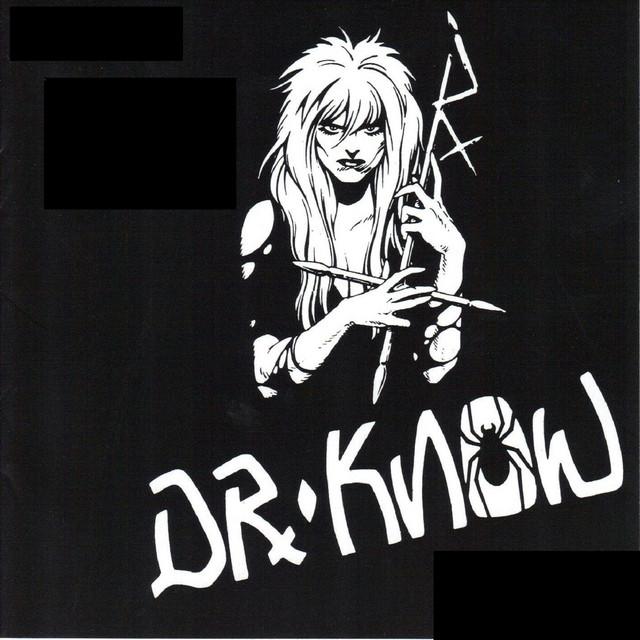
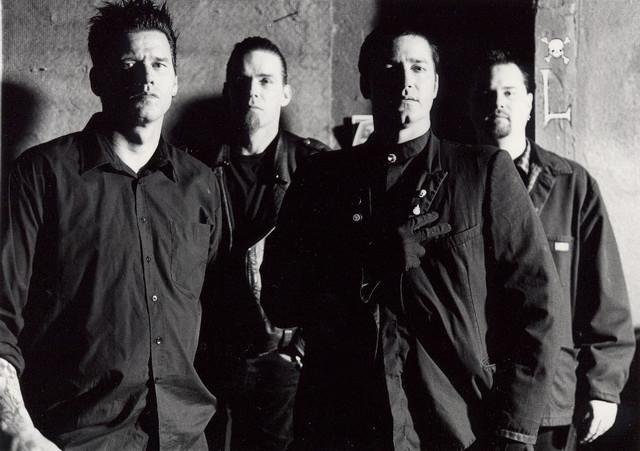
D.I.’s Spotify BioAn enduring presence on the Orange County punk rock scene, D.I. are the brainchild of singer and lyricist Casey Royer, the sole constant throughout the band's four-decade career. Devoted to speedy tempos, simple melodies that reveal touches of surf and pop, pointed lyrics that deal in dark humor as often as not, and plenty of buzzy guitar chording, D.I. were at once one of the archetypal O.C. bands while developing an individual sound and style that stood the test of time. 1986's Horse Bites Dog Cries was their initial breakthrough album and established the template for their approach, 1994's State of Shock captured them in strong form after a five-year studio layoff, and 2021's Greatest Hits A-Z was devoted to new recordings of highlights from their back catalog, with the tracks sequenced in alphabetical order.
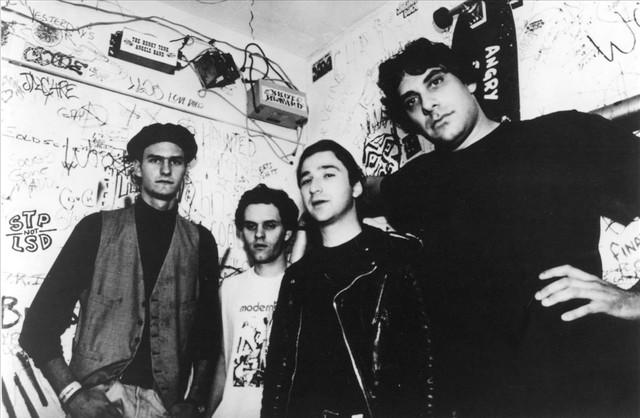
Born in 1958, Casey Royer cut his teeth in punk rock playing drums with the earliest incarnation of Social Distortion, and in 1980 he joined the Fullerton, California hardcore… band the Adolescents, whose self-titled 1980 debut album was one of the defining documents of Orange County punk. In 1981, the Adolescents broke up, and Royer soon formed D.I.; he sang lead with Tim Maag on guitar, Fredric Taccone on bass guitar, and Derek O'Brien on drums. (The name was initially said to stand for "Drug Ideology," though Royer would later say it's not intended to have any specific meaning.) This edition of the group made some early recordings, but their debut EP, D.I. (later retitled Team Goon), released in 1983, also featured their second lineup, with Maag replaced by Steve Roberts and O'Brien replaced by former Adolescents guitarist Rikk Agnew.
In 1984, the group expanded to a sextet, with Royer on vocals; Tim Maag, Rikk Agnew, and Alfie Agnew on guitars; Wade Watson on bass; and Derek O'Brien on drums. When 1985 rolled around, D.I. was a five-piece, with Royer and the Agnew brothers joined by bassist John "Bosco" Calabro and drummer John Knight. This version of D.I. would bring out their first full-length effort, 1985's Ancient Artifacts, and record Horse Bites Dog Cries the same year, though the album wouldn't appear until 1986. The year the record finally came out, John Knight was out of D.I., and drummer Steve DRT came on board. In 1987, the Adolescents reunited and Rikk and Alfie Agnew left to join the re-formed group; John "Bosco" Calabro moved from bass to guitar, and two new players signed on, guitarist Mark "The Kid" Cerneka and bassist Hedge. This edition of D.I. was documented on the 1988 album What Good Is Grief to a God?, their first release for the California indie label Triple X, which was regarded as a disappointment by fans and critics. The following year, they put out Tragedy Again; for those sessions, Mark "The Kid" Cerneka was out and Sean Elliott was in on guitar.
D.I. put their focus on live work for the next few years, and their next album was a concert recording, 1993's Live at a Dive, with Alfie Agnew back in the group after John "Bosco" Calabro moved on, and Dan Colburn taking over for departed bassist Hedge. In 1994, they gave their fans another studio album, State of Shock, which also introduced a seriously revamped version of the act; Royer was the only holdover, and he was joined by guitarist Michael Calabro, original bassist Fredric Taccone, and Horse Bites Dog Cries-era drummer John Knight. State of Shock was their first album for Doctor Dream Records, but when the band began work on their next album in 1997, Doctor Dream, who were nearing the end of their run, opted not to give the project the go-ahead, and the group would stay out of the studio for the next several years. The next D.I. release was 2002's Caseyology, which was dominated by new recordings of old material; the credits were unclear about who besides Royer appeared on the album.
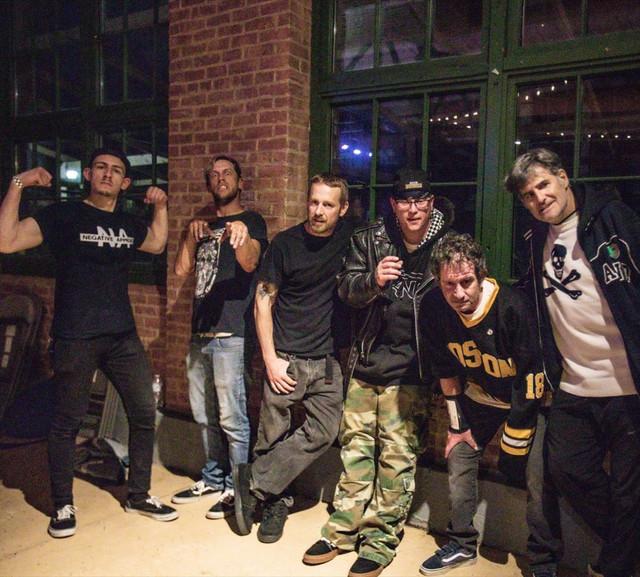
A large number of personnel changes took place before a new album appeared from D.I., and when On The Western Front was released in 2007 (after recording began in 2004), Royer was accompanied by guitarists Clinton Calton and Chckn, bassist Eddie Tater, and drummer Joey Tater. In 2011, the group was briefly derailed when Royer was arrested after overdosing on heroin at his home in front of his 12-year-old son. He was convicted of being under the influence of a controlled substance and sentenced to 90 days in jail and three years' probation; the incident prompted Royer to pursue a healthier lifestyle, and he was clean and sober once D.I. began touring again. Royer's new stability was reflected in the group's membership; when they finally returned to recording with 2012's United We Slam, the lineup was the same as for On The Western Front, except for the departure of guitarist Chckn. D.I. stayed stable until 2018, when they became a quintet again after Trevor Lucca joined the group. In 2021, they issued Greatest Hits A-Z, which featured new recordings of the band's best-known songs as well as a cover of the Adolescents' "Amoeba." By this time, Trevor Lucca had moved on, but Clinton Calton, Eddie Tater, and Joey Tater were still on board, making them D.I.'s longest-lasting participants outside of Royer. ~ Mark Deming, Rovi
Viberate is a music analytics platform built for A&Rs, artist managers, labels, booking agents, marketers, and artists.
It helps music professionals track artist growth, analyze audience data, monitor playlist activity, compare artists, follow song performance, and identify opportunities across the music market.
Public artist pages provide a free preview of selected artist data. Paid plans provide access to deeper analytics, historical data, charts, comparisons, playlist tools, exports, alerts, reports, and additional professional features.
Yes. Public Viberate artist pages provide selected artist analytics and music data for free.
Viberate also offers a 7-day free trial of the full platform. A credit card is required to start the trial. The trial includes access to the complete product so users can test deeper artist analytics, historical views, playlist insights, comparisons, charts, exports, alerts, and reporting features before choosing a paid plan.
Viberate provides artist analytics across streaming, playlists, social media, video, radio airplay, songs, and audience markets.
Users can analyze Spotify performance, Spotify and Apple Music playlists, YouTube activity, TikTok and Instagram growth, radio spins, song performance, audience locations, demographics, rankings, and overall artist momentum.
Artist profiles also connect to music charts, similar artists, and comparison tools, helping users benchmark performance and evaluate artists in context.
Viberate updates key artist and track data daily.
For followed artists and tracks, selected data is refreshed multiple times per day. This helps teams monitor playlist changes, streaming movement, audience growth, releases, and campaign performance with more current data.
Update frequency can vary depending on the metric and data source.
Yes. Viberate lets users compare up to five artists side by side across streaming, social media, audience, and engagement metrics.
Users can compare fanbase growth, audience demographics, locations, Spotify performance, social metrics, and other artist data over selected time periods.
Artist comparison can be used for A&R scouting, benchmarking, booking decisions, campaign planning, and evaluating artists with similar audiences or market positions.