Lonnie Mack

Blues
Blues Rock
Contemporary Blues
 Viberate Rank: 101676
 Viberate Rank: 101676
 Monthly ListenersFollowers
 Subscribers
 Followers
 Followers
 FansTop Spotify Songs
| Track | 7-Day Streams | |
|---|---|---|
1 | 20.63K | |
2 | 8.39K | |
3 | 5.87K | |
4 | 5.87K | |
5 | 5.87K |
Top YouTube Videos| Video | 7-Day Views | |
|---|---|---|
1 | 1.17K |
Monthly ListenersFeatured in Playlists| Playlist | Followers | |
|---|---|---|
1 | Classic Rock Greatest Hits Scott Pruden | 341.38K |
2 |  Blues Live & Loud Spotify | 208.43K |
3 |  Greatest Blues Jared Kerkhof | 56.16K |
4 |  Boerderij van Dorst BNNVARA | 47.46K |
5 |  Blues Instrumental Joar Fosså | 45.46K |
Audience| City | Monthly Listeners | |
|---|---|---|
1 |  | 1.27K |
2 | | 1.17K |
3 |  | 1.01K |
4 | | 965 |
5 | | 891 |
See full performance history, audience data, playlist activity, rankings, comparisons, and more in Viberate music analytics. Start with a free trial, then continue with a paid plan.
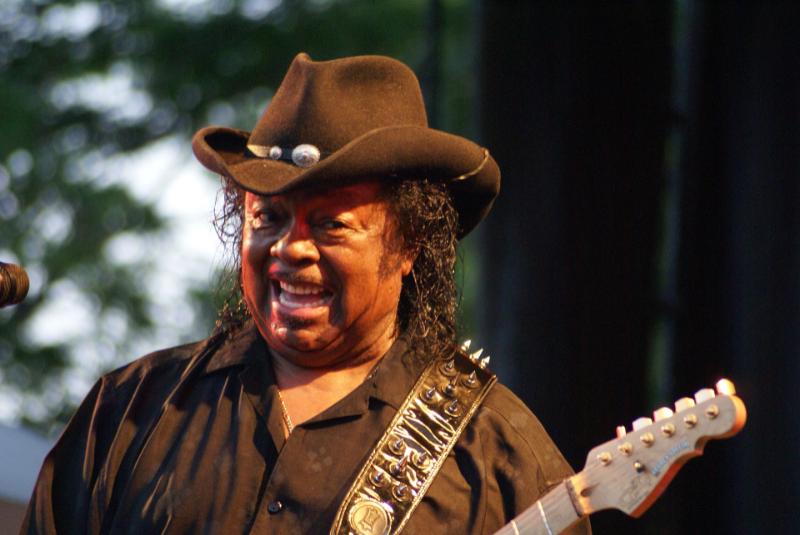
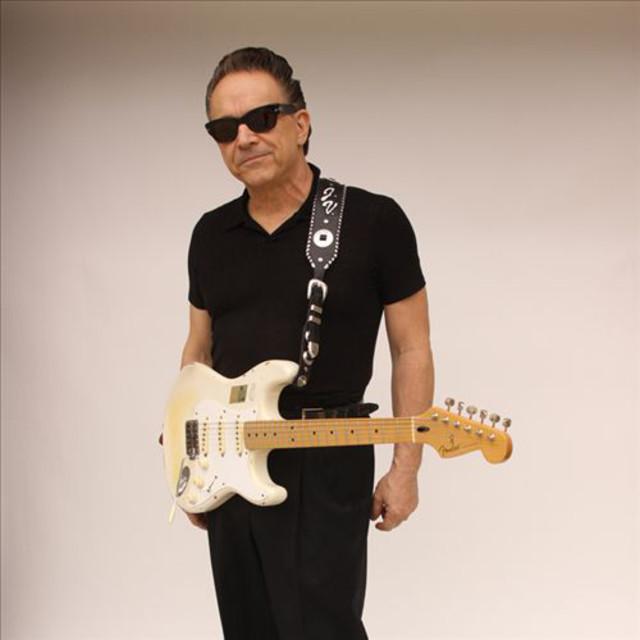
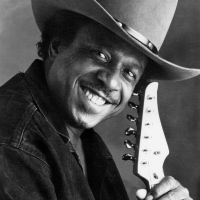
Lonnie Mack’s Spotify BioWhen Lonnie Mack sang the blues, country strains were sure to infiltrate. Conversely, if he dug into a humping rockabilly groove, strong signs of a deep-down blues influence were bound to invade, par for the course for any musician who cited both Bobby Bland and George Jones as pervasive influences. Fact is, Mack's lightning-fast, vibrato-enriched, whammy bar-hammered guitar style influenced many a picker, too, including Stevie Ray Vaughan, who idolized Mack's early singles for Fraternity and later co-produced and played on Mack's 1985 comeback LP for Alligator, Strike Like Lightning.
Growing up in rural Indiana not far from Cincinnati, Lonnie McIntosh was exposed to a heady combination of R&B and hillbilly. In 1958, he bought the seventh Gibson Flying V guitar ever manufactured and played the roadhouse circuit around Indiana, Ohio, and Kentucky. Mack steadfastly cited another local legend, guitarist Robert Ward, as the man whose watery-sounding Magnatone amplifier inspired his own use… of the same brand.
Session work ensued during the early '60s behind Hank Ballard, Freddy King, and James Brown for Cincy's principal label, Syd Nathan's King Records. At the end of a 1963 date for another local label, Fraternity Records, Mack stepped out front to cut a searing instrumental treatment of Chuck Berry's "Memphis." Fraternity put the number out, and it leaped all the way up to the Top Five on Billboard's pop charts.
Its hit follow-up, the frantic "Wham!," was even more amazing from a guitar-playing perspective, with Mack's lickety-split whammy-bar-fired playing driven like a locomotive by a hard-charging horn section. Mack's vocal skills were equally potent; R&B stations began to play his soul ballad "Where There's a Will" until they discovered Mack was Caucasian, then dropped it like a hot potato. Its flip, a sizzling vocal remake of Jimmy Reed's "Baby, What's Wrong," was a minor pop hit in late 1963.
Mack waxed a load of killer material for Fraternity during the mid-'60s, much of it not seeing the light of day until later on. A deal with Elektra Records inspired by a 1968 Rolling Stone article profiling Mack should have led to major stardom, but his three Elektra albums were less consistent than the Fraternity material. (Elektra also reissued his only Fraternity LP, the seminal The Wham of That Memphis Man.) Mack cameoed on the Doors' Morrison Hotel album, contributing a guitar solo to "Roadhouse Blues," and worked for a while as a member of Elektra's A&R team.
Disgusted with the record business, Mack retreated back to Indiana for a while, eventually signing with Capitol and waxing a couple of obscure, country-based LPs. Finally, at Vaughan's behest, Mack abandoned his Indiana comfort zone for hipper Austin, Texas, and began to reassert himself nationally. Vaughan masterminded the stunning Strike Like Lightning in 1985; later that year, Mack co-starred with Alligator labelmates Albert Collins and Roy Buchanan at Carnegie Hall (a concert marketed on home video as Further on Down the Road).
Mack's Alligator encore, Second Sight, was a disappointment for those who idolized Mack's playing -- it was more of a singer/songwriter project. He temporarily left Alligator in 1988 for major-label prestige at Epic, but Roadhouses and Dancehalls was too diverse to easily classify and went nowhere. Mack's 1990 album, Live! Attack of the Killer V, was captured on tape at a suburban Chicago venue called FitzGerald's and once again showed why Lonnie Mack was venerated by anyone even remotely into savage guitar playing. Lonnie Mack died in Nashville in April 2016 at the age of 74. ~ Bill Dahl, Rovi
Viberate is a music analytics platform built for A&Rs, artist managers, labels, booking agents, marketers, and artists.
It helps music professionals track artist growth, analyze audience data, monitor playlist activity, compare artists, follow song performance, and identify opportunities across the music market.
Public artist pages provide a free preview of selected artist data. Paid plans provide access to deeper analytics, historical data, charts, comparisons, playlist tools, exports, alerts, reports, and additional professional features.
Yes. Public Viberate artist pages provide selected artist analytics and music data for free.
Viberate also offers a 7-day free trial of the full platform. A credit card is required to start the trial. The trial includes access to the complete product so users can test deeper artist analytics, historical views, playlist insights, comparisons, charts, exports, alerts, and reporting features before choosing a paid plan.
Viberate provides artist analytics across streaming, playlists, social media, video, radio airplay, songs, and audience markets.
Users can analyze Spotify performance, Spotify and Apple Music playlists, YouTube activity, TikTok and Instagram growth, radio spins, song performance, audience locations, demographics, rankings, and overall artist momentum.
Artist profiles also connect to music charts, similar artists, and comparison tools, helping users benchmark performance and evaluate artists in context.
Viberate updates key artist and track data daily.
For followed artists and tracks, selected data is refreshed multiple times per day. This helps teams monitor playlist changes, streaming movement, audience growth, releases, and campaign performance with more current data.
Update frequency can vary depending on the metric and data source.
Yes. Viberate lets users compare up to five artists side by side across streaming, social media, audience, and engagement metrics.
Users can compare fanbase growth, audience demographics, locations, Spotify performance, social metrics, and other artist data over selected time periods.
Artist comparison can be used for A&R scouting, benchmarking, booking decisions, campaign planning, and evaluating artists with similar audiences or market positions.