Dump

Rock
Indie Rock
 Viberate Rank: 437778
 Viberate Rank: 437778
 Monthly ListenersFollowers
 Subscribers
 Followers
 Followers
 FansTop Spotify Songs
| Track | 7-Day Streams | |
|---|---|---|
1 | 133 | |
2 | 117 | |
3 | 46 | |
4 | 41 | |
5 | 37 |
Top YouTube VideosMonthly ListenersFeatured in Playlists| Playlist | Followers | |
|---|---|---|
1 |  Duyster (all tracks ever played) Wike | 8.15K |
2 |  Atmospheric Black Metal Alberto PB | 5.34K |
3 | Yo La Tengo's Covered Yo La Tengo | 5.08K |
4 | nova tunes 1 jars_ki | 5.01K |
5 |  90s Alternative Rock & Indie: Hits & Deep Cuts Carefully Curated. | 3.61K |
Audience| City | Monthly Listeners | |
|---|---|---|
1 | | 22 |
2 | | 15 |
3 | | 15 |
4 | | 11 |
5 | | 9 |
See full performance history, audience data, playlist activity, rankings, comparisons, and more in Viberate music analytics. Start with a free trial, then continue with a paid plan.
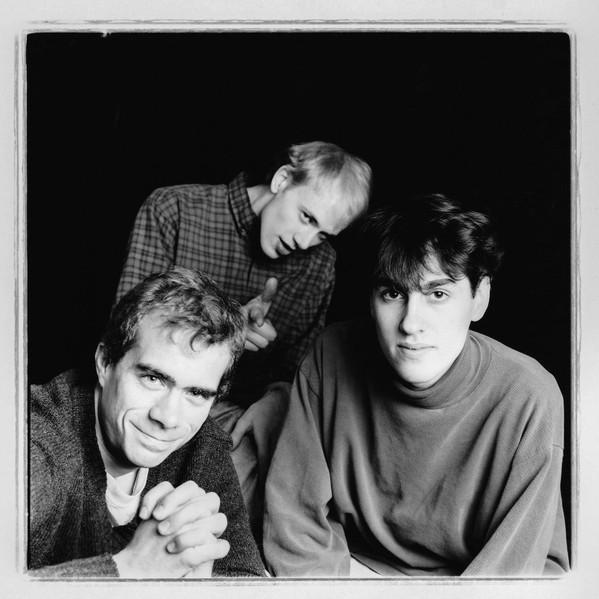
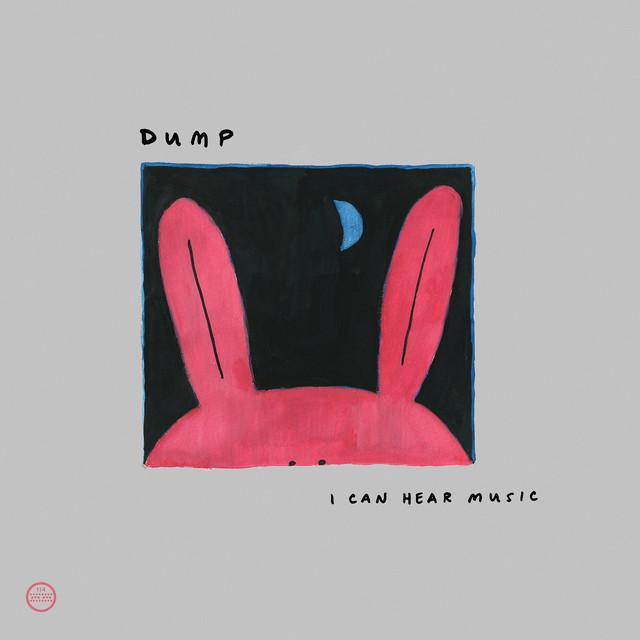
Dump’s Spotify BioDump was the four-track solo project of James McNew, better known as the bassist of Yo La Tengo. Raised in Charlottesville, Virginia, McNew made his first home recordings at the age of 13; after attending college, he came to prominence as the bass player for Christmas, joining the group in late 1989. When they disbanded two years later, members Michael Cudahy and Liz Cox went on to form Combustible Edison, leaving McNew to join Yo La Tengo to record the 1992 effort May I Sing with Me. Although Dump came into being in January 1991, McNew did not issue any material under the name for over two years, debuting with Superpowerless, a charmingly lo-fi collection spotlighting his gentle vocals and proficiency on guitar, bass, drums, and organ. An EP of covers followed in 1995, prior to the release of the excellent 10" International Airport; the full-length I Can Hear Music rounded out the year's flurry of releases. After returning his focus to Yo La Tengo, McNew resurrected Dump in 1998 with… the full-length A Plea for Tenderness; both the Women in Rock EP as well as the cassette-only Prince tribute That Skinny Motherfucker with the High Voice? followed a year later. After a five-year break, McNew returned with his most accomplished-sounding record yet, 2003's Grown-Ass Man on Shrimper. Apart from a split single with Jennifer O'Connor in 2008, McNew bided his time in Yo La Tengo, forsaking his solo project entirely. ~ Jason Ankeny, Rovi
Viberate is a music analytics platform built for A&Rs, artist managers, labels, booking agents, marketers, and artists.
It helps music professionals track artist growth, analyze audience data, monitor playlist activity, compare artists, follow song performance, and identify opportunities across the music market.
Public artist pages provide a free preview of selected artist data. Paid plans provide access to deeper analytics, historical data, charts, comparisons, playlist tools, exports, alerts, reports, and additional professional features.
Yes. Public Viberate artist pages provide selected artist analytics and music data for free.
Viberate also offers a 7-day free trial of the full platform. A credit card is required to start the trial. The trial includes access to the complete product so users can test deeper artist analytics, historical views, playlist insights, comparisons, charts, exports, alerts, and reporting features before choosing a paid plan.
Viberate provides artist analytics across streaming, playlists, social media, video, radio airplay, songs, and audience markets.
Users can analyze Spotify performance, Spotify and Apple Music playlists, YouTube activity, TikTok and Instagram growth, radio spins, song performance, audience locations, demographics, rankings, and overall artist momentum.
Artist profiles also connect to music charts, similar artists, and comparison tools, helping users benchmark performance and evaluate artists in context.
Viberate updates key artist and track data daily.
For followed artists and tracks, selected data is refreshed multiple times per day. This helps teams monitor playlist changes, streaming movement, audience growth, releases, and campaign performance with more current data.
Update frequency can vary depending on the metric and data source.
Yes. Viberate lets users compare up to five artists side by side across streaming, social media, audience, and engagement metrics.
Users can compare fanbase growth, audience demographics, locations, Spotify performance, social metrics, and other artist data over selected time periods.
Artist comparison can be used for A&R scouting, benchmarking, booking decisions, campaign planning, and evaluating artists with similar audiences or market positions.