Mark Selby

Blues
Contemporary Blues
Blues Rock
Alternative Rock
 Viberate Rank: 168456
 Viberate Rank: 168456
 Monthly ListenersFollowers
 Subscribers
 Followers
 Followers
 FansTop Spotify Songs
| Track | 7-Day Streams | |
|---|---|---|
1 | 12.97K | |
2 | 5.49K | |
3 | 4.80K | |
4 | 2.55K | |
5 | 2.22K |
Top YouTube VideosMonthly ListenersFeatured in Playlists| Playlist | Followers | |
|---|---|---|
1 | PIANO BLUES ... John Firth | 14.83K |
2 | Best of Rythm and Blues jormanspotify | 10.43K |
3 |  Keeping The Blues Alive Joe Bonamassa | 10.32K |
4 |  Acoustic Rock (1990 - 2019) Joar Fosså | 6.75K |
5 | BEST BLUES DANCE Playlist 2014-2023 John Firth | 5.10K |
Audience| City | Monthly Listeners | |
|---|---|---|
1 |  | 828 |
2 | | 747 |
3 | | 645 |
4 | | 452 |
5 | | 442 |
See full performance history, audience data, playlist activity, rankings, comparisons, and more in Viberate music analytics. Start with a free trial, then continue with a paid plan.
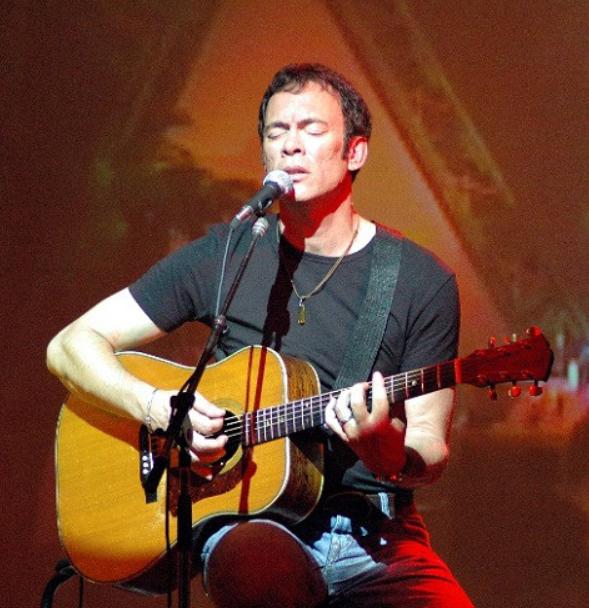
Mark Selby’s Spotify BioAlthough Mark Selby was based in Nashville and wrote or co-wrote songs for major country-pop stars, the earthy, gritty singer/songwriter and guitarist favored blues-rock and roots rock as a solo artist. Selby wasn't originally from Nashville; he was born and raised in Oklahoma and lived in Kansas (where he earned a degree in music composition from Fort Hays State University) before settling in Nashville in the 1990s. After making Music City his home, Selby landed a publishing deal and wrote or co-wrote songs for major country-pop artists like Trisha Yearwood, Wynonna Judd, and the Dixie Chicks (including the female trio's number one country hit "There's Your Trouble"). But the diverse Selby was best known for the writing he did for blues-rocker Kenny Wayne Shepherd; he wrote or co-wrote eight of the songs on Shepherd's Live On CD. In 2000, Selby signed with Vanguard as a solo artist, producing his debut solo album, More Storms Comin', with Brent Maher. Dirt followed in 2003. Selby… switched to the ZYX/Pepper Cake label for his third album, a solo acoustic effort called Mark Otis Selby...and the Horse He Rode in On, released in 2006. Nine Pound Hammer appeared in 2008, followed by Blue Highway in 2013. Mark Selby died of cancer in Nashville on September 18, 2017. ~ Alex Henderson, Rovi
Viberate is a music analytics platform built for A&Rs, artist managers, labels, booking agents, marketers, and artists.
It helps music professionals track artist growth, analyze audience data, monitor playlist activity, compare artists, follow song performance, and identify opportunities across the music market.
Public artist pages provide a free preview of selected artist data. Paid plans provide access to deeper analytics, historical data, charts, comparisons, playlist tools, exports, alerts, reports, and additional professional features.
Yes. Public Viberate artist pages provide selected artist analytics and music data for free.
Viberate also offers a 7-day free trial of the full platform. A credit card is required to start the trial. The trial includes access to the complete product so users can test deeper artist analytics, historical views, playlist insights, comparisons, charts, exports, alerts, and reporting features before choosing a paid plan.
Viberate provides artist analytics across streaming, playlists, social media, video, radio airplay, songs, and audience markets.
Users can analyze Spotify performance, Spotify and Apple Music playlists, YouTube activity, TikTok and Instagram growth, radio spins, song performance, audience locations, demographics, rankings, and overall artist momentum.
Artist profiles also connect to music charts, similar artists, and comparison tools, helping users benchmark performance and evaluate artists in context.
Viberate updates key artist and track data daily.
For followed artists and tracks, selected data is refreshed multiple times per day. This helps teams monitor playlist changes, streaming movement, audience growth, releases, and campaign performance with more current data.
Update frequency can vary depending on the metric and data source.
Yes. Viberate lets users compare up to five artists side by side across streaming, social media, audience, and engagement metrics.
Users can compare fanbase growth, audience demographics, locations, Spotify performance, social metrics, and other artist data over selected time periods.
Artist comparison can be used for A&R scouting, benchmarking, booking decisions, campaign planning, and evaluating artists with similar audiences or market positions.