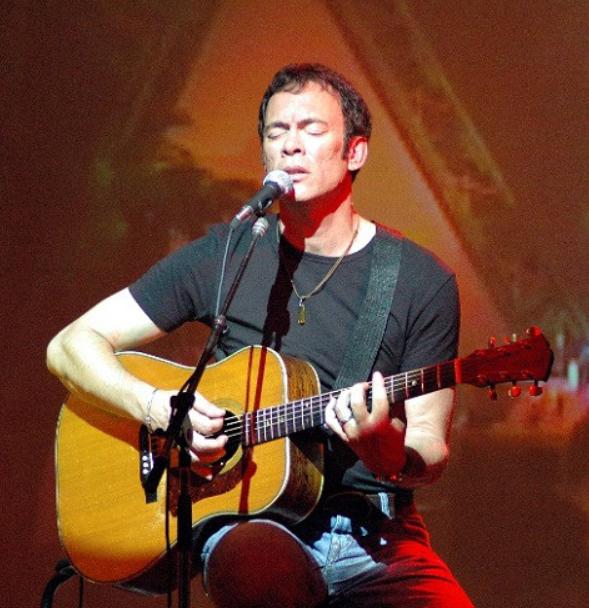
Mark May

Blues
Blues Rock
 Viberate Rank: 296187
 Viberate Rank: 296187
 Monthly ListenersFollowers
 Subscribers
 Followers
 Followers
 FansTop Spotify Songs
| Track | 7-Day Streams | |
|---|---|---|
1 | 5.05K | |
2 | 694 | |
3 | 534 | |
4 | 316 | |
5 | 289 |
Top YouTube Videos| Video | 7-Day Views | |
|---|---|---|
1 | 40 | |
2 | 25 |
Monthly ListenersFeatured in Playlists| Playlist | Followers | |
|---|---|---|
1 |  Blues Instrumental Joar Fosså | 45.46K |
2 |  Slow Blues & Blues Rock | Don's Tunes Don's Tunes | 19.74K |
3 |  Slow Guitar Blues Hakon Stefansson | 11.43K |
4 |  Funky Blues Joar Fosså | 9.54K |
5 |  Midnight Blues Helmut Neubauer | 3.81K |
Audience| City | Monthly Listeners | |
|---|---|---|
1 |  | 233 |
2 | | 190 |
3 | | 154 |
4 |  | 148 |
5 |  | 122 |
See full performance history, audience data, playlist activity, rankings, comparisons, and more in Viberate music analytics. Start with a free trial, then continue with a paid plan.
Mark May’s Spotify BioMusic was a part of Mark May's life from an early age. A brother had worked with Pure Prairie League's Craig Fuller, and his mom was drawn to the strains of country and bluegrass. A native of Ohio, the blues guitarist began learning to play the instrument when he was five years old, and during his teen years he became involved with several bands. By the time he'd turned 16, he had played the first of what would become many professional gigs. Upon relocating to Houston during the early '80s, May continued to perform professionally with a variety of country outfits. He went on to work with rock groups, but his heart always was with the blues. Thanks to a friend, he discovered an affinity for Albert Collins' brand of the blues. He soon pulled together his own blues-rock group. The band included saxophonist Eric Dimmer, drummer Danny Goza, and singer and bass player "Fretless" Dan Cooper. Dimmer left the group to work with Clarence "Gatemouth" Brown, and singer and harpist Dave Nevling… came aboard. May and the Agitators, his Houston-based band, headed into the studio and made their demo, You Can Call on the Blues.
Before a month had passed, Icehouse/Priority Records executive Johnny Philips was ready to sign May and the Agitators. After the record company issued a CD titled Call on the Blues, the band's lineup shifted. Guitarist Billy Wells and drummer Greg Grubbs stepped in to take over for Goza and Nevling. Icehouse issued May's sophomore effort, Telephone Road Houston, Texas, in 1997. The CD features contributions from the Agitators' former saxophonist, Dimmer, as well as Alan Haynes, Larry McCray, and the Memphis Horns. Two years later, May was dubbed Houston Press Musician of the Year. Previously, he had been named a nominee in the city's Best Guitar Contest. The band's lineup evolved into May on vocals and guitar, drummer Clyde Dempsey, and Kirk McKim on guitar and vocals, while Cooper remained on bass. ~ Linda Seida, Rovi
Viberate is a music analytics platform built for A&Rs, artist managers, labels, booking agents, marketers, and artists.
It helps music professionals track artist growth, analyze audience data, monitor playlist activity, compare artists, follow song performance, and identify opportunities across the music market.
Public artist pages provide a free preview of selected artist data. Paid plans provide access to deeper analytics, historical data, charts, comparisons, playlist tools, exports, alerts, reports, and additional professional features.
Yes. Public Viberate artist pages provide selected artist analytics and music data for free.
Viberate also offers a 7-day free trial of the full platform. A credit card is required to start the trial. The trial includes access to the complete product so users can test deeper artist analytics, historical views, playlist insights, comparisons, charts, exports, alerts, and reporting features before choosing a paid plan.
Viberate provides artist analytics across streaming, playlists, social media, video, radio airplay, songs, and audience markets.
Users can analyze Spotify performance, Spotify and Apple Music playlists, YouTube activity, TikTok and Instagram growth, radio spins, song performance, audience locations, demographics, rankings, and overall artist momentum.
Artist profiles also connect to music charts, similar artists, and comparison tools, helping users benchmark performance and evaluate artists in context.
Viberate updates key artist and track data daily.
For followed artists and tracks, selected data is refreshed multiple times per day. This helps teams monitor playlist changes, streaming movement, audience growth, releases, and campaign performance with more current data.
Update frequency can vary depending on the metric and data source.
Yes. Viberate lets users compare up to five artists side by side across streaming, social media, audience, and engagement metrics.
Users can compare fanbase growth, audience demographics, locations, Spotify performance, social metrics, and other artist data over selected time periods.
Artist comparison can be used for A&R scouting, benchmarking, booking decisions, campaign planning, and evaluating artists with similar audiences or market positions.