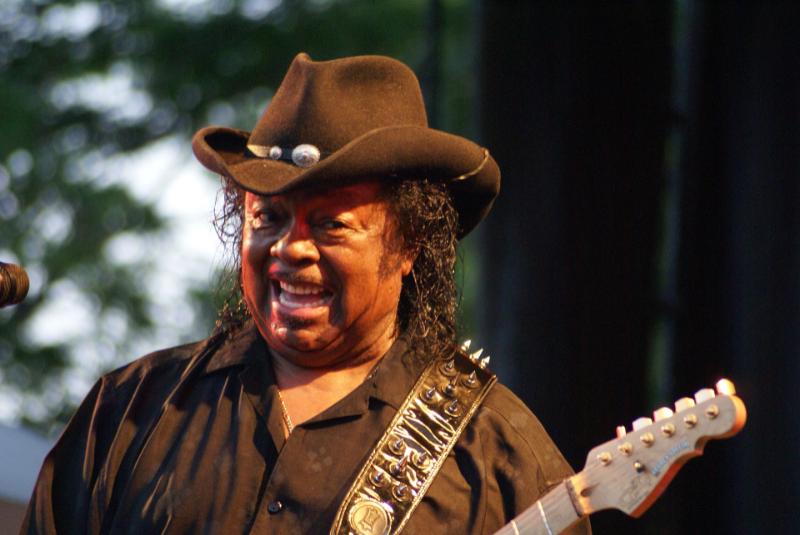
Dave Hole

Blues
Blues Rock
 Viberate Rank: 158194
 Viberate Rank: 158194
 Monthly ListenersFollowers
 Subscribers
 Followers
 Followers
 FansTop Spotify Songs
| Track | 7-Day Streams | |
|---|---|---|
1 | 3.96K | |
2 | 2.30K | |
3 | 1.86K | |
4 | 1.86K | |
5 | 1.49K |
Top YouTube VideosMonthly ListenersFeatured in Playlists| Playlist | Followers | |
|---|---|---|
1 |  Blues Ballads/ Slow Blues Joar Fosså | 39.54K |
2 |  Christmas Blues Spotify | 25.40K |
3 |  Slow Guitar Blues Hakon Stefansson | 11.43K |
4 | Slide Guitar Blues rinno20 | 8.63K |
5 |  TORO - Gramado RS - jazz blues soul Guto Gustavo Wiesel | 6.66K |
Audience| City | Monthly Listeners | |
|---|---|---|
1 | | 707 |
2 | | 683 |
3 | | 628 |
4 | | 530 |
5 | | 272 |
See full performance history, audience data, playlist activity, rankings, comparisons, and more in Viberate music analytics. Start with a free trial, then continue with a paid plan.
Dave Hole’s Spotify BioAustralian slide guitarist Dave Hole is noted for his energetic, high-volume rock & roll/blues music and unusual playing style. Though left-handed, Hole plays guitar right-handed and developed a technique to compensate for a finger injury in which he places his fingers over the top of the neck. He also uses a pick for a slide and utilizes fingerpicking when playing normally.
Born on March 30, 1948, in England, but raised from age four in Perth, Australia, Hole became interested in blues guitar around age six after hearing a schoolmate's Muddy Waters album. He received his first guitar at age 12, but became discouraged trying to learn it by himself (teachers were in short supply in isolated Perth) and abandoned it until he was 16. This time, he began picking up riffs and techniques from records. Primary influences include Eric Clapton, Jimi Hendrix, Robert Johnson, Elmore James, and Mississippi Fred McDowell. Hole became a professional in 1972 when working with a band in London.… Returning to Perth in 1974, he began his long stint touring the western Australian club circuit, playing 20 years in remote towns before making Short Fuse Blues, an album he financed, produced, and recorded with his band Short Fuse in three days in 1990. He then hawked the album during club performances and on a whim, sent a copy to Guitar Player magazine in the U.S. The editor listened to it, liked it, wrote a praise-filled article hailing him as the newest guitar wizard and comparing him to such greats as Stevie Ray Vaughan and Albert King. He then helped Hole land a distribution deal with Alligator Records and released Working Overtime (1993), Steel on Steel (1995), Under the Spell (1999), and Outside Looking In (2001). With each new release, Dave Hole continues to build a respectable following in the U.S. and European blues scene that grows stronger every year. ~ Sandra Brennan & Al Campbell, Rovi
Viberate is a music analytics platform built for A&Rs, artist managers, labels, booking agents, marketers, and artists.
It helps music professionals track artist growth, analyze audience data, monitor playlist activity, compare artists, follow song performance, and identify opportunities across the music market.
Public artist pages provide a free preview of selected artist data. Paid plans provide access to deeper analytics, historical data, charts, comparisons, playlist tools, exports, alerts, reports, and additional professional features.
Yes. Public Viberate artist pages provide selected artist analytics and music data for free.
Viberate also offers a 7-day free trial of the full platform. A credit card is required to start the trial. The trial includes access to the complete product so users can test deeper artist analytics, historical views, playlist insights, comparisons, charts, exports, alerts, and reporting features before choosing a paid plan.
Viberate provides artist analytics across streaming, playlists, social media, video, radio airplay, songs, and audience markets.
Users can analyze Spotify performance, Spotify and Apple Music playlists, YouTube activity, TikTok and Instagram growth, radio spins, song performance, audience locations, demographics, rankings, and overall artist momentum.
Artist profiles also connect to music charts, similar artists, and comparison tools, helping users benchmark performance and evaluate artists in context.
Viberate updates key artist and track data daily.
For followed artists and tracks, selected data is refreshed multiple times per day. This helps teams monitor playlist changes, streaming movement, audience growth, releases, and campaign performance with more current data.
Update frequency can vary depending on the metric and data source.
Yes. Viberate lets users compare up to five artists side by side across streaming, social media, audience, and engagement metrics.
Users can compare fanbase growth, audience demographics, locations, Spotify performance, social metrics, and other artist data over selected time periods.
Artist comparison can be used for A&R scouting, benchmarking, booking decisions, campaign planning, and evaluating artists with similar audiences or market positions.