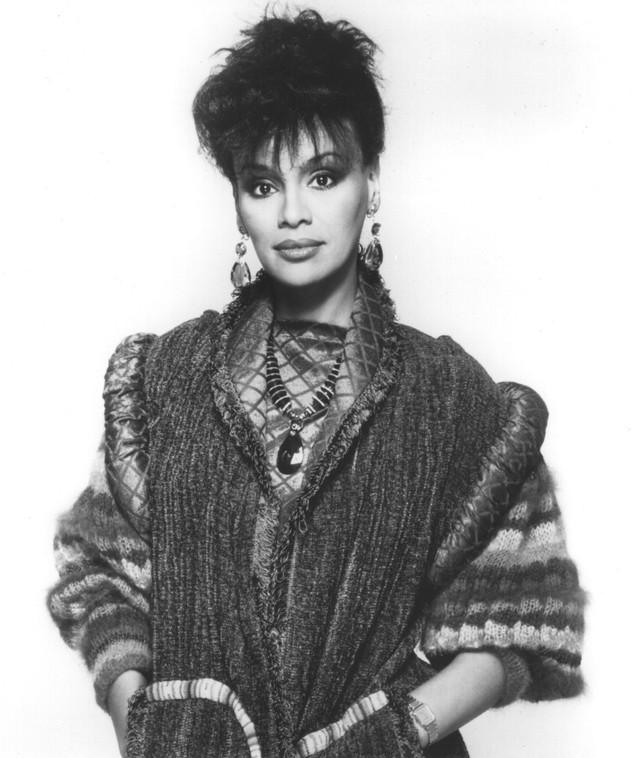
Marilyn McCoo

R&B
Soul
 Viberate Rank: 177633
 Viberate Rank: 177633
 Monthly ListenersFollowers
 Subscribers
 Followers
 Followers
 FansTop Spotify Songs
| Track | 7-Day Streams | |
|---|---|---|
1 | 34.71K | |
2 | 2.42K | |
3 | 1.48K | |
4 | 1.37K | |
5 | 610 |
Top YouTube VideosMonthly ListenersFeatured in Playlists| Playlist | Followers | |
|---|---|---|
1 |  Feel Good Dinner Spotify | 846.73K |
2 | Best Live Performances🎤 Jinggay Lamson | 55.79K |
3 |  ANTENA 1 ⭐️ Sucessos e Clássicos Internacionais Flashback Carlos Eduardo 🇧🇷 | 46.14K |
4 |  Só as melhores da N° 1 KBRITO | 29.50K |
5 |  Soul Music - 60s & 70s calvinwong1966 | 25.84K |
Audience| City | Monthly Listeners | |
|---|---|---|
1 | | 1.04K |
2 | | 937 |
3 |  | 910 |
4 | | 786 |
5 |  | 779 |
See full performance history, audience data, playlist activity, rankings, comparisons, and more in Viberate music analytics. Start with a free trial, then continue with a paid plan.
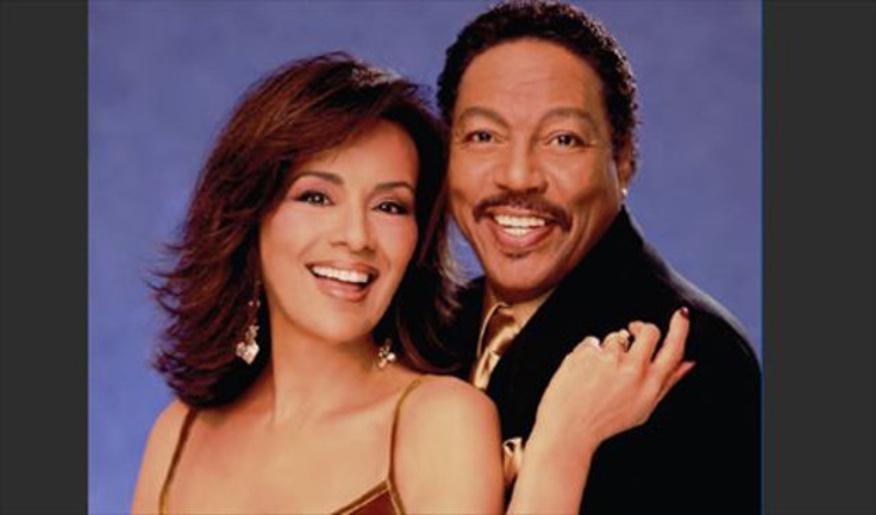
Marilyn McCoo’s Spotify BioVocalist Marilyn McCoo is featured on the 5th Dimension's million-selling hits "Wedding Bell Blues," "One Less Bell to Answer," and "(Last Night) I Didn't Get to Sleep at All." A daughter of a doctor, McCoo started singing at an early age and continued to sing throughout her grammar and high school years. As a teen, she appeared on Art Linkletter's Talent Scouts. Her family moved to Los Angeles when she was around 19. While pursuing a modeling career and entering beauty contests (she won the title of Miss Bronze California, 1962), McCoo met photographer Lamonte McLemore. In the early '60s, McLemore and McCoo joined with Floyd Butler and Harry Elston to form the Hi-Fis. Performing in local clubs, the group came to the attention of Ray Charles. They toured with "the Genius of Soul" in 1965. Charles produced a single, the jazzy "Lonesome Mood." Butler and Elston left the Hi-Fis to form the Friends of Distinction ("Grazing in the Grass," "Going in Circles," "Love or Let Me Be Lonely").
McLe…more was contacted by his childhood friend from St. Louis, Billy Davis, Jr. Davis said that he was offered a record deal with Motown. McLemore contacted another St. Louis native, Ron Townson, and he, along with Davis, McCoo, and school teacher/1963 Miss Bronze California winner Florence LaRue, started the Versatiles. The group was signed to Bob Keene's Bronco Records where their A&R director was future "Icon of Love" Barry White. After getting a contractual release from Bronco, the Versatiles signed to singer/producer Johnny Rivers' ("Secret Agent Man") Soul City label where the group became the 5th Dimension and was paired with producer Bones Howe. Howe used top L.A. session players the Wrecking Crew: bassist Joe Osborn, drummer Hal Blaine, keyboardist Larry Knechtel, and arranger Bob Alcivar on their sessions. Their first hit was a cover of the Mama and the Papas' "Go Where You Wanna Go," making it into Billboard's Top 20 pop charts in early 1967. "Up Up and Away," written by Jimmy Webb, went to number seven pop during the summer of 1967. The song won four 1968 Grammy Awards and was the title track to their first hit LP. In 1969, McCoo and Davis were married. That same year, the 5th Dimension enjoyed their greatest success. After being impressed by Ronnie Dyson's performance in the hit Broadway musical Hair, the group decided to cover one of the show's songs. "Aquarius/Let the Sunshine In" parked at number one pop for six weeks and number six R&B in spring 1969. The group performed the song in Milos Forman's 1979 movie version of Hair. The Aquarius/Let the Sunshine In LP, their best album, went gold, and included "Workin' on a Groovy Thing" written by Neil Sedaka.
The next album, Portrait, yielded the hits singles "Save the Country," the gold "One Less Bell to Answer" -- written by Burt Bacharach and Hal David -- and "Puppet Man."
Though the gold "(Last Night) I Didn't Get to Sleep at All" and "If I Could Reach You" were the group's last two singles to make it into the Top Ten, the 5th Dimension continued to have hits: "Living Together, Growing Together" -- another Bacharach/David song written for the Peter Finch movie Lost Horizon -- and "Ashes to Ashes."
In the mid-'70s, McCoo and Davis left the 5th Dimension and began performing as a duo. Landing a contract with ABC Records, they recorded their 1976 debut album, I Hope We Get to Love in Time, with Detroit producer Don Davis (Johnny Taylor, the Dramatics). The first single was the title track, which was a mid-chart hit. The second single, "You Don't Have to Be a Star (To Be in My Show)," went to number one on both the R&B and the pop charts during January 1977. Motown great James Jamerson is featured on bass. Marilyn McCoo and Billy Davis, Jr. were awarded a gold single and a gold album their first time out. The third single, "Your Love," went Top Ten R&B and Top 20 pop. In the summer of 1977, the couple had their own variety show, The Marilyn McCoo and Billy Davis, Jr. Show, on CBS.
Their next ABC album, 1977's The Two of Us, was produced by Motown alumni Frank Wilson (Eddie Kendricks, New Birth) and boasted the singles "Look What You've Done to My Heart," "Wonderful," the ballad "My Reason to Be Is You," and the tender title track. Switching to Columbia Records, their Marilyn & Billy album was released during the fall of in 1978. One charting single, a cover of "Shine on Silvery Moon," became a favorite in disco clubs. McCoo recorded her first solo LP for RCA Records, with the single "Heart Stop Beating in Time," written by the Bee Gees, being a small hit. Other solo albums by McCoo are White Christmas (Laserlight, 1996) and The Me Nobody Knows, produced by Chris Christian and Humberto Gatica (EMI Special Products, 1991). During the '80s, McCoo hosted the nationally syndicated pop music show Solid Gold and appeared on NBC shows Night Court and the soap opera Days of Our Lives. She also took to the stage, appearing in Dreamgirls, Showboat, and Man of La Mancha. McCoo co-hosted with Glynn Turman McDonald's Gospelfest Pt. 1 in 1990, available on home video.
The couple continues to perform around the country in concerts (some being 5th Dimension reunions) and musicals such as It Takes Two, Hit With a Hot Note!: The Duke Ellington Songbook, and celebrated their 30th wedding anniversary with a cover story in the August 9, 1999 issue of Jet Magazine. ~ Ed Hogan, Rovi
Viberate is a music analytics platform built for A&Rs, artist managers, labels, booking agents, marketers, and artists.
It helps music professionals track artist growth, analyze audience data, monitor playlist activity, compare artists, follow song performance, and identify opportunities across the music market.
Public artist pages provide a free preview of selected artist data. Paid plans provide access to deeper analytics, historical data, charts, comparisons, playlist tools, exports, alerts, reports, and additional professional features.
Yes. Public Viberate artist pages provide selected artist analytics and music data for free.
Viberate also offers a 7-day free trial of the full platform. A credit card is required to start the trial. The trial includes access to the complete product so users can test deeper artist analytics, historical views, playlist insights, comparisons, charts, exports, alerts, and reporting features before choosing a paid plan.
Viberate provides artist analytics across streaming, playlists, social media, video, radio airplay, songs, and audience markets.
Users can analyze Spotify performance, Spotify and Apple Music playlists, YouTube activity, TikTok and Instagram growth, radio spins, song performance, audience locations, demographics, rankings, and overall artist momentum.
Artist profiles also connect to music charts, similar artists, and comparison tools, helping users benchmark performance and evaluate artists in context.
Viberate updates key artist and track data daily.
For followed artists and tracks, selected data is refreshed multiple times per day. This helps teams monitor playlist changes, streaming movement, audience growth, releases, and campaign performance with more current data.
Update frequency can vary depending on the metric and data source.
Yes. Viberate lets users compare up to five artists side by side across streaming, social media, audience, and engagement metrics.
Users can compare fanbase growth, audience demographics, locations, Spotify performance, social metrics, and other artist data over selected time periods.
Artist comparison can be used for A&R scouting, benchmarking, booking decisions, campaign planning, and evaluating artists with similar audiences or market positions.