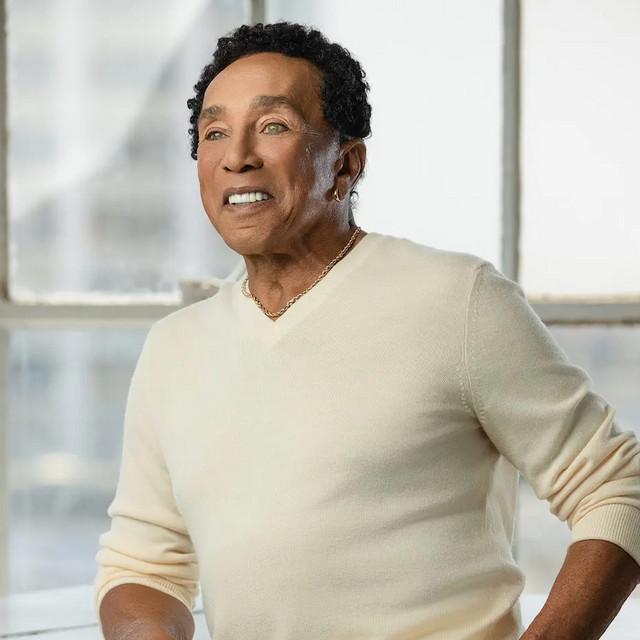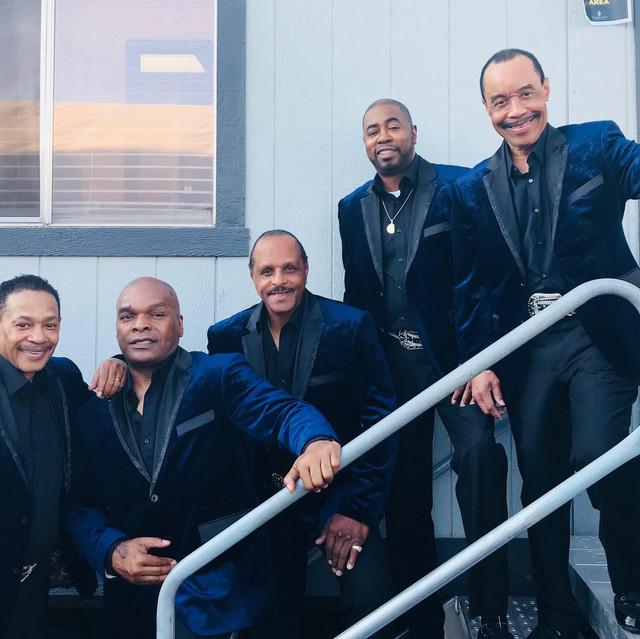
Al Wilson

R&B
Soul
Contemporary R&B
Christian Music
 Viberate Rank: 55407
 Viberate Rank: 55407
 Monthly ListenersFollowers
 Subscribers
 Followers
 Followers
 FansTop Spotify Songs
| Track | 7-Day Streams | |
|---|---|---|
1 | 121.12K | |
2 | 35.42K | |
3 | 2.47K | |
4 | 1.51K | |
5 | 1.51K |
Top YouTube VideosMonthly ListenersFeatured in Playlists| Playlist | Followers | |
|---|---|---|
1 |  Fidi & Bumsi Spotify | 353.23K |
2 |  YACHT ROCK | TOP 100 SONGS Filtr US | 242.07K |
3 |  70s R&B/Soul - The Golden Era Raul Gabriel - Music | 159.69K |
4 |  Northern Soul Classics Spotify | 152.98K |
5 |  Lowrider Crusin' Spotify | 144.18K |
Audience| City | Monthly Listeners | |
|---|---|---|
1 | | 9.02K |
2 |  | 8.11K |
3 | | 5.63K |
4 | | 4.41K |
5 | | 3.73K |
See full performance history, audience data, playlist activity, rankings, comparisons, and more in Viberate music analytics. Start with a free trial, then continue with a paid plan.
Al Wilson’s Spotify BioBest remembered for the number one pop hit "Show and Tell," soul singer Al Wilson was born June 19, 1939 in Meridian, Mississippi. From childhood forward he was singing professionally, and by the age of 12 was leading his own spiritual quartet and singing in the church choir, even performing covers of country & western hits as circumstances dictated. While he was in high school, Wilson and his family relocated to San Bernardino, California, where he worked odd jobs as a mail carrier, a janitor, and an office clerk, in addition to teaching himself to play drums. After graduation he spent four years touring with Johnny Harris & the Statesmen before joining the U.S. Navy and singing with an enlisted men's chorus. After a two-year military stint, Wilson settled in Los Angeles, touring the local nightclub circuit before joining the R&B vocal group the Jewels; from there he landed with the Rollers, followed by a stint with the instrumental combo the Souls.
In 1966, Wilson signed with manager… Marc Gordon, who quickly scored his client an a cappella audition for Johnny Rivers. The "Secret Agent Man" singer not only signed Wilson to his Soul City imprint, but also agreed to produce the sessions that yielded the 1968 R&B smash "The Snake." The minor hit "Do What You Gotta Do" appeared that same year, but Wilson then largely disappeared from sight until 1973, when he issued the platinum-selling Weighing In -- the album's success was spurred by the shimmering "Show and Tell," a Johnny Mathis castoff that sold well over a million copies. "The La La Peace Song," released in 1974, proved another major hit, and two years later, "I've Got a Feeling We'll Be Seeing Each Other Again" peaked at number three on the R&B chart. With 1979's "Count the Days" Wilson scored his final chart hit, however, and he spent the next two decades touring clubs and lounges. In 2001 he re-recorded his classic hits for the album Spice of Life. Kidney failure took his life on April 21, 2008. ~ Jason Ankeny, Rovi
Viberate is a music analytics platform built for A&Rs, artist managers, labels, booking agents, marketers, and artists.
It helps music professionals track artist growth, analyze audience data, monitor playlist activity, compare artists, follow song performance, and identify opportunities across the music market.
Public artist pages provide a free preview of selected artist data. Paid plans provide access to deeper analytics, historical data, charts, comparisons, playlist tools, exports, alerts, reports, and additional professional features.
Yes. Public Viberate artist pages provide selected artist analytics and music data for free.
Viberate also offers a 7-day free trial of the full platform. A credit card is required to start the trial. The trial includes access to the complete product so users can test deeper artist analytics, historical views, playlist insights, comparisons, charts, exports, alerts, and reporting features before choosing a paid plan.
Viberate provides artist analytics across streaming, playlists, social media, video, radio airplay, songs, and audience markets.
Users can analyze Spotify performance, Spotify and Apple Music playlists, YouTube activity, TikTok and Instagram growth, radio spins, song performance, audience locations, demographics, rankings, and overall artist momentum.
Artist profiles also connect to music charts, similar artists, and comparison tools, helping users benchmark performance and evaluate artists in context.
Viberate updates key artist and track data daily.
For followed artists and tracks, selected data is refreshed multiple times per day. This helps teams monitor playlist changes, streaming movement, audience growth, releases, and campaign performance with more current data.
Update frequency can vary depending on the metric and data source.
Yes. Viberate lets users compare up to five artists side by side across streaming, social media, audience, and engagement metrics.
Users can compare fanbase growth, audience demographics, locations, Spotify performance, social metrics, and other artist data over selected time periods.
Artist comparison can be used for A&R scouting, benchmarking, booking decisions, campaign planning, and evaluating artists with similar audiences or market positions.