Marian McPartland

Jazz
Bebop
Smooth Jazz
 Viberate Rank: 164249
 Viberate Rank: 164249
 Monthly ListenersFollowers
 Subscribers
 Followers
 Followers
 FansTop Spotify Songs
| Track | 7-Day Streams | |
|---|---|---|
1 | 3.92K | |
2 | 2.58K | |
3 | 1.67K | |
4 | 1.22K | |
5 | 905 |
Top YouTube VideosMonthly ListenersFeatured in Playlists| Playlist | Followers | |
|---|---|---|
1 |  Jazz Piano Classics Spotify | 158.75K |
2 |  Subsuelo Jazz Bar Spotify | 29.53K |
3 | Quiet Night Jazz Tova | 25.59K |
4 | Jazz Standards Playlist tmorral22 | 19.75K |
5 |  This Is Brad Mehldau Spotify | 17.84K |
Audience| City | Monthly Listeners | |
|---|---|---|
1 | | 482 |
2 | | 397 |
3 |  | 379 |
4 | | 371 |
5 |  | 277 |
See full performance history, audience data, playlist activity, rankings, comparisons, and more in Viberate music analytics. Start with a free trial, then continue with a paid plan.
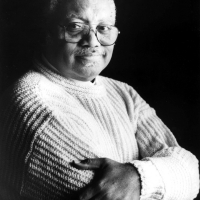
Marian McPartland’s Spotify BioMarian McPartland became famous for hosting her Piano Jazz radio program beginning in 1978, but she was a well-respected pianist decades before. She played in a four-piano vaudeville act in England and performed on the European continent for the troops during World War II. In Belgium in 1944, she met cornetist Jimmy McPartland and they soon married. Marian moved with her husband to the United States in 1946, where she sometimes played with him even though her style was more modern than his Dixieland-oriented groups. McPartland eventually had her own trio at the Embers (1950) and the Hickory House (1952-1960), which until 1957 included drummer Joe Morello. She recorded regularly for Savoy and Capitol during the 1950s and also made sessions for Argo (1958), Time (1960 and 1963), Sesac, and Dot. Although eventually divorced from Jimmy, they remained close friends, sometimes played together, and even remarried just weeks before his death. She formed her own Halcyon label and recorded… several fine albums between 1969-1977. McPartland also made three albums for Tony Bennett's Improv label during 1976-1977 before signing with Concord, where she remained after 1978. The Jazz Alliance label has made available over 30 CDs' worth of material from Marian McPartland's Piano Jazz show, some of which are quite fascinating and significant. McPartland died in August 2013 at her home in Port Washington, New York; she was 95 years old. ~ Scott Yanow, Rovi
Viberate is a music analytics platform built for A&Rs, artist managers, labels, booking agents, marketers, and artists.
It helps music professionals track artist growth, analyze audience data, monitor playlist activity, compare artists, follow song performance, and identify opportunities across the music market.
Public artist pages provide a free preview of selected artist data. Paid plans provide access to deeper analytics, historical data, charts, comparisons, playlist tools, exports, alerts, reports, and additional professional features.
Yes. Public Viberate artist pages provide selected artist analytics and music data for free.
Viberate also offers a 7-day free trial of the full platform. A credit card is required to start the trial. The trial includes access to the complete product so users can test deeper artist analytics, historical views, playlist insights, comparisons, charts, exports, alerts, and reporting features before choosing a paid plan.
Viberate provides artist analytics across streaming, playlists, social media, video, radio airplay, songs, and audience markets.
Users can analyze Spotify performance, Spotify and Apple Music playlists, YouTube activity, TikTok and Instagram growth, radio spins, song performance, audience locations, demographics, rankings, and overall artist momentum.
Artist profiles also connect to music charts, similar artists, and comparison tools, helping users benchmark performance and evaluate artists in context.
Viberate updates key artist and track data daily.
For followed artists and tracks, selected data is refreshed multiple times per day. This helps teams monitor playlist changes, streaming movement, audience growth, releases, and campaign performance with more current data.
Update frequency can vary depending on the metric and data source.
Yes. Viberate lets users compare up to five artists side by side across streaming, social media, audience, and engagement metrics.
Users can compare fanbase growth, audience demographics, locations, Spotify performance, social metrics, and other artist data over selected time periods.
Artist comparison can be used for A&R scouting, benchmarking, booking decisions, campaign planning, and evaluating artists with similar audiences or market positions.