Marcelus

Electronic
Techno
Dub Techno
 Viberate Rank: 361883
 Viberate Rank: 361883
 Monthly ListenersFollowers
 Subscribers
 Followers
 Followers
 FansTop Spotify Songs
| Track | 7-Day Streams | |
|---|---|---|
1 | 203 | |
2 | 192 | |
3 | 129 | |
4 | 69 | |
5 | 46 |
Top YouTube VideosMonthly ListenersFeatured in Playlists| Playlist | Followers | |
|---|---|---|
1 |  BERLIN TECHNO Ferdinand von Eltz-Rübenach | 73.33K |
2 | Berghain Music Roman Wäger | 39.72K |
3 |  Quello che vi consiglio Gemitaiz | 26.96K |
4 |  BERGHAIN / Berlin underground techno Erik Podškubka | 16.13K |
5 |  my stick - Kornél Kovács Kornél Kovács | 10.28K |
Audience| City | Monthly Listeners | |
|---|---|---|
1 |  | 119 |
2 | | 35 |
3 |  | 35 |
4 |  | 28 |
5 |  | 26 |
See full performance history, audience data, playlist activity, rankings, comparisons, and more in Viberate music analytics. Start with a free trial, then continue with a paid plan.
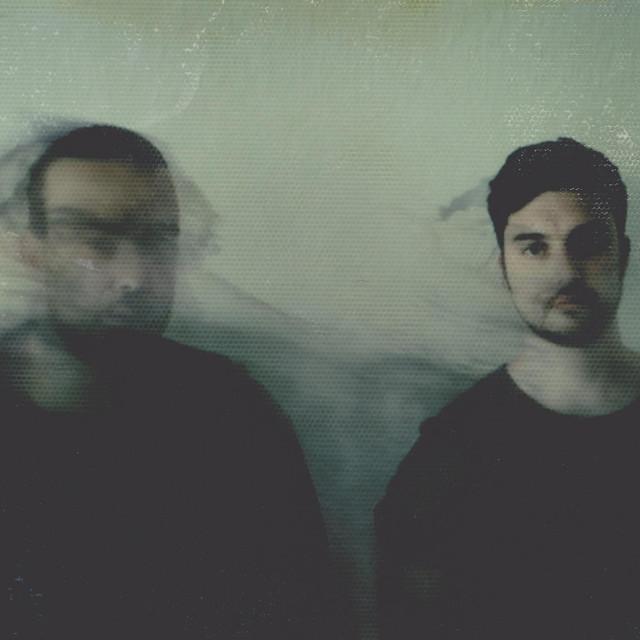
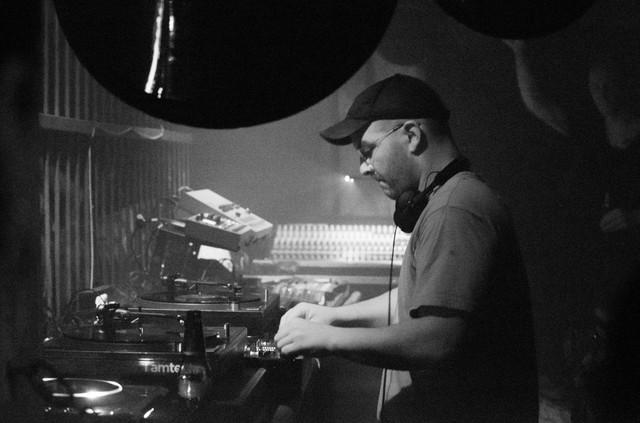
Marcelus’ Spotify BioFrenchman Cédric Bros became a major figure in European techno during the first half of the 2010s. Born in 1986 in Paris, he grew up with mainstream pop music before the then-emerging "French touch" sound turned him on to house music, which he consumed via the city's two radio stations that played it. Aged 12, he started to make his own music using simple computer software, and later grew his home studio once he was able to go out and earn a living. He learned how to DJ and began playing in clubs, while still working on his own music. He was influenced by the likes of Jeff Mills, St. Germain, Laurent Garnier, Brian Eno, and in particular DJ Deep, whom he initially thought of as a house artist before seeing him play techno alongside Ben Klock and Marcel Dettmann. He repeatedly contacted Deep until he agreed to meet, and passed him his demos, which Deep liked and offered to release on his Deeply Rooted label. The resulting EP1 in 2010, an accomplished blend of funky house and tough… techno, was a sensation, with many critics expressing disbelief that it was a debut release. EP2 followed the next year to similar acclaim, and in 2012 Marcelus released his debut for Tresor, the Super Strength EP. That year he also started his own label, Singular, which would go on to become a showcase for his own material. Two more EPs on Tresor followed, and he became a resident DJ at the label's club in Berlin. Tresor released his debut album, Vibrations, in 2016. While incorporating mathematical principles in the tradition of Bartók and LaMonte Young, it was not a rigidly academic exercise and retained the spontaneity and lightness of touch that had made him so popular to begin with. ~ John D. Buchanan, Rovi
Viberate is a music analytics platform built for A&Rs, artist managers, labels, booking agents, marketers, and artists.
It helps music professionals track artist growth, analyze audience data, monitor playlist activity, compare artists, follow song performance, and identify opportunities across the music market.
Public artist pages provide a free preview of selected artist data. Paid plans provide access to deeper analytics, historical data, charts, comparisons, playlist tools, exports, alerts, reports, and additional professional features.
Yes. Public Viberate artist pages provide selected artist analytics and music data for free.
Viberate also offers a 7-day free trial of the full platform. A credit card is required to start the trial. The trial includes access to the complete product so users can test deeper artist analytics, historical views, playlist insights, comparisons, charts, exports, alerts, and reporting features before choosing a paid plan.
Viberate provides artist analytics across streaming, playlists, social media, video, radio airplay, songs, and audience markets.
Users can analyze Spotify performance, Spotify and Apple Music playlists, YouTube activity, TikTok and Instagram growth, radio spins, song performance, audience locations, demographics, rankings, and overall artist momentum.
Artist profiles also connect to music charts, similar artists, and comparison tools, helping users benchmark performance and evaluate artists in context.
Viberate updates key artist and track data daily.
For followed artists and tracks, selected data is refreshed multiple times per day. This helps teams monitor playlist changes, streaming movement, audience growth, releases, and campaign performance with more current data.
Update frequency can vary depending on the metric and data source.
Yes. Viberate lets users compare up to five artists side by side across streaming, social media, audience, and engagement metrics.
Users can compare fanbase growth, audience demographics, locations, Spotify performance, social metrics, and other artist data over selected time periods.
Artist comparison can be used for A&R scouting, benchmarking, booking decisions, campaign planning, and evaluating artists with similar audiences or market positions.