Cassegrain

Electronic
Techno
Acid Techno
 Viberate Rank: 260140
 Viberate Rank: 260140
 Monthly ListenersFollowers
 Subscribers
 Followers
 Followers
 FansTop Spotify Songs
| Track | 7-Day Streams | |
|---|---|---|
1 | 220 | |
2 | 215 | |
3 | 166 | |
4 | 131 | |
5 | 63 |
Top YouTube VideosMonthly ListenersFeatured in Playlists| Playlist | Followers | |
|---|---|---|
1 |  Afterlife Worldwide Afterlife Recordings | 51.63K |
2 | Boiler Room Bartholomew Cronin | 51.09K |
3 | Berghain Music Roman Wäger | 39.72K |
4 |  Techno Groovy rubenhssd | 16.69K |
5 |  BERGHAIN / Berlin underground techno Erik Podškubka | 16.10K |
Audience| City | Monthly Listeners | |
|---|---|---|
1 | | 105 |
2 |  | 56 |
3 |  | 37 |
4 | | 35 |
5 |  | 35 |
See full performance history, audience data, playlist activity, rankings, comparisons, and more in Viberate music analytics. Start with a free trial, then continue with a paid plan.
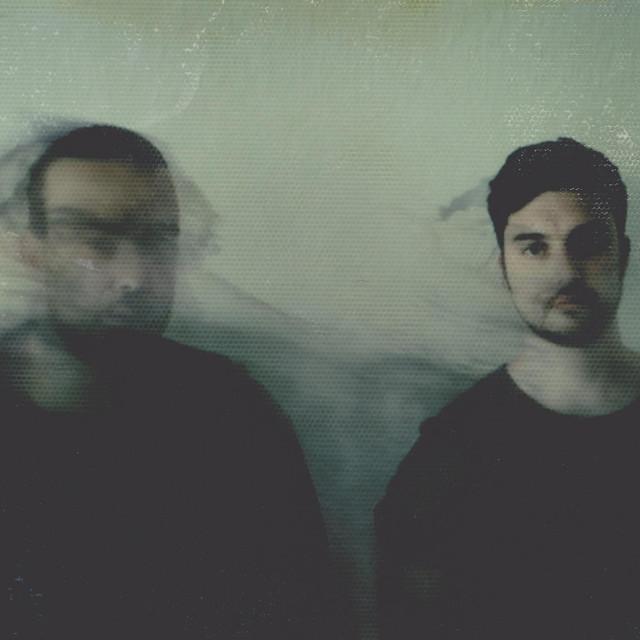
Cassegrain’s Spotify BioAlex Tsiridis and Hüseyin Evirgen formed Cassegrain in 2008 after meeting at the Red Bull Music Academy in Barcelona, having quickly bonded over their mutual appreciation of electronic music. Turkish-born Evirgen had had a strict musical education, playing piano from the age of seven while studying composition in Istanbul and at the Mozarteum University in Salzburg, while Greek-born Tsiridis developed his music skills through computer software and growing up with a love of IDM and dance music in general. Cassegrain's first release came in 2010, with the single Cotton on Mikrowave, which was followed a year later by their first release, the Dropa EP, for Munich-based deep and dark techno label Prologue. The duo's release schedule increased throughout 2012, with singles coming on Modal Analysis, M_REC LTD, Killekill, and Prologue, while DJ and live sets and blog appearances elevated their profile. The year 2013 saw the pair remixing Dutch techno artist Charlton Ravenberg as well as Alexa…nder Kowalski's Dircksen, while a collaboration with Tin Man and another release for Prologue, the six-track EP Tiamat, also appeared. Cassegrain worked on their debut album, Centers of Distraction, in 2014; released at the end of that year, the album was preceded by the EP Blood Distributed as Pure Colour. ~ Rich Wilson, Rovi
Viberate is a music analytics platform built for A&Rs, artist managers, labels, booking agents, marketers, and artists.
It helps music professionals track artist growth, analyze audience data, monitor playlist activity, compare artists, follow song performance, and identify opportunities across the music market.
Public artist pages provide a free preview of selected artist data. Paid plans provide access to deeper analytics, historical data, charts, comparisons, playlist tools, exports, alerts, reports, and additional professional features.
Yes. Public Viberate artist pages provide selected artist analytics and music data for free.
Viberate also offers a 7-day free trial of the full platform. A credit card is required to start the trial. The trial includes access to the complete product so users can test deeper artist analytics, historical views, playlist insights, comparisons, charts, exports, alerts, and reporting features before choosing a paid plan.
Viberate provides artist analytics across streaming, playlists, social media, video, radio airplay, songs, and audience markets.
Users can analyze Spotify performance, Spotify and Apple Music playlists, YouTube activity, TikTok and Instagram growth, radio spins, song performance, audience locations, demographics, rankings, and overall artist momentum.
Artist profiles also connect to music charts, similar artists, and comparison tools, helping users benchmark performance and evaluate artists in context.
Viberate updates key artist and track data daily.
For followed artists and tracks, selected data is refreshed multiple times per day. This helps teams monitor playlist changes, streaming movement, audience growth, releases, and campaign performance with more current data.
Update frequency can vary depending on the metric and data source.
Yes. Viberate lets users compare up to five artists side by side across streaming, social media, audience, and engagement metrics.
Users can compare fanbase growth, audience demographics, locations, Spotify performance, social metrics, and other artist data over selected time periods.
Artist comparison can be used for A&R scouting, benchmarking, booking decisions, campaign planning, and evaluating artists with similar audiences or market positions.