Jay Clarke

Electronic
Techno
Dub Techno
 Viberate Rank: 364194
 Viberate Rank: 364194
 Monthly ListenersFollowers
 Subscribers
 Followers
 Followers
 FansTop Spotify Songs
| Track | 7-Day Streams | |
|---|---|---|
1 | 291 | |
2 | 187 | |
3 | 101 | |
4 | 41 | |
5 | 37 |
Top YouTube VideosMonthly ListenersFeatured in Playlists| Playlist | Followers | |
|---|---|---|
1 | Berghain Music Roman Wäger | 39.72K |
2 |  Hypnotic Techno Jimmy Ghaderi | 14.90K |
3 |  Techno (Watergate, Berghain, Sisyphos,Berlin Techno forever) Helmut Sokopp | 13.06K |
4 | Suara Chris Mo | 9.49K |
5 |  Hard Techno - Rave or Grave Justin E Brooks | 5.66K |
Audience| City | Monthly Listeners | |
|---|---|---|
1 |  | 57 |
2 | | 26 |
3 |  | 25 |
4 |  | 21 |
5 | | 18 |
See full performance history, audience data, playlist activity, rankings, comparisons, and more in Viberate music analytics. Start with a free trial, then continue with a paid plan.
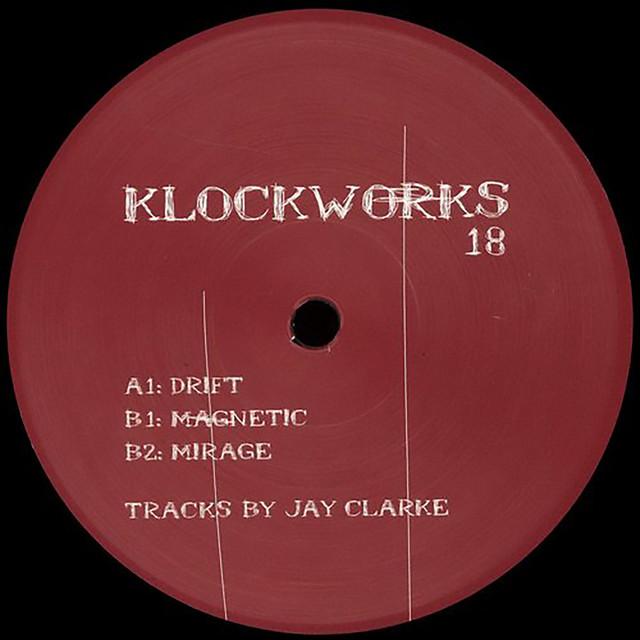
Jay Clarke’s Spotify BioThe term quality over quantity is painfully overused, but in Jay Clarke’s case it’s a fitting descriptive for the way the UK artist approaches every facet of his musical career. A trusted Klockworks artist, he’s contributed two acclaimed EPs (KW18, KW28) and a track (‘Perdita’) to the KW20 compilation, while Ben Klock has selected him to play Photon events at Berghain, Bassiani and Awakenings at Gashouder.
In 2020 Jay went on to release his debut EP on Slam’s iconic Soma Records imprint, followed by a remix of Goldie at the behest of the Metalheadz legend. Jay also runs the thoughtfully-curated BLACKAXON label, a creative outlet allowing him to showcase sounds from across the Techno and wider Electronic spectrum.
From 2015 to 2020, Jay was a trusted fabric resident before graduating from their resident’s program; a colorful and dynamic DJ, playing across the Techno spectrum. He is best known for his energetic and groovy peak-time DJ sets across Europe and beyond, taking heavy influence… from 90’s Techno and also Drum & Bass. He seamlessly blends together modern rollers with percussive loopy hardgroove, alongside straight-up heavy bangers. DJ Mag rightly heralded his skills, stating: ‘Jay is considered in his approach, but unconstricted by stylistic boundaries, happy to mix nosebleed slammers with heady rollers and even more upbeat or electro efforts’.
Viberate is a music analytics platform built for A&Rs, artist managers, labels, booking agents, marketers, and artists.
It helps music professionals track artist growth, analyze audience data, monitor playlist activity, compare artists, follow song performance, and identify opportunities across the music market.
Public artist pages provide a free preview of selected artist data. Paid plans provide access to deeper analytics, historical data, charts, comparisons, playlist tools, exports, alerts, reports, and additional professional features.
Yes. Public Viberate artist pages provide selected artist analytics and music data for free.
Viberate also offers a 7-day free trial of the full platform. A credit card is required to start the trial. The trial includes access to the complete product so users can test deeper artist analytics, historical views, playlist insights, comparisons, charts, exports, alerts, and reporting features before choosing a paid plan.
Viberate provides artist analytics across streaming, playlists, social media, video, radio airplay, songs, and audience markets.
Users can analyze Spotify performance, Spotify and Apple Music playlists, YouTube activity, TikTok and Instagram growth, radio spins, song performance, audience locations, demographics, rankings, and overall artist momentum.
Artist profiles also connect to music charts, similar artists, and comparison tools, helping users benchmark performance and evaluate artists in context.
Viberate updates key artist and track data daily.
For followed artists and tracks, selected data is refreshed multiple times per day. This helps teams monitor playlist changes, streaming movement, audience growth, releases, and campaign performance with more current data.
Update frequency can vary depending on the metric and data source.
Yes. Viberate lets users compare up to five artists side by side across streaming, social media, audience, and engagement metrics.
Users can compare fanbase growth, audience demographics, locations, Spotify performance, social metrics, and other artist data over selected time periods.
Artist comparison can be used for A&R scouting, benchmarking, booking decisions, campaign planning, and evaluating artists with similar audiences or market positions.