Mahogany Rush

Rock
Hard Rock
Blues Rock
 Viberate Rank: 155764
 Viberate Rank: 155764
 Monthly ListenersFollowers
 Subscribers
 Followers
 Followers
 FansTop Spotify Songs
| Track | 7-Day Streams | |
|---|---|---|
1 | 3.16K | |
2 | 1.51K | |
3 | 880 | |
4 | 796 | |
5 | 738 |
Top YouTube VideosMonthly ListenersFeatured in Playlists| Playlist | Followers | |
|---|---|---|
1 |  70s Proto-Metal, Heavy Psych & Obscure Hard Rock Jordan Edrei | 11.27K |
2 |  60's - 70's Rock Akseli Kuhalampi | 9.67K |
3 |  Deep Cuts, Forgotten Gems & Classic Rock Gold Rick Kirby - music nerd | 5.63K |
4 |  60s & 70s Underground Rock Bobby Floccari | 5.04K |
5 |  Bob Dylan Covers manacc | 5.02K |
Audience| City | Monthly Listeners | |
|---|---|---|
1 | | 384 |
2 | | 247 |
3 |  | 237 |
4 | | 195 |
5 |  | 172 |
See full performance history, audience data, playlist activity, rankings, comparisons, and more in Viberate music analytics. Start with a free trial, then continue with a paid plan.
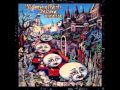
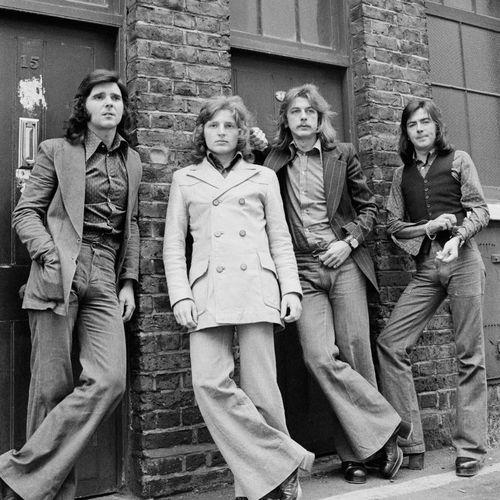
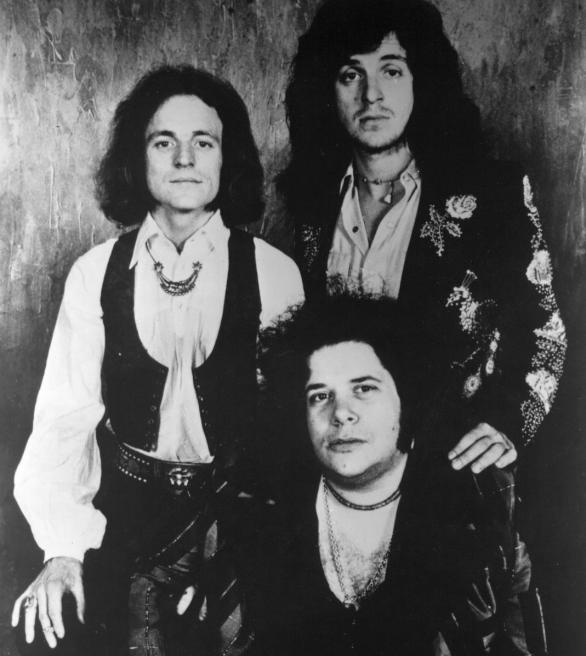
Mahogany Rush’s Spotify BioA Canadian rock group started around 1970, simply known as Mahogany Rush. Frank Marino's name was added later. Marino served as the lead singer, guitarist, and percussionist. Other members were bass guitarist Paul Harwood and drummer Jimmy Ayoub. In the early '80s, rhythm guitarist Vince Marino, Frank's brother, was added to the lineup. A couple of years after that, Ayoub walked, and drummer Tim Biery stepped in to replace him. Mahogany Rush released its debut album in 1973. It was the first of more than a dozen full-length recordings the group completed over the next two-plus decades.
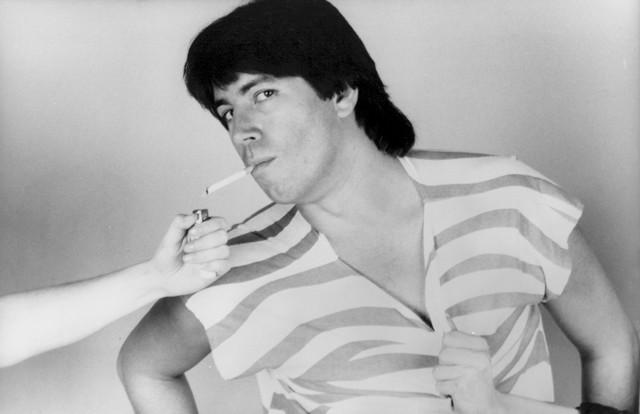
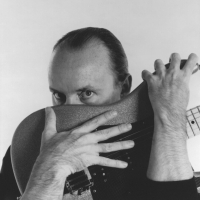
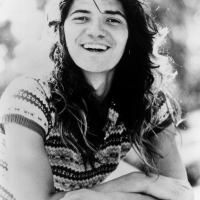
The leader of Mahogany Rush, Frank Marino, was born in Montreal, Quebec in the winter of 1954. He had a troubled childhood. As a young teen, deep into drugs like LSD, Marino indulged too much, and found himself hospitalized. He had always loved psychedelic and hard rock music, like that of Jimi Hendrix, and time in the hospital, with a clear head, gave him a chance to really listen and hear the music. As… part of his recovery, he was offered the chance to use a musical instrument. He was a drummer, but since none were available, he picked up a guitar. Over the next couple of months, Marino taught himself to play, and to do so amazingly well.
Fresh out of the hospital, and trying to keep his thoughts off drugs, Marino pulled together some friends and formed a band that hopped around doing small gigs where and when they could. Many members came and went before Marino found the right fit with Ayoub and Harwood. That was when the true Mahogany Rush was born.
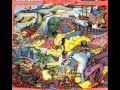
After a couple of years of seeming to get nowhere fast -- or at all -- the band finally recorded a debut album, Maxoom, released under the Kot'Ai Records label in 1973, when Marino was only 17. Between then and 1976, the group finished three more albums, Child of the Novelty, Strange Universe, and a self-titled offering. That latter appeared under a new label, the major Columbia Records. The next year the band lengthened its name to Frank Marino and Mahogany Rush. It stayed under contract with Columbia into the '80s, recording a number of albums, including World Anthem, Tales of the Unexpected, What's Next, The Power of Rock 'N Roll, and Juggernaut.
Around the middle of the '80s, the group landed a deal with Maze Records. The result was the album Double Live. Marino also recorded a solo album, Full Circle, under the label. Around that same time, Frank Marino and Mahogany Rush seemed to have called it quits, at least for that decade.
In 1995, Big Beat Records put together three of the group's early albums onto a two-CD set. A best-of album followed a year later, bringing back old fans, and growing a brand new batch to go with them. In 2000, the group recorded an independent release, Eye of the Storm. ~ Charlotte Dillon, Rovi
Viberate is a music analytics platform built for A&Rs, artist managers, labels, booking agents, marketers, and artists.
It helps music professionals track artist growth, analyze audience data, monitor playlist activity, compare artists, follow song performance, and identify opportunities across the music market.
Public artist pages provide a free preview of selected artist data. Paid plans provide access to deeper analytics, historical data, charts, comparisons, playlist tools, exports, alerts, reports, and additional professional features.
Yes. Public Viberate artist pages provide selected artist analytics and music data for free.
Viberate also offers a 7-day free trial of the full platform. A credit card is required to start the trial. The trial includes access to the complete product so users can test deeper artist analytics, historical views, playlist insights, comparisons, charts, exports, alerts, and reporting features before choosing a paid plan.
Viberate provides artist analytics across streaming, playlists, social media, video, radio airplay, songs, and audience markets.
Users can analyze Spotify performance, Spotify and Apple Music playlists, YouTube activity, TikTok and Instagram growth, radio spins, song performance, audience locations, demographics, rankings, and overall artist momentum.
Artist profiles also connect to music charts, similar artists, and comparison tools, helping users benchmark performance and evaluate artists in context.
Viberate updates key artist and track data daily.
For followed artists and tracks, selected data is refreshed multiple times per day. This helps teams monitor playlist changes, streaming movement, audience growth, releases, and campaign performance with more current data.
Update frequency can vary depending on the metric and data source.
Yes. Viberate lets users compare up to five artists side by side across streaming, social media, audience, and engagement metrics.
Users can compare fanbase growth, audience demographics, locations, Spotify performance, social metrics, and other artist data over selected time periods.
Artist comparison can be used for A&R scouting, benchmarking, booking decisions, campaign planning, and evaluating artists with similar audiences or market positions.