Lou Johnson

R&B
Soul
Contemporary R&B
Classical Crossover
 Viberate Rank: 258133
 Viberate Rank: 258133
 Monthly ListenersFollowers
 Subscribers
 Followers
 Followers
 FansTop Spotify Songs
| Track | 7-Day Streams | |
|---|---|---|
1 | 3.87K | |
2 | 3.87K | |
3 | 761 | |
4 | 587 | |
5 | 415 |
Top YouTube VideosMonthly ListenersFeatured in Playlists| Playlist | Followers | |
|---|---|---|
1 |  Vintage & Retro | Soul • Blues • Rock • Classic Vibes • Throwback Pop • Modern Oldies Retro Tones | 86.99K |
2 |  One Playlist @justin.tilley | 72.18K |
3 | Songs: Mad Men Kenneth Lorence | 30.54K |
4 |  Mad Men Soundtrack rubyrubyruby399 | 30.29K |
5 | Ultimate 'Mad Men' Playlist Rolling Stone | 21.58K |
Audience| City | Monthly Listeners | |
|---|---|---|
1 |  | 370 |
2 | | 252 |
3 | | 209 |
4 | | 200 |
5 | | 199 |
See full performance history, audience data, playlist activity, rankings, comparisons, and more in Viberate music analytics. Start with a free trial, then continue with a paid plan.
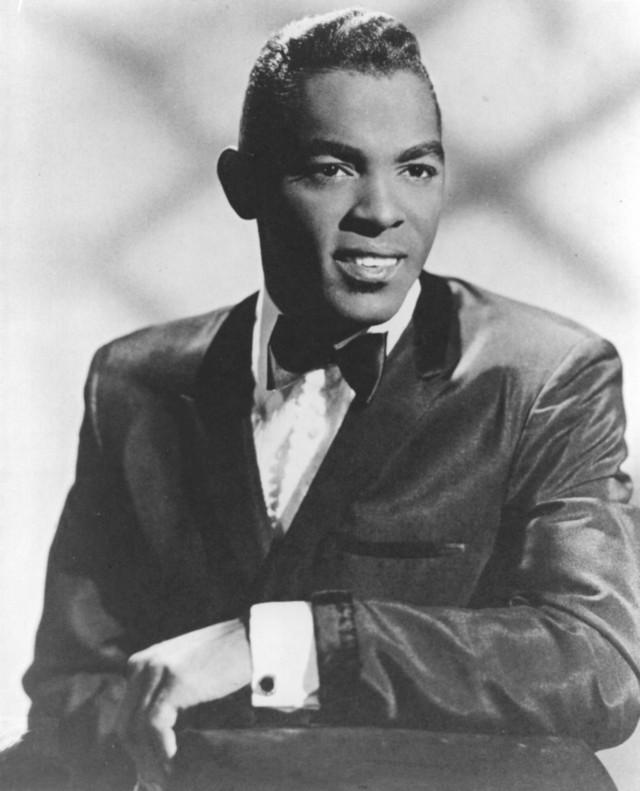
Lou Johnson’s Spotify BioOften dismissed as little more than "the male Dionne Warwick," uptown soul singer Lou Johnson indeed rivaled Warwick as the premier interpreter of the songs of Burt Bacharach and Hal David during the composing team's formative years, but unlike so many of the vocalists who recorded the duo's work, commercial success proved frustratingly elusive. Born in 1941, Johnson first surfaced as a member of the vocal group the Zionettes before going solo in 1963. He signed with Big Top Records, a subsidiary of the Brill Building publishing firm Hill & Range; his debut effort, "Unsatisfied," earned little notice, so Johnson was assigned to the fledgling team of composer Bacharach and lyricist David. With his dramatic, smoky vocals and melodic flexibility, the singer proved ideally matched to Bacharach and David's material: the first of their collaborative efforts, "Magic Potion," remains perhaps more notable for its B-side "Reach Out for Me," recorded by Warwick a few months later in what amounted… to a virtual note-for-note cover. But while Johnson's version was not a hit, Warwick's was -- it was a scenario that would play out several more times in the years to follow. His next single, the stately "(There's) Always Something There to Remind Me," would prove his biggest hit, peaking at number 49 in 1964; Bacharach himself then escorted Johnson to Britain, introducing the singer on the BBC television program Top of the Pops, but again his recording was superseded by a near-identical cover, this time by U.K. girl group queen Sandie Shaw. Johnson's next Bacharach/David-penned effort was arguably his best: the beautiful "Kentucky Bluebird (Send a Message to Martha)" nevertheless failed to crack the Hot 100 altogether, although British teen idol Adam Faith faithfully copied its arrangement on his way to a massive U.K. hit. The B-side of "Kentucky Bluebird," the cult favorite "The Last One to Be Loved," proved Johnson's last session with Bacharach and David at the helm -- somewhat remarkably, their collaborative work would not merit commercial reissue until the release of the three-disc anthology Look of Love: The Burt Bacharach Collection over three decades later. On his own, Johnson recorded a handful of subsequent Big Top singles including "Thank You Anyway (Mr. DJ)" and "Park Avenue" before the label terminated his contract; he next surfaced at Cotillion in 1969, issuing his first-ever full-length LP, the self-explanatory Sweet Southern Soul. After 1971's Volt label release With You in Mind, Johnson's ill-fated recording career finally dwindled to a halt -- in subsequent years he was a fixture of the Los Angeles nightclub circuit, also performing in a latter-day version of the Ink Spots. ~ Jason Ankeny, Rovi
Viberate is a music analytics platform built for A&Rs, artist managers, labels, booking agents, marketers, and artists.
It helps music professionals track artist growth, analyze audience data, monitor playlist activity, compare artists, follow song performance, and identify opportunities across the music market.
Public artist pages provide a free preview of selected artist data. Paid plans provide access to deeper analytics, historical data, charts, comparisons, playlist tools, exports, alerts, reports, and additional professional features.
Yes. Public Viberate artist pages provide selected artist analytics and music data for free.
Viberate also offers a 7-day free trial of the full platform. A credit card is required to start the trial. The trial includes access to the complete product so users can test deeper artist analytics, historical views, playlist insights, comparisons, charts, exports, alerts, and reporting features before choosing a paid plan.
Viberate provides artist analytics across streaming, playlists, social media, video, radio airplay, songs, and audience markets.
Users can analyze Spotify performance, Spotify and Apple Music playlists, YouTube activity, TikTok and Instagram growth, radio spins, song performance, audience locations, demographics, rankings, and overall artist momentum.
Artist profiles also connect to music charts, similar artists, and comparison tools, helping users benchmark performance and evaluate artists in context.
Viberate updates key artist and track data daily.
For followed artists and tracks, selected data is refreshed multiple times per day. This helps teams monitor playlist changes, streaming movement, audience growth, releases, and campaign performance with more current data.
Update frequency can vary depending on the metric and data source.
Yes. Viberate lets users compare up to five artists side by side across streaming, social media, audience, and engagement metrics.
Users can compare fanbase growth, audience demographics, locations, Spotify performance, social metrics, and other artist data over selected time periods.
Artist comparison can be used for A&R scouting, benchmarking, booking decisions, campaign planning, and evaluating artists with similar audiences or market positions.