Lil' Dap

Hip Hop
Contemporary Hip Hop
 Viberate Rank: 241142
 Viberate Rank: 241142
 Monthly ListenersFollowers
 Subscribers
 Followers
 Followers
 FansTop Spotify Songs
| Track | 7-Day Streams | |
|---|---|---|
1 | 14.43K | |
2 | 12.85K | |
3 | 563 | |
4 | 535 | |
5 | 527 |
Top YouTube VideosMonthly ListenersFeatured in Playlists| Playlist | Followers | |
|---|---|---|
1 | felix lobrecht o.s.t. felixlobrecht | 115.17K |
2 | Hip Hop I Grew Up On Mike Shinoda | 73.44K |
3 | Hip Hop Old School 90's Alex CUCS | 47.89K |
4 |  This Is Gang Starr Spotify | 36.80K |
5 |  KESSEL MUSS BRENNEN Daniel Hernes | 18.92K |
Audience| City | Monthly Listeners | |
|---|---|---|
1 |  | 294 |
2 | | 88 |
3 | | 68 |
4 | | 67 |
5 | | 62 |
See full performance history, audience data, playlist activity, rankings, comparisons, and more in Viberate music analytics. Start with a free trial, then continue with a paid plan.
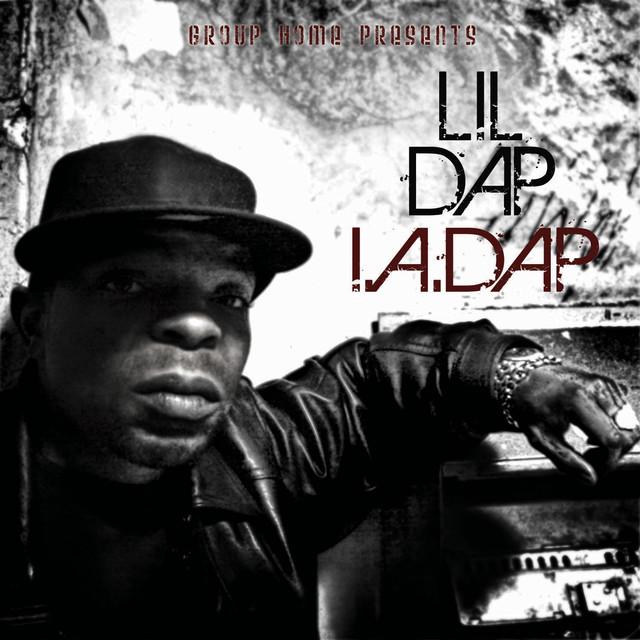
Lil' Dap’s Spotify BioHalf of the DJ Premier-produced golden age duo Group Home, Lil' Dap is an East Coast rapper closely affiliated with Gang Starr. Born James Heath, he made his recording debut in 1992 on the classic Gang Starr album Daily Operation (1992) on the song "I'm the Man." He was also featured on Gang Starr's subsequent album, Hard to Earn (1994), on the song "Speak Ya Clout." Around this same time period, Lil' Dap made his recording debut as half of the duo Group Home on the Gang Starr Foundation Sampler (1993). Produced by DJ Premier and Guru of Gang Starr, the three-track 12" release on Ill Kid Records features the Group Home song "So Called Friends" alongside songs by Dirty Rotten Scoundrels and Big Shug. Also featuring Melachi the Nutcracker, Group Home released their debut single, "Supa Star," in 1994 on Gang Starr's label, Payday; their full-length album debut, Livin' Proof, followed in 1995. Produced almost entirely by DJ Premier, Livin' Proof is a cult classic among Gang Starr aficionad…os. Unfortunately, four long years passed before Group Home's follow-up album, A Tear for the Ghetto (1999), on which DJ Premier produced only one track, "The Legacy." Released this time on Replay Records, A Tear for the Ghetto wasn't as well received as Livin' Proof, more or less marking the end of Group Home's recording career. In the years that followed, little was heard from Lil' Dap. Nearly a decade passed before he mounted a comeback with I-A-Dap (2008), his long-awaited full-length solo album debut. Released on Babygrande, I-A-Dap features production by Large Professor, Big Noyd, and the Alchemist. ~ Jason Birchmeier, Rovi
Viberate is a music analytics platform built for A&Rs, artist managers, labels, booking agents, marketers, and artists.
It helps music professionals track artist growth, analyze audience data, monitor playlist activity, compare artists, follow song performance, and identify opportunities across the music market.
Public artist pages provide a free preview of selected artist data. Paid plans provide access to deeper analytics, historical data, charts, comparisons, playlist tools, exports, alerts, reports, and additional professional features.
Yes. Public Viberate artist pages provide selected artist analytics and music data for free.
Viberate also offers a 7-day free trial of the full platform. A credit card is required to start the trial. The trial includes access to the complete product so users can test deeper artist analytics, historical views, playlist insights, comparisons, charts, exports, alerts, and reporting features before choosing a paid plan.
Viberate provides artist analytics across streaming, playlists, social media, video, radio airplay, songs, and audience markets.
Users can analyze Spotify performance, Spotify and Apple Music playlists, YouTube activity, TikTok and Instagram growth, radio spins, song performance, audience locations, demographics, rankings, and overall artist momentum.
Artist profiles also connect to music charts, similar artists, and comparison tools, helping users benchmark performance and evaluate artists in context.
Viberate updates key artist and track data daily.
For followed artists and tracks, selected data is refreshed multiple times per day. This helps teams monitor playlist changes, streaming movement, audience growth, releases, and campaign performance with more current data.
Update frequency can vary depending on the metric and data source.
Yes. Viberate lets users compare up to five artists side by side across streaming, social media, audience, and engagement metrics.
Users can compare fanbase growth, audience demographics, locations, Spotify performance, social metrics, and other artist data over selected time periods.
Artist comparison can be used for A&R scouting, benchmarking, booking decisions, campaign planning, and evaluating artists with similar audiences or market positions.