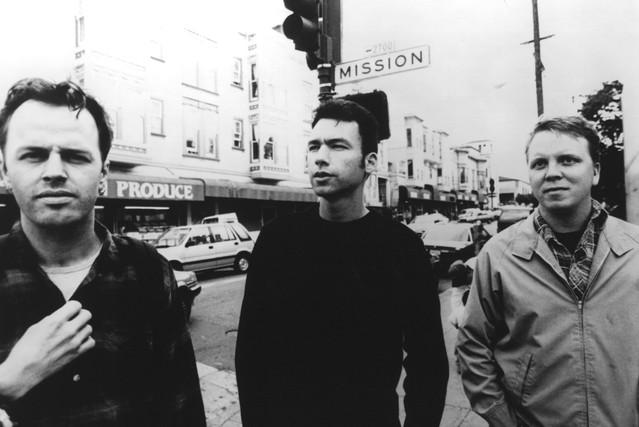
Jawbreaker

Punk
Punk Rock
Pop Punk
 Viberate Rank: 56199
 Viberate Rank: 56199
 Monthly ListenersFollowers
 Subscribers
 Followers
 Followers
 FansTop Spotify Songs
| Track | 7-Day Streams | |
|---|---|---|
1 | 22.04K | |
2 | 9.63K | |
3 | 8.70K | |
4 | 7.97K | |
5 | 7.61K |
Top YouTube Videos| Video | 7-Day Views | |
|---|---|---|
1 | 728 | |
2 | 186 | |
3 | 173 | |
4 | 67 | |
5 | 58 |
Monthly ListenersFeatured in Playlists| Playlist | Followers | |
|---|---|---|
1 |  failure loser core Stinky | 34.66K |
2 |  Watch Dogs 2 PlayStation®️ | 33.73K |
3 |  Watch Dogs Complete Music | Official Playlist Ubisoft Music | 26.88K |
4 |  Early Emo Numero Group | 24.24K |
5 | giant 90s alt/indie/etc playlist PART 1: 1990-1994 Aroon Karvna | 22.13K |
Audience| City | Monthly Listeners | |
|---|---|---|
1 | | 3.37K |
2 | | 3.16K |
3 | | 2.54K |
4 | | 2.27K |
5 | | 1.84K |
See full performance history, audience data, playlist activity, rankings, comparisons, and more in Viberate music analytics. Start with a free trial, then continue with a paid plan.
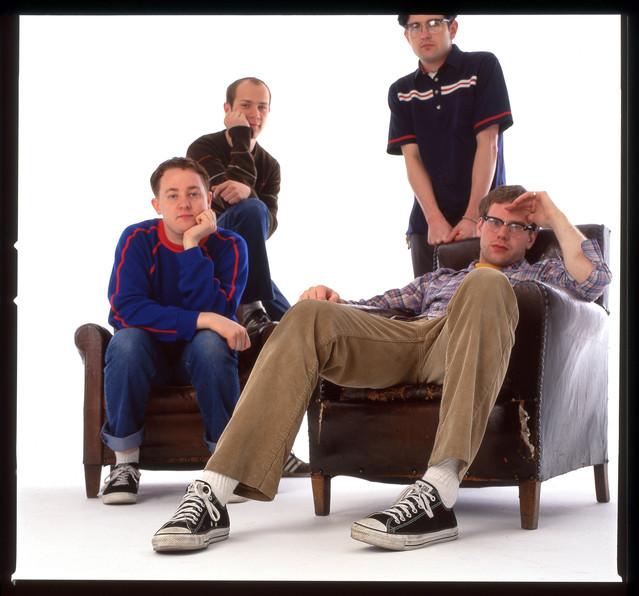
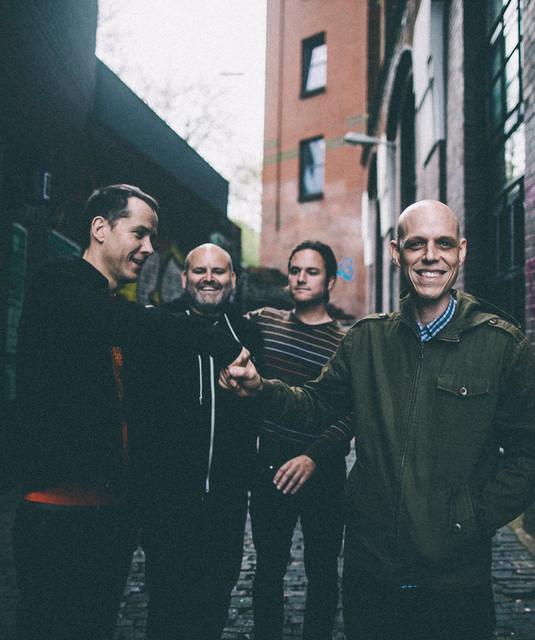
Jawbreaker’s Spotify BioIndependently minded and adhering to the old-school D.I.Y. punk mentality, West Coast punk-pop trio Jawbreaker's street-smart -- yet poetic -- lyrics, spirited musicality, and marathon live shows put them a cut above contemporaries like Green Day and blink-182. After a series of EPs and singles, guitarist/singer Blake Schwarzenbach, bassist Chris Bauermeister, and drummer Adam Pfahler released the band's debut album, Unfun, in 1989. Independent label San Francisco Tupelo/Communion signed the group the following year, releasing Bivouac in 1991 and their breakthrough record, 24 Hour Revenge Therapy, in 1993.
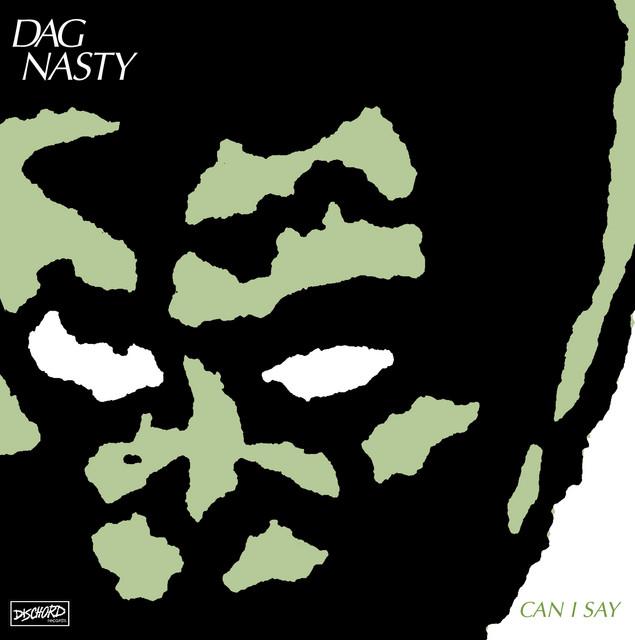
As 1995 saw the first in a three-record deal with DGC, fans were split over the band's newfound success and move to a major label. But Jawbreaker were undeterred, releasing the influential Dear You, a powerhouse collection of punk, grunge, and emo that paved the way for groups like Jimmy Eat World and Dashboard Confessional. Sadly, the group disbanded in the late-'90s, leaving 2002's… Etc., a collection of all of the group's non-album material, as their last will and testament. Dear You was reissued by Blackball in 2004. ~ James Christopher Monger, Rovi
Viberate is a music analytics platform built for A&Rs, artist managers, labels, booking agents, marketers, and artists.
It helps music professionals track artist growth, analyze audience data, monitor playlist activity, compare artists, follow song performance, and identify opportunities across the music market.
Public artist pages provide a free preview of selected artist data. Paid plans provide access to deeper analytics, historical data, charts, comparisons, playlist tools, exports, alerts, reports, and additional professional features.
Yes. Public Viberate artist pages provide selected artist analytics and music data for free.
Viberate also offers a 7-day free trial of the full platform. A credit card is required to start the trial. The trial includes access to the complete product so users can test deeper artist analytics, historical views, playlist insights, comparisons, charts, exports, alerts, and reporting features before choosing a paid plan.
Viberate provides artist analytics across streaming, playlists, social media, video, radio airplay, songs, and audience markets.
Users can analyze Spotify performance, Spotify and Apple Music playlists, YouTube activity, TikTok and Instagram growth, radio spins, song performance, audience locations, demographics, rankings, and overall artist momentum.
Artist profiles also connect to music charts, similar artists, and comparison tools, helping users benchmark performance and evaluate artists in context.
Viberate updates key artist and track data daily.
For followed artists and tracks, selected data is refreshed multiple times per day. This helps teams monitor playlist changes, streaming movement, audience growth, releases, and campaign performance with more current data.
Update frequency can vary depending on the metric and data source.
Yes. Viberate lets users compare up to five artists side by side across streaming, social media, audience, and engagement metrics.
Users can compare fanbase growth, audience demographics, locations, Spotify performance, social metrics, and other artist data over selected time periods.
Artist comparison can be used for A&R scouting, benchmarking, booking decisions, campaign planning, and evaluating artists with similar audiences or market positions.