Lich King

Metal
Thrash Metal
Heavy Metal
 Viberate Rank: 76590
 Viberate Rank: 76590
 Monthly ListenersFollowers
 Subscribers
 Followers
 Followers
 FansTop Spotify Songs
| Track | 7-Day Streams | |
|---|---|---|
1 | 11.13K | |
2 | 3.07K | |
3 | 2.02K | |
4 | 1.78K | |
5 | 1.45K |
Top YouTube VideosMonthly ListenersFeatured in Playlists| Playlist | Followers | |
|---|---|---|
1 |  Thrashers Spotify | 586.86K |
2 | Best of Trash Metal Lomprdik | 86.64K |
3 |  Metal Instrumentals Samidhya Sarker Torsho | 18.16K |
4 |  Heavy Metal Instrumentals 🎸 JaviFlames | 13.79K |
5 |  TRASH METAL⚡️BEST OF THRASH METAL 🔱 THEOCIDE STUDIOS 🔱 | 13.72K |
Audience| City | Monthly Listeners | |
|---|---|---|
1 |  | 1.06K |
2 |  | 909 |
3 |  | 729 |
4 |  | 644 |
5 | | 545 |
See full performance history, audience data, playlist activity, rankings, comparisons, and more in Viberate music analytics. Start with a free trial, then continue with a paid plan.
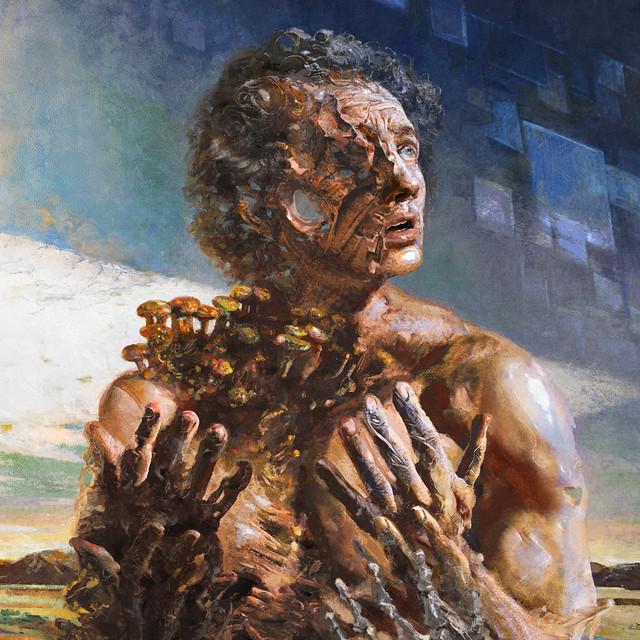
Lich King’s Spotify BioWe're not named after a World of Warcraft character and our 4th album cover has nothing to do with Adventure Time. Thanks so much for asking though.
The point was to create new old-school thrash metal in the vein of Exodus, Vio-Lence, S.O.D., Slayer and others. Lots of bands in the new wave of thrash these days are doing just that, but where we stand out is that we admit it.
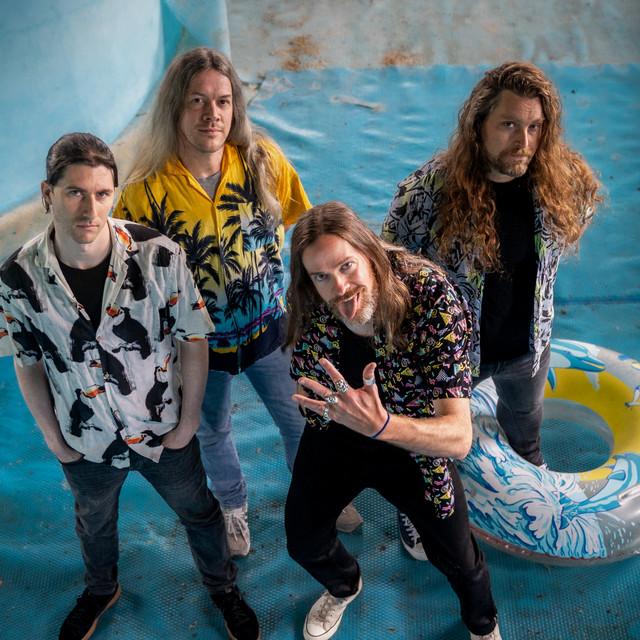
Tom Martin started Lich King as a one-man project around 2004, as a goof. People seemed to like the music. Our first two albums were released as a solo project posing as an actual band. In 2009 Tom cannibalized a local thrash act called AGES AGO and formed Lich King as a true band for the first time.
We think the sound of thrash was perfected in the 80’s and we’re not trying to add anything to the mix. We’re just coming up with riffs and songs that the old masters didn’t. Despite that fact and our best efforts, we seem to be developing a signature sound. Dammit.
We’ve had five full-length albums since 2007. Each… features fast, headbangable riffs in modern stomp anthems, a sometimes comedic yet always violent songwriting sensibility, art and design from Tom Martin, a marked step up in quality from the previous release, and an awesome logo and a mascot.
...A mascot that is not affiliated with a video game.
Viberate is a music analytics platform built for A&Rs, artist managers, labels, booking agents, marketers, and artists.
It helps music professionals track artist growth, analyze audience data, monitor playlist activity, compare artists, follow song performance, and identify opportunities across the music market.
Public artist pages provide a free preview of selected artist data. Paid plans provide access to deeper analytics, historical data, charts, comparisons, playlist tools, exports, alerts, reports, and additional professional features.
Yes. Public Viberate artist pages provide selected artist analytics and music data for free.
Viberate also offers a 7-day free trial of the full platform. A credit card is required to start the trial. The trial includes access to the complete product so users can test deeper artist analytics, historical views, playlist insights, comparisons, charts, exports, alerts, and reporting features before choosing a paid plan.
Viberate provides artist analytics across streaming, playlists, social media, video, radio airplay, songs, and audience markets.
Users can analyze Spotify performance, Spotify and Apple Music playlists, YouTube activity, TikTok and Instagram growth, radio spins, song performance, audience locations, demographics, rankings, and overall artist momentum.
Artist profiles also connect to music charts, similar artists, and comparison tools, helping users benchmark performance and evaluate artists in context.
Viberate updates key artist and track data daily.
For followed artists and tracks, selected data is refreshed multiple times per day. This helps teams monitor playlist changes, streaming movement, audience growth, releases, and campaign performance with more current data.
Update frequency can vary depending on the metric and data source.
Yes. Viberate lets users compare up to five artists side by side across streaming, social media, audience, and engagement metrics.
Users can compare fanbase growth, audience demographics, locations, Spotify performance, social metrics, and other artist data over selected time periods.
Artist comparison can be used for A&R scouting, benchmarking, booking decisions, campaign planning, and evaluating artists with similar audiences or market positions.