HeXeN

Metal
Heavy Metal
Thrash Metal
 Viberate Rank: 184302
 Viberate Rank: 184302
 Monthly ListenersFollowers
 Subscribers
 Followers
 Followers
 FansTop Spotify Songs
| Track | 7-Day Streams | |
|---|---|---|
1 | 3.75K | |
2 | 784 | |
3 | 500 | |
4 | 469 | |
5 | 440 |
Top YouTube VideosMonthly ListenersFeatured in Playlists| Playlist | Followers | |
|---|---|---|
1 |  Thrashers Spotify | 586.86K |
2 | Best of Trash Metal Lomprdik | 86.64K |
3 |  Heavy Metal Instrumentals 🎸 JaviFlames | 13.79K |
4 |  TRASH METAL⚡️BEST OF THRASH METAL 🔱 THEOCIDE STUDIOS 🔱 | 13.72K |
5 |  This is Thrash Metal swtgagrl2184 | 7.43K |
Audience| City | Monthly Listeners | |
|---|---|---|
1 |  | 394 |
2 |  | 306 |
3 |  | 284 |
4 |  | 193 |
5 | | 120 |
See full performance history, audience data, playlist activity, rankings, comparisons, and more in Viberate music analytics. Start with a free trial, then continue with a paid plan.
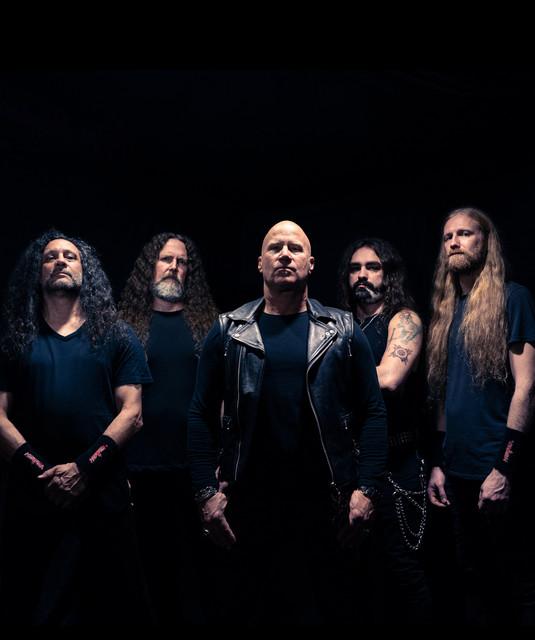
HeXeN’s Spotify BioOne of two new millennium heavy metal bands going by the name of Hexen, this Los Angeles-based quartet (the other hails from New Jersey) was formed in 2003, and quickly established a backwards-looking agenda aimed at revitalizing the classic sounds of '80s metal and thrash with their self-released debut album, Heal a Million...Kill a Million, in 2005. But it turned out that Hexen were slightly ahead of the fashion curve, and were forced to spend the next few years working on their demos and performing in L.A. clubs, while the imminent wave of retro-minded nu-thrashers gathered strength, until it was ready to explode with the emergence of countless bands around the world, including the likes of Municipal Waste, Warbringer, Bonded by Blood, and Evile, to name but a few. Needless to say, Hexen's number was also due to come up, and in 2008, bandmembers Andre Hartoonian (vocals/bass), Ronny Dorian (guitar), James Lopez (guitar), and Carlos Cruz (drums), found a home with Old School Metal… Records for the release of their sophomore outing, State of Insurgency. ~ Eduardo Rivadavia, Rovi
Viberate is a music analytics platform built for A&Rs, artist managers, labels, booking agents, marketers, and artists.
It helps music professionals track artist growth, analyze audience data, monitor playlist activity, compare artists, follow song performance, and identify opportunities across the music market.
Public artist pages provide a free preview of selected artist data. Paid plans provide access to deeper analytics, historical data, charts, comparisons, playlist tools, exports, alerts, reports, and additional professional features.
Yes. Public Viberate artist pages provide selected artist analytics and music data for free.
Viberate also offers a 7-day free trial of the full platform. A credit card is required to start the trial. The trial includes access to the complete product so users can test deeper artist analytics, historical views, playlist insights, comparisons, charts, exports, alerts, and reporting features before choosing a paid plan.
Viberate provides artist analytics across streaming, playlists, social media, video, radio airplay, songs, and audience markets.
Users can analyze Spotify performance, Spotify and Apple Music playlists, YouTube activity, TikTok and Instagram growth, radio spins, song performance, audience locations, demographics, rankings, and overall artist momentum.
Artist profiles also connect to music charts, similar artists, and comparison tools, helping users benchmark performance and evaluate artists in context.
Viberate updates key artist and track data daily.
For followed artists and tracks, selected data is refreshed multiple times per day. This helps teams monitor playlist changes, streaming movement, audience growth, releases, and campaign performance with more current data.
Update frequency can vary depending on the metric and data source.
Yes. Viberate lets users compare up to five artists side by side across streaming, social media, audience, and engagement metrics.
Users can compare fanbase growth, audience demographics, locations, Spotify performance, social metrics, and other artist data over selected time periods.
Artist comparison can be used for A&R scouting, benchmarking, booking decisions, campaign planning, and evaluating artists with similar audiences or market positions.