Evile

Metal
Thrash Metal
Speed Metal
 Viberate Rank: 64328
 Viberate Rank: 64328
 Monthly ListenersFollowers
 Subscribers
 Followers
 Followers
 FansTop Spotify Songs
| Track | 7-Day Streams | |
|---|---|---|
1 | 20.08K | |
2 | 10.02K | |
3 | 6.52K | |
4 | 3.51K | |
5 | 3.46K |
Top YouTube VideosMonthly ListenersFeatured in Playlists| Playlist | Followers | |
|---|---|---|
1 |  Thrashers Spotify | 586.86K |
2 | Best of Trash Metal Lomprdik | 86.64K |
3 | sad metal songs. Sebastian Finta | 78.46K |
4 |  Power Speed and Metal Chris Entonie | 38.53K |
5 |  Greatest Metal Songs of All Time Jake Smith | 37.28K |
Audience| City | Monthly Listeners | |
|---|---|---|
1 |  | 3.04K |
2 |  | 2.50K |
3 |  | 2.02K |
4 |  | 1.81K |
5 |  | 791 |
See full performance history, audience data, playlist activity, rankings, comparisons, and more in Viberate music analytics. Start with a free trial, then continue with a paid plan.
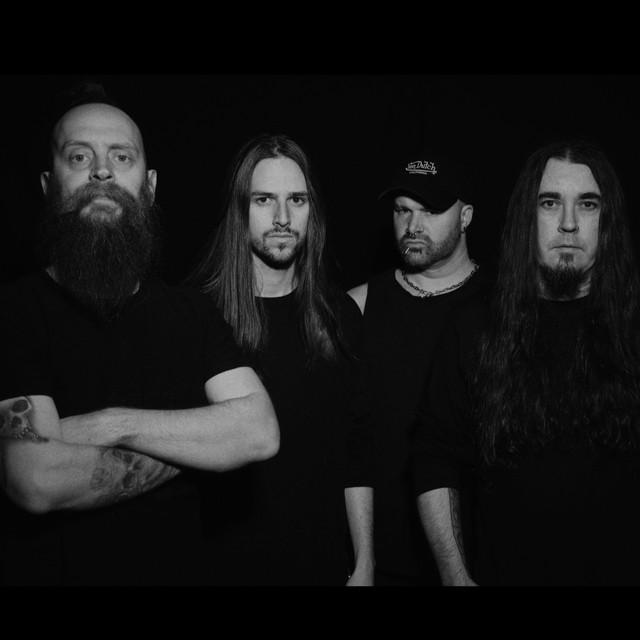
Evile’s Spotify BioEngland's Evile were formed in 2002, the quartet is comprised Ol Drake (vocals & lead guitar), Joel Graham (bass), Ben Carter (drums), and Adam Smith (rhythm guitar). Evile recorded a self-produced EP entitled All Hallows Eve in '04 and Several demos followed, and after being voted the U.K.'s best unsigned act by readers of Terrorizer magazine, Evile were quickly snapped up by Earache Records, releasing their debut long-player, Enter the Grave, in the fall of 2007. They followed this by supporting the legendary Megadeth on their European leg of their tour in 2008. The band went from strength to strength during this year, with their track "Thrasher" being included on the video game Rock Band. The band released their 2nd album Infected Nations in September 2009 but tragedy struck when founding bassist Mike Alexander sadly passed away while on tour in Sweden. OL Drake left the band in 2013 and the band were quiet until he rejoined in 2018. Matt Drake (vocals & rhythm guitar) left the band… in 2020, with his brother, OL then taking over the vocal duties on the 2021 album "Hell Unleashed." Their 6th album "The Unknown" is out now; a heavy, soaring melodic journey through real-life issues with crushing riffs.
Viberate is a music analytics platform built for A&Rs, artist managers, labels, booking agents, marketers, and artists.
It helps music professionals track artist growth, analyze audience data, monitor playlist activity, compare artists, follow song performance, and identify opportunities across the music market.
Public artist pages provide a free preview of selected artist data. Paid plans provide access to deeper analytics, historical data, charts, comparisons, playlist tools, exports, alerts, reports, and additional professional features.
Yes. Public Viberate artist pages provide selected artist analytics and music data for free.
Viberate also offers a 7-day free trial of the full platform. A credit card is required to start the trial. The trial includes access to the complete product so users can test deeper artist analytics, historical views, playlist insights, comparisons, charts, exports, alerts, and reporting features before choosing a paid plan.
Viberate provides artist analytics across streaming, playlists, social media, video, radio airplay, songs, and audience markets.
Users can analyze Spotify performance, Spotify and Apple Music playlists, YouTube activity, TikTok and Instagram growth, radio spins, song performance, audience locations, demographics, rankings, and overall artist momentum.
Artist profiles also connect to music charts, similar artists, and comparison tools, helping users benchmark performance and evaluate artists in context.
Viberate updates key artist and track data daily.
For followed artists and tracks, selected data is refreshed multiple times per day. This helps teams monitor playlist changes, streaming movement, audience growth, releases, and campaign performance with more current data.
Update frequency can vary depending on the metric and data source.
Yes. Viberate lets users compare up to five artists side by side across streaming, social media, audience, and engagement metrics.
Users can compare fanbase growth, audience demographics, locations, Spotify performance, social metrics, and other artist data over selected time periods.
Artist comparison can be used for A&R scouting, benchmarking, booking decisions, campaign planning, and evaluating artists with similar audiences or market positions.