LFO

Electronic
Minimal Techno
 Viberate Rank: 177451
 Viberate Rank: 177451
 Monthly ListenersFollowers
 Subscribers
 Followers
 Followers
 FansTop Spotify Songs
| Track | 7-Day Streams | |
|---|---|---|
1 | 21.97K | |
2 | 3.88K | |
3 | 2.25K | |
4 | 2.25K | |
5 | 1.74K |
Top YouTube VideosMonthly ListenersFeatured in Playlists| Playlist | Followers | |
|---|---|---|
1 |  Rave Classics Spotify | 374.22K |
2 |  IDM Essentials Spotify | 204.19K |
3 |  303 Classics Spotify | 154.73K |
4 |  90s Rave Classics Tom Bantica | 153.04K |
5 |  Best House & Club Tracks | Defected Defected Records | 109.22K |
Audience| City | Monthly Listeners | |
|---|---|---|
1 | | 3.74K |
2 | | 1.66K |
3 |  | 884 |
4 | | 849 |
5 |  | 839 |
See full performance history, audience data, playlist activity, rankings, comparisons, and more in Viberate music analytics. Start with a free trial, then continue with a paid plan.
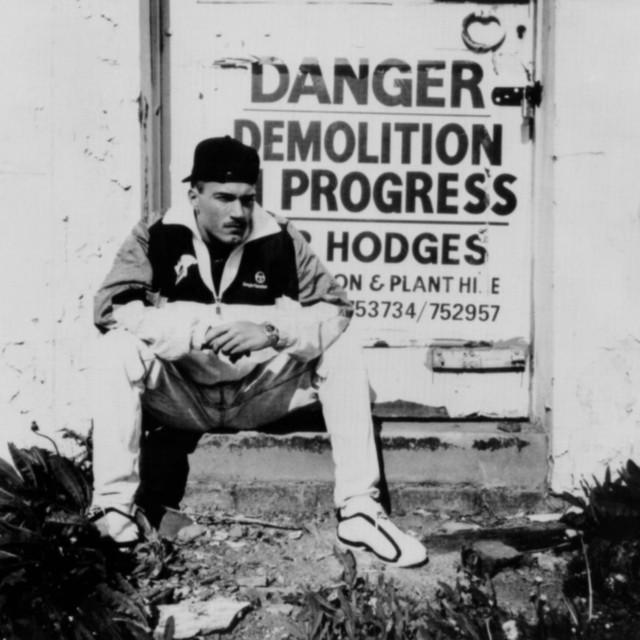
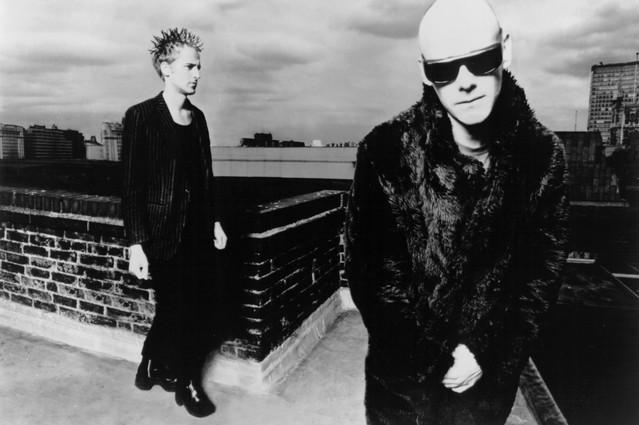
LFO’s Spotify BioThe Sheffield techno duo of Mark Bell and Gez Varley have a reputation that, at first glance, might seem to exceed their abilities. Having released only two records and not many more singles while they worked together, the pair's apparently meager contribution would hardly seem to bear out the claim that they were one of British techno's most important, agenda-setting groups. Nonetheless, early singles such as "We Are Back," "Freeze," and "Love Is the Message" from their debut Frequencies, as well as "Tied Up" from their second disc, Advance, have indelibly marked British techno with Detroit's progressiveness, electro's funk, and an unflinching, uniquely British experimentalism.
Taking their name from the foundational component of the synthesizers -- the low frequency oscillator (kind of like calling a rock group "Power Chord") -- the pair were approached by the Sheffield-based Warp label in the late '80s after tapes the pair had put together on some junky, second-hand equipment caught… the ears of local DJs and the dancefloors of local clubs. Both Bell and Varley admit to roots in the early- and mid-'80s hip-hop and electro invasions, as well as the more obvious British acid house explosion, and their affectation for thick, electronic breaks, vocoder samples, and sparse, modal melodies derived largely from that source. (LFO were also one of only a few -- with 808 State and Coldcut -- to find domestic reissue through the New York-based hip-hop label Tommy Boy, making obvious a connection between British experimental techno and American hip-hop and electro-funk.) Releasing their bass-heavy debut in 1991 to universal acclaim, the pair were silent for the next five years, with rumors of a follow-up surfacing from time to time failing to produce anything. Reportedly working with early Depeche Mode member Alan Wilder and Karl Bartos of Kraftwerk (none of that material has ever seen light), LFO finally resurfaced in 1995 with the ironically titled "Tied Up," followed several months later by Advance. The group also remixed tracks for Björk and the Sabres of Paradise, but dissolved the partnership soon after. Varley went on to a solo career, while Bell began an intermittent production career, working on tracks for Björk's Homogenic LP of 1997 and Depeche Mode's Exciter from 2001. After resolving what Warp called his mid-range crisis, Bell returned with the third LFO full-length, Sheath, in the fall of 2003 (officially, it was the first without Varley). ~ Sean Cooper, Rovi
Viberate is a music analytics platform built for A&Rs, artist managers, labels, booking agents, marketers, and artists.
It helps music professionals track artist growth, analyze audience data, monitor playlist activity, compare artists, follow song performance, and identify opportunities across the music market.
Public artist pages provide a free preview of selected artist data. Paid plans provide access to deeper analytics, historical data, charts, comparisons, playlist tools, exports, alerts, reports, and additional professional features.
Yes. Public Viberate artist pages provide selected artist analytics and music data for free.
Viberate also offers a 7-day free trial of the full platform. A credit card is required to start the trial. The trial includes access to the complete product so users can test deeper artist analytics, historical views, playlist insights, comparisons, charts, exports, alerts, and reporting features before choosing a paid plan.
Viberate provides artist analytics across streaming, playlists, social media, video, radio airplay, songs, and audience markets.
Users can analyze Spotify performance, Spotify and Apple Music playlists, YouTube activity, TikTok and Instagram growth, radio spins, song performance, audience locations, demographics, rankings, and overall artist momentum.
Artist profiles also connect to music charts, similar artists, and comparison tools, helping users benchmark performance and evaluate artists in context.
Viberate updates key artist and track data daily.
For followed artists and tracks, selected data is refreshed multiple times per day. This helps teams monitor playlist changes, streaming movement, audience growth, releases, and campaign performance with more current data.
Update frequency can vary depending on the metric and data source.
Yes. Viberate lets users compare up to five artists side by side across streaming, social media, audience, and engagement metrics.
Users can compare fanbase growth, audience demographics, locations, Spotify performance, social metrics, and other artist data over selected time periods.
Artist comparison can be used for A&R scouting, benchmarking, booking decisions, campaign planning, and evaluating artists with similar audiences or market positions.