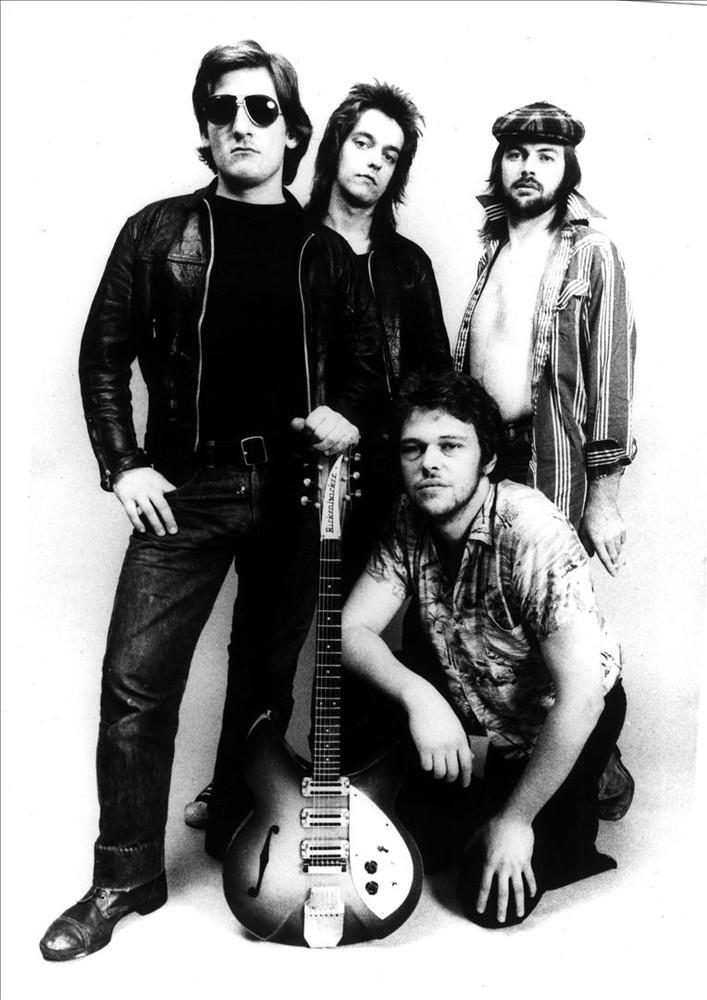
Lew Lewis

Rock
Rockabilly
Garage Rock
 Viberate Rank: 411338
 Viberate Rank: 411338
 Monthly ListenersFollowers
 Subscribers
 Followers
 Followers
 FansTop Spotify Songs
| Track | 7-Day Streams | |
|---|---|---|
1 | 608 | |
2 | 227 | |
3 | 141 | |
4 | 119 | |
5 | 94 |
Top YouTube VideosMonthly ListenersFeatured in Playlists| Playlist | Followers | |
|---|---|---|
1 |  Blues, Rock´n Roll and Boogie Woogie 1 Urban Mathiasson | 2.92K |
2 | Blues & Boogie Rock elidma | 2.37K |
3 |  60s-80s Classic Rock Ultimate Mix (1965-89) Wolf Van Track | 2.01K |
4 | Cuines 3Cat | 2.00K |
5 |  LONDON NITE ロンドンナイト rizlezr | 1.93K |
Audience| City | Monthly Listeners | |
|---|---|---|
1 | | 62 |
2 |  | 43 |
3 |  | 32 |
4 |  | 27 |
5 |  | 24 |
See full performance history, audience data, playlist activity, rankings, comparisons, and more in Viberate music analytics. Start with a free trial, then continue with a paid plan.
Lew Lewis’ Spotify BioHarmonica player/vocalist Lew Lewis made one album for Stiff Records in 1979, Save the Wail, as well as a couple of 1979-1980 singles for Stiff, and an earlier one for United Artists. Before going solo he'd been in Eddie & the Hot Rods, though he was kicked out of that notable pub rock-new wave crossover band after their 1976 debut single, "Writing on the Wall"/"Cruisin' in the Lincoln." Lewis was a good, bluesy Little Walter-influenced harmonica player, but only an adequate, colorless singer. His solo records are pedestrian interfaces between pub rock and blues-rock, notable only to pub rock and Stiff Records completists. The 2002 CD reissue of Save the Wail puts most of his legacy in one place by adding the two Stiff singles (though not the United Artists one), as well as live material from 1977 and 1979. Sadly, in 1987 Lewis was sentenced to seven years in prison for holding up a post office with a fake pistol. ~ Richie Unterberger, Rovi
Viberate is a music analytics platform built for A&Rs, artist managers, labels, booking agents, marketers, and artists.
It helps music professionals track artist growth, analyze audience data, monitor playlist activity, compare artists, follow song performance, and identify opportunities across the music market.
Public artist pages provide a free preview of selected artist data. Paid plans provide access to deeper analytics, historical data, charts, comparisons, playlist tools, exports, alerts, reports, and additional professional features.
Yes. Public Viberate artist pages provide selected artist analytics and music data for free.
Viberate also offers a 7-day free trial of the full platform. A credit card is required to start the trial. The trial includes access to the complete product so users can test deeper artist analytics, historical views, playlist insights, comparisons, charts, exports, alerts, and reporting features before choosing a paid plan.
Viberate provides artist analytics across streaming, playlists, social media, video, radio airplay, songs, and audience markets.
Users can analyze Spotify performance, Spotify and Apple Music playlists, YouTube activity, TikTok and Instagram growth, radio spins, song performance, audience locations, demographics, rankings, and overall artist momentum.
Artist profiles also connect to music charts, similar artists, and comparison tools, helping users benchmark performance and evaluate artists in context.
Viberate updates key artist and track data daily.
For followed artists and tracks, selected data is refreshed multiple times per day. This helps teams monitor playlist changes, streaming movement, audience growth, releases, and campaign performance with more current data.
Update frequency can vary depending on the metric and data source.
Yes. Viberate lets users compare up to five artists side by side across streaming, social media, audience, and engagement metrics.
Users can compare fanbase growth, audience demographics, locations, Spotify performance, social metrics, and other artist data over selected time periods.
Artist comparison can be used for A&R scouting, benchmarking, booking decisions, campaign planning, and evaluating artists with similar audiences or market positions.