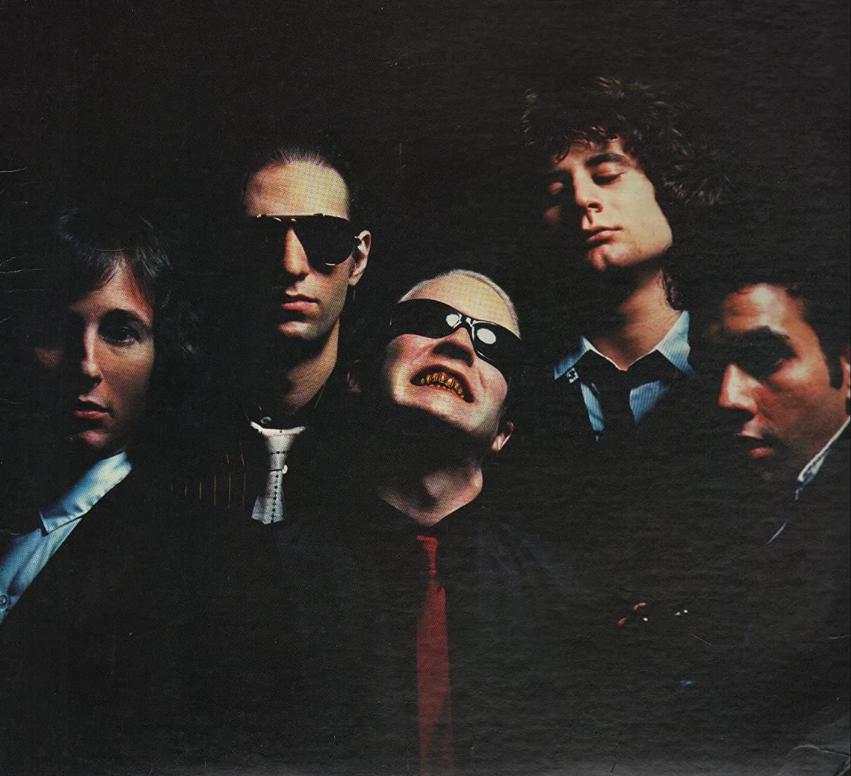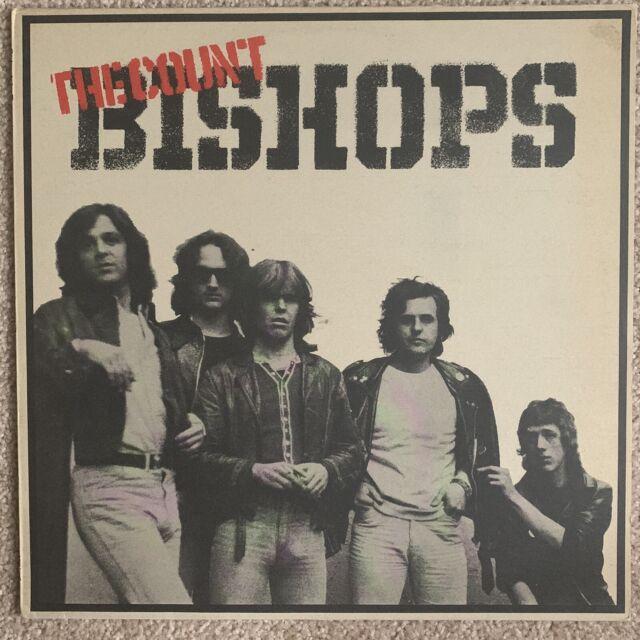
The Count Bishops

Rock
Indie Rock
Garage Rock
Rockabilly
 Viberate Rank: 381670
 Viberate Rank: 381670
 Monthly ListenersFollowers
 Subscribers
 Followers
 Followers
 FansTop Spotify Songs
| Track | 7-Day Streams | |
|---|---|---|
1 | 374 | |
2 | 162 | |
3 | 97 | |
4 | 76 | |
5 | 66 |
Top YouTube VideosMonthly ListenersFeatured in Playlists| Playlist | Followers | |
|---|---|---|
1 |  El Sótano de Radio 3 Groovyfamily | 9.84K |
2 |  Dropkick Murphys Pre Show Playlist dropkickmurphysofficial | 7.21K |
3 |  Classic Punk-Rock Mariettela | 6.40K |
4 |  Garage Punk Jorge Ramos | 5.89K |
5 |  Soul Jazz Records Martin Abrams | 5.42K |
Audience| City | Monthly Listeners | |
|---|---|---|
1 | | 49 |
2 |  | 41 |
3 |  | 38 |
4 |  | 29 |
5 |  | 24 |
See full performance history, audience data, playlist activity, rankings, comparisons, and more in Viberate music analytics. Start with a free trial, then continue with a paid plan.
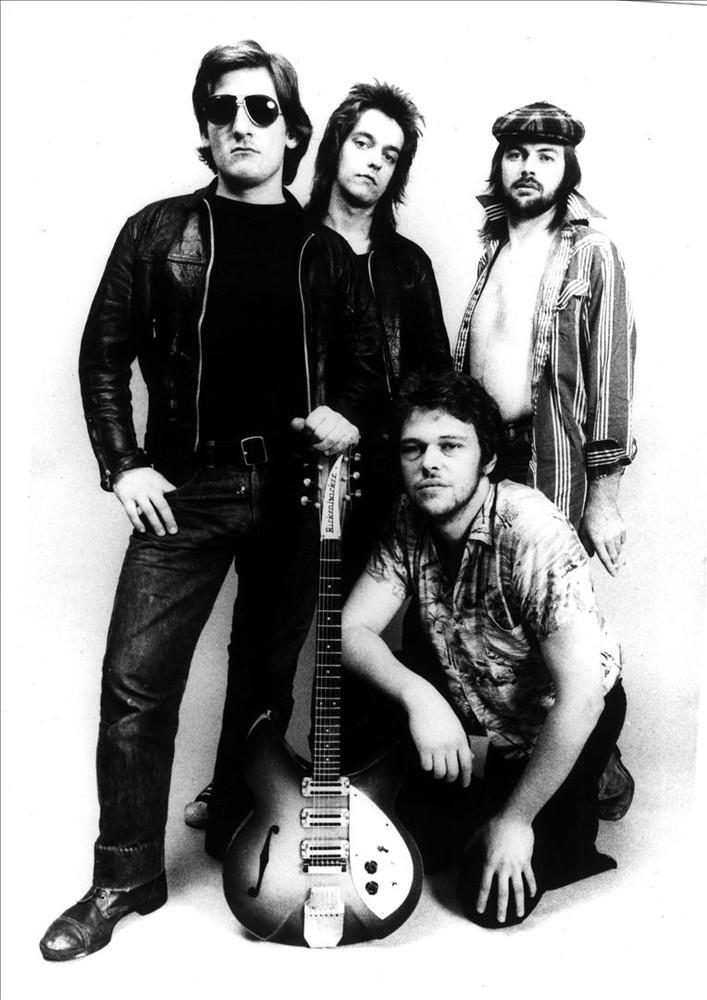
The Count Bishops’ Spotify BioAlthough amounting to little more than a footnote in the early days of English punk rock, the Count Bishops were a fine, energetic, R&B-based band capable of kicking out a fierce racket of noise that sounded like a grimier version of seminal British R&B revivalists Dr. Feelgood. Originally fronted by journeyman American singer Mike Spencer, the Count Bishops' 1975 debut EP, Speedball, released on Ted Carroll's wonderful Chiswick Records, was a straight-ahead slice of R&B that featured the spooky, exhilarating "Train, Train." Surprisingly, the band unceremoniously dumped Spencer and recorded their self-titled debut with fellow Englishman Dave Tice, who had a voice so gruff it sounded as though he gargled with ground glass. A ripsnorting live record followed (by this time they had dropped "Count" from their name), but it was clear that the band was simply treading water. By 1979, the thoroughly mediocre Cross Cuts was released to public apathy, guitarist Zenon de Fleur was killed in a… car wreck, and lead guitarist Johnny Guitar hooked up with Dr. Feelgood. The Bishops called it a career. ~ John Dougan, Rovi
Viberate is a music analytics platform built for A&Rs, artist managers, labels, booking agents, marketers, and artists.
It helps music professionals track artist growth, analyze audience data, monitor playlist activity, compare artists, follow song performance, and identify opportunities across the music market.
Public artist pages provide a free preview of selected artist data. Paid plans provide access to deeper analytics, historical data, charts, comparisons, playlist tools, exports, alerts, reports, and additional professional features.
Yes. Public Viberate artist pages provide selected artist analytics and music data for free.
Viberate also offers a 7-day free trial of the full platform. A credit card is required to start the trial. The trial includes access to the complete product so users can test deeper artist analytics, historical views, playlist insights, comparisons, charts, exports, alerts, and reporting features before choosing a paid plan.
Viberate provides artist analytics across streaming, playlists, social media, video, radio airplay, songs, and audience markets.
Users can analyze Spotify performance, Spotify and Apple Music playlists, YouTube activity, TikTok and Instagram growth, radio spins, song performance, audience locations, demographics, rankings, and overall artist momentum.
Artist profiles also connect to music charts, similar artists, and comparison tools, helping users benchmark performance and evaluate artists in context.
Viberate updates key artist and track data daily.
For followed artists and tracks, selected data is refreshed multiple times per day. This helps teams monitor playlist changes, streaming movement, audience growth, releases, and campaign performance with more current data.
Update frequency can vary depending on the metric and data source.
Yes. Viberate lets users compare up to five artists side by side across streaming, social media, audience, and engagement metrics.
Users can compare fanbase growth, audience demographics, locations, Spotify performance, social metrics, and other artist data over selected time periods.
Artist comparison can be used for A&R scouting, benchmarking, booking decisions, campaign planning, and evaluating artists with similar audiences or market positions.