Nine Below Zero

Blues
Blues Rock
Pop Rock
 Viberate Rank: 183072
 Viberate Rank: 183072
 Monthly ListenersFollowers
 Subscribers
 Followers
 Followers
 FansTop Spotify Songs
| Track | 7-Day Streams | |
|---|---|---|
1 | 1.35K | |
2 | 540 | |
3 | 412 | |
4 | 401 | |
5 | 346 |
Top YouTube VideosMonthly ListenersFeatured in Playlists| Playlist | Followers | |
|---|---|---|
1 |  Slow Blues & Blues Rock | Don's Tunes Don's Tunes | 19.74K |
2 | British Punk Rock (1976 - Present) Punkyn | 14.78K |
3 |  El Sótano de Radio 3 Groovyfamily | 9.84K |
4 | Glastonbury 2016 RM | 3.79K |
5 |  Blues, Rock´n Roll and Boogie Woogie 1 Urban Mathiasson | 2.92K |
Audience| City | Monthly Listeners | |
|---|---|---|
1 | | 607 |
2 | | 240 |
3 |  | 174 |
4 | | 167 |
5 |  | 160 |
See full performance history, audience data, playlist activity, rankings, comparisons, and more in Viberate music analytics. Start with a free trial, then continue with a paid plan.
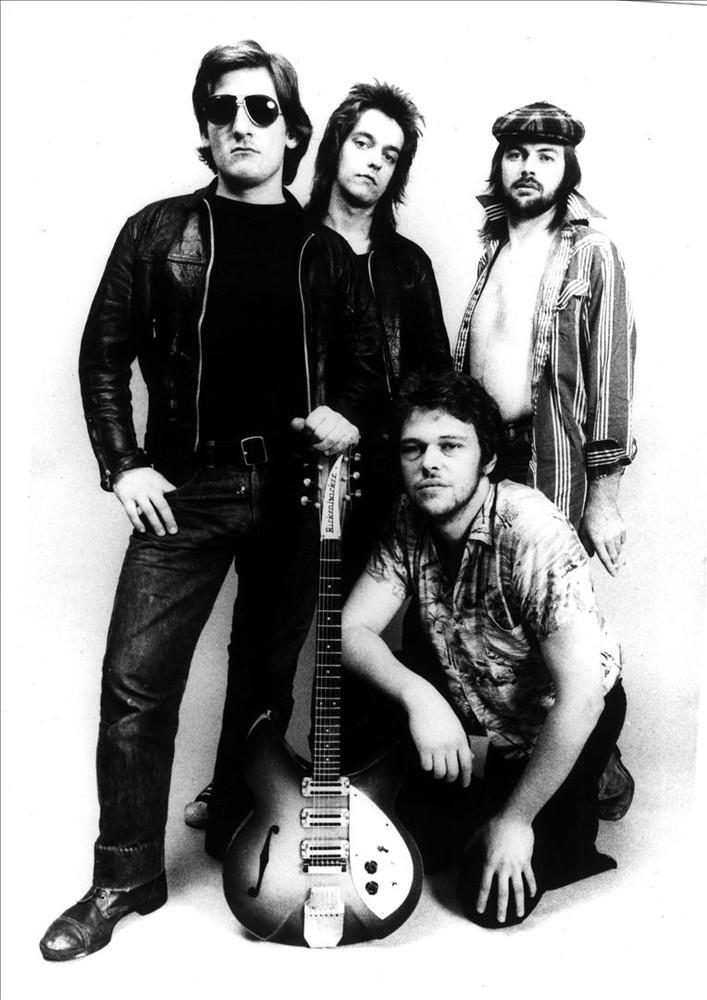
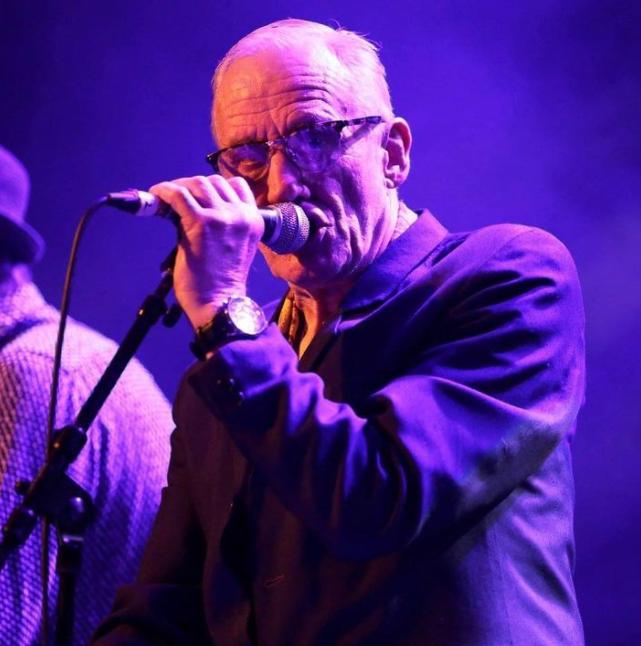
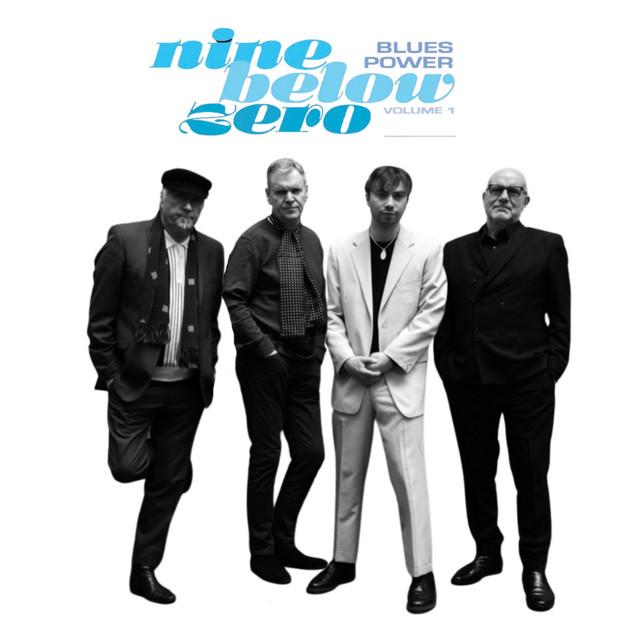
Nine Below Zero’s Spotify BioNine Below Zero started life in South London during 1977, in the midst of the punk rock boom in England -- but their sound and inspiration were so totally counterintuitive to what was going on in punk rock that they scarcely seemed to be part of that movement, apart from their extremely energetic attack on their instruments. Rather than noise for its own sake or auto-destruction, their inspiration lay in classic Chicago blues (though John Mayall's early music and that of the Who and the Kinks from early in their careers also figured into their sound). Dennis Greaves (lead vocals, guitar), Peter Clark (bass), and Kenny Bradley (drums) -- soon joined by Mark Feltham (who actually replaced a teacher of theirs who had sat in on the early gigs) on vocals and harmonica -- were schoolmates and friends who shared a love of blues; all had all come into the world in the early '60s, and might well have resigned themselves to having missed the boat for the British blues revival by virtue of having… been born in the midst of it. Instead, they reached back to that era and found themselves pegged as part of the "mod revival" in the midst of the punk era.
Originally billed as Stan's Blues Band, they made a name for themselves locally in South London, sounding a lot like the Who from their "maximum R&B" days and the Kinks from their early days, and arrived as younger rivals to Dr. Feelgood. A couple of years later, they acquired a manager and a new name, taken from a song by Sonny Boy Williamson II, and cut a debut record on their own label. By 1980, they'd been signed to A&M Records' British division and took the bold step of making their major-label debut a live album from the Marquee Club in London -- to judge from the results, one heartily wished that some of the earlier bands that inspired them had displayed similar daring. Live at the Marquee, recorded on June 16, 1980 -- by which time Stix Burkey had replaced Bradley on the drums -- was a success and led to their follow-up album. For their sophomore effort, Don't Point Your Finger, they were determined to translate their live energy into the studio and turned to no less a producer than Glyn Johns, who had worked with the Rolling Stones and the Who in their respective best years. The resulting record reached number 56 on the British charts.
The band's upward momentum was slowed in the years that followed, with Clark's departure (replaced by Brian Berhall), though a third album, Third Degree, followed -- but it seemed as though the moment had passed, as that record never got the attention or recognition it deserved from the press or the public. Greaves' involvement with an outfit called the Truth, who coalesced as a full-time band in 1984, seemed to bring an end to Nine Below Zero, and that might have been as far as the group got. But a 1990 reunion got them playing before sell-out audiences, and the group has been working ever since, with Greaves on lead guitar and Mark Feltham even returning to the fold in 2001. ~ Bruce Eder, Rovi
Viberate is a music analytics platform built for A&Rs, artist managers, labels, booking agents, marketers, and artists.
It helps music professionals track artist growth, analyze audience data, monitor playlist activity, compare artists, follow song performance, and identify opportunities across the music market.
Public artist pages provide a free preview of selected artist data. Paid plans provide access to deeper analytics, historical data, charts, comparisons, playlist tools, exports, alerts, reports, and additional professional features.
Yes. Public Viberate artist pages provide selected artist analytics and music data for free.
Viberate also offers a 7-day free trial of the full platform. A credit card is required to start the trial. The trial includes access to the complete product so users can test deeper artist analytics, historical views, playlist insights, comparisons, charts, exports, alerts, and reporting features before choosing a paid plan.
Viberate provides artist analytics across streaming, playlists, social media, video, radio airplay, songs, and audience markets.
Users can analyze Spotify performance, Spotify and Apple Music playlists, YouTube activity, TikTok and Instagram growth, radio spins, song performance, audience locations, demographics, rankings, and overall artist momentum.
Artist profiles also connect to music charts, similar artists, and comparison tools, helping users benchmark performance and evaluate artists in context.
Viberate updates key artist and track data daily.
For followed artists and tracks, selected data is refreshed multiple times per day. This helps teams monitor playlist changes, streaming movement, audience growth, releases, and campaign performance with more current data.
Update frequency can vary depending on the metric and data source.
Yes. Viberate lets users compare up to five artists side by side across streaming, social media, audience, and engagement metrics.
Users can compare fanbase growth, audience demographics, locations, Spotify performance, social metrics, and other artist data over selected time periods.
Artist comparison can be used for A&R scouting, benchmarking, booking decisions, campaign planning, and evaluating artists with similar audiences or market positions.