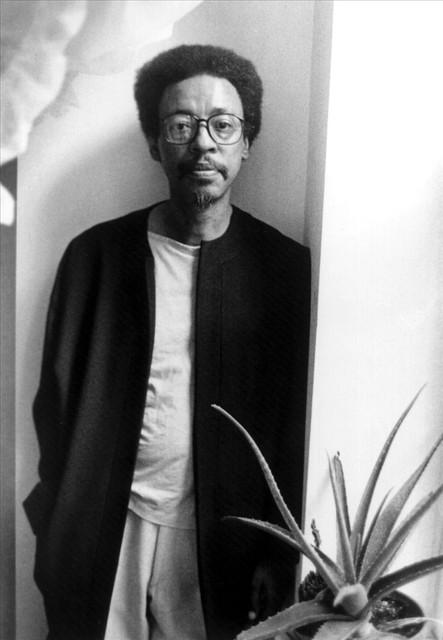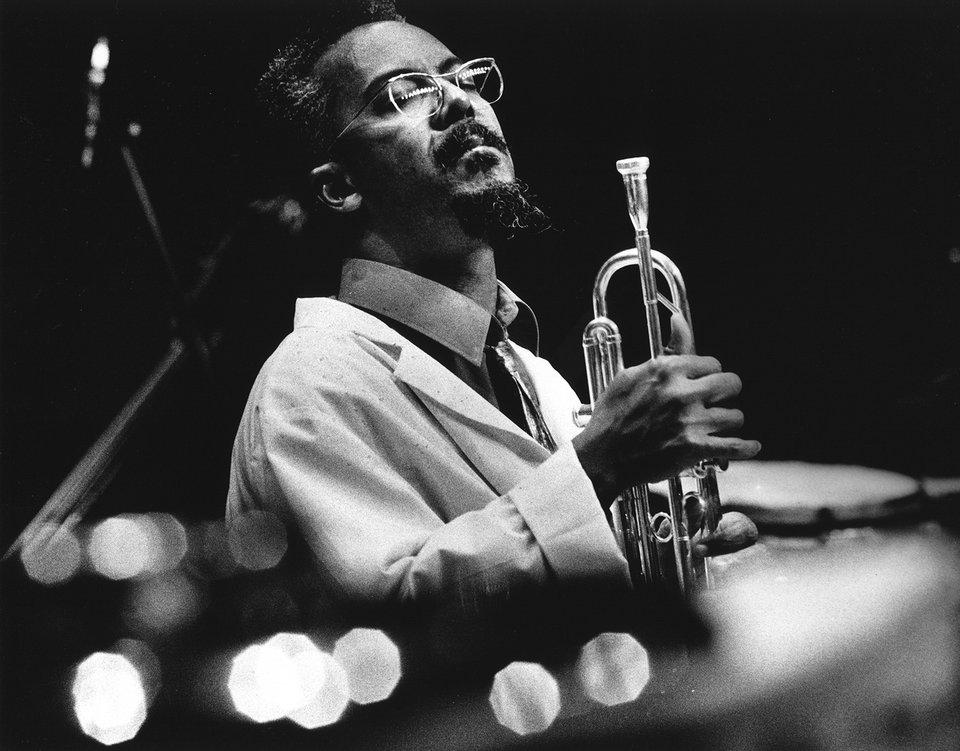
Lester Bowie

Jazz
Free Jazz
 Viberate Rank: 286078
 Viberate Rank: 286078
 Monthly ListenersFollowers
 Subscribers
 Followers
 Followers
 FansTop Spotify Songs
| Track | 7-Day Streams | |
|---|---|---|
1 | 1.72K | |
2 | 127 | |
3 | 56 | |
4 | 48 | |
5 | 47 |
Top YouTube VideosMonthly ListenersFeatured in Playlists| Playlist | Followers | |
|---|---|---|
1 |  Jazz Trumpet Spotify | 93.01K |
2 |  The Sound of Free Jazz The Sounds of Spotify | 10.46K |
3 |  Publique - Jazz Robbie Shilstone | 9.12K |
4 | Burning Jazz-rock Fusion fusionprogguy | 8.92K |
5 |  Deep Spiritual Jazz Neil Lampert | 7.31K |
Audience| City | Monthly Listeners | |
|---|---|---|
1 |  | 83 |
2 |  | 80 |
3 | | 77 |
4 |  | 75 |
5 |  | 66 |
See full performance history, audience data, playlist activity, rankings, comparisons, and more in Viberate music analytics. Start with a free trial, then continue with a paid plan.
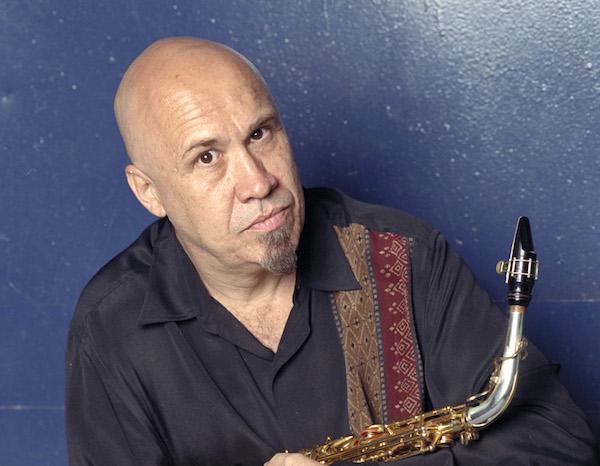
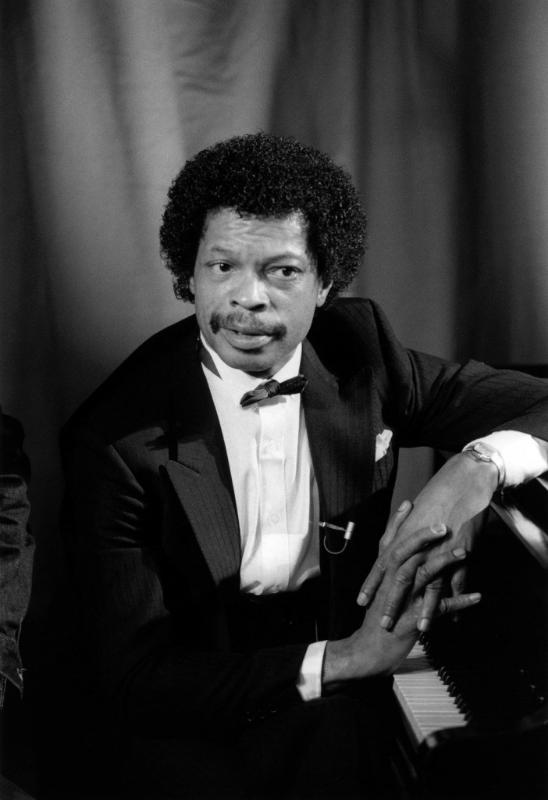
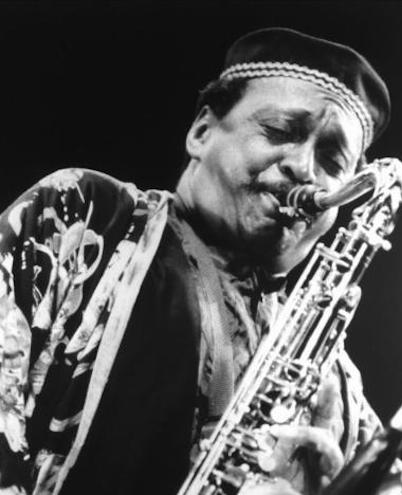
Lester Bowie’s Spotify BioFrom the 1970s until his death in 1999, Lester Bowie was the preeminent trumpeter of the jazz avant-garde -- one of the few trumpet players of his generation to adopt the techniques of free jazz successfully and completely. Indeed, Bowie was the most successful in translating the expressive demands of the music -- so well suited to the tonally pliant saxophone -- to the more difficult-to-manipulate brass instrument. Like a saxophonist such as David Murray or Eric Dolphy, Bowie invested his sound with a variety of timbral effects; his work had a more vocal quality when compared with that of most contemporary trumpeters. In a sense, he was a throwback to the pre-modern jazz of Cootie Williams or Bubber Miley, though Bowie was by no means a revivalist. Though he was certainly not afraid to appropriate the growls, whinnies, slurs, and slides of the early jazzers, it was always in the service of a thoroughly modern sensibility. And Bowie had chops; his style was quirky, to be sure, but… grounded in fundamental jazz concepts of melody, harmony, and rhythm.
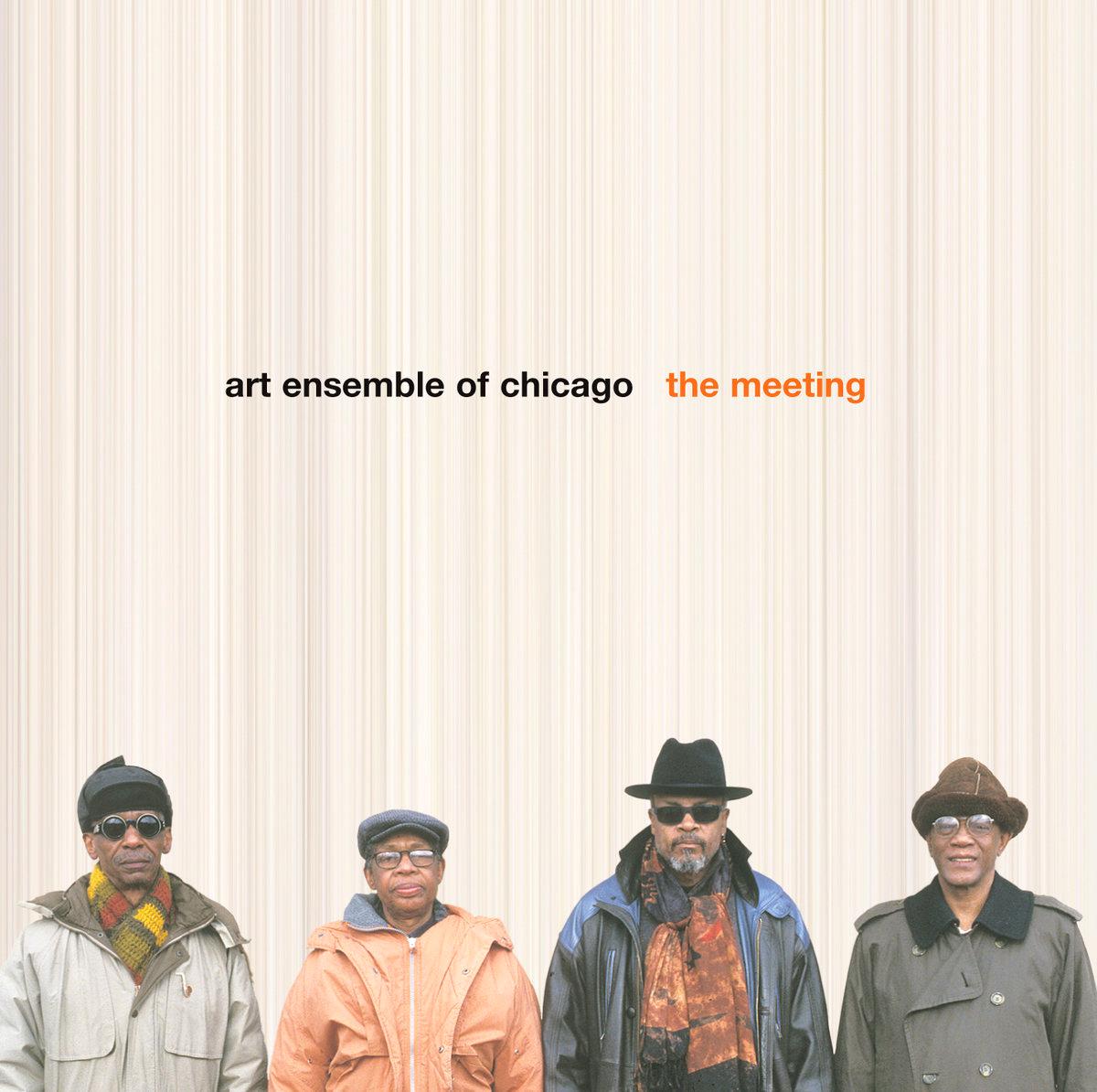
Bowie grew up in St. Louis, playing in local jazz and rhythm & blues bands, including those led by Little Milton and Albert King. Bowie moved to Chicago in 1965, where he became musical director for singer Fontella Bass. There Bowie met most of the musicians with whom he would go on to make his name -- saxophonists Joseph Jarman and Roscoe Mitchell and drummer Jack DeJohnette among them. He was a founding member of the Association for the Advancement of Creative Musicians and (in 1969) the Art Ensemble of Chicago. Bowie's various bands included From the Root to the Source -- a sort of gospel/jazz/rock fusion group -- and Brass Fantasy, an all-brass, postmodern big band that became his most popular vehicle. Bowie's catholic tastes were evidenced by the band's repertoire; on albums, they covered a nutty assortment of tunes, ranging from Jimmy Lunceford's "Siesta for the Fiesta" to Michael Jackson's "Black and White." Besides his work as a leader and with the Art Ensemble, Bowie recorded as a sideman with DeJohnette, percussionist Kahil El'Zabar, composer Kip Hanrahan, and saxophonist David Murray. He was also a member of the mid-'80s all-star cooperative the Leaders. Bowie's music occasionally leaned too heavily on parody and aural slapstick to be truly affecting, but at its best, a Bowie-led ensemble could open the mind and move the feet in equal measure. ~ Chris Kelsey, Rovi
Viberate is a music analytics platform built for A&Rs, artist managers, labels, booking agents, marketers, and artists.
It helps music professionals track artist growth, analyze audience data, monitor playlist activity, compare artists, follow song performance, and identify opportunities across the music market.
Public artist pages provide a free preview of selected artist data. Paid plans provide access to deeper analytics, historical data, charts, comparisons, playlist tools, exports, alerts, reports, and additional professional features.
Yes. Public Viberate artist pages provide selected artist analytics and music data for free.
Viberate also offers a 7-day free trial of the full platform. A credit card is required to start the trial. The trial includes access to the complete product so users can test deeper artist analytics, historical views, playlist insights, comparisons, charts, exports, alerts, and reporting features before choosing a paid plan.
Viberate provides artist analytics across streaming, playlists, social media, video, radio airplay, songs, and audience markets.
Users can analyze Spotify performance, Spotify and Apple Music playlists, YouTube activity, TikTok and Instagram growth, radio spins, song performance, audience locations, demographics, rankings, and overall artist momentum.
Artist profiles also connect to music charts, similar artists, and comparison tools, helping users benchmark performance and evaluate artists in context.
Viberate updates key artist and track data daily.
For followed artists and tracks, selected data is refreshed multiple times per day. This helps teams monitor playlist changes, streaming movement, audience growth, releases, and campaign performance with more current data.
Update frequency can vary depending on the metric and data source.
Yes. Viberate lets users compare up to five artists side by side across streaming, social media, audience, and engagement metrics.
Users can compare fanbase growth, audience demographics, locations, Spotify performance, social metrics, and other artist data over selected time periods.
Artist comparison can be used for A&R scouting, benchmarking, booking decisions, campaign planning, and evaluating artists with similar audiences or market positions.