The Three Degrees

R&B
Soul
Mainstream Pop
 Viberate Rank: 29210
 Viberate Rank: 29210
 Monthly ListenersFollowers
 Subscribers
 Followers
 Followers
 FansTop Spotify Songs
| Track | 7-Day Streams | |
|---|---|---|
1 | 193.74K | |
2 | 53.81K | |
3 | 12.31K | |
4 | 11.32K | |
5 | 10.50K |
Top YouTube Videos| Video | 7-Day Views | |
|---|---|---|
1 | 20.45K | |
2 | 19.34K | |
3 | 8.44K | |
4 | 7.43K | |
5 | 6.15K |
Monthly ListenersFeatured in Playlists| Playlist | Followers | |
|---|---|---|
1 |  70s Soul Classics Spotify | 1.88M |
2 |  Soft 70s Spotify | 1.19M |
3 |  Soulful Disco Spotify | 552.90K |
4 |  GTA San Andreas Radio Low Fidelity | 252.20K |
5 |  Philly Soul Spotify | 180.58K |
Audience| City | Monthly Listeners | |
|---|---|---|
1 |  | 8.73K |
2 |  | 6.79K |
3 |  | 5.88K |
4 |  | 5.28K |
5 | | 5.25K |
See full performance history, audience data, playlist activity, rankings, comparisons, and more in Viberate music analytics. Start with a free trial, then continue with a paid plan.
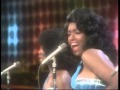
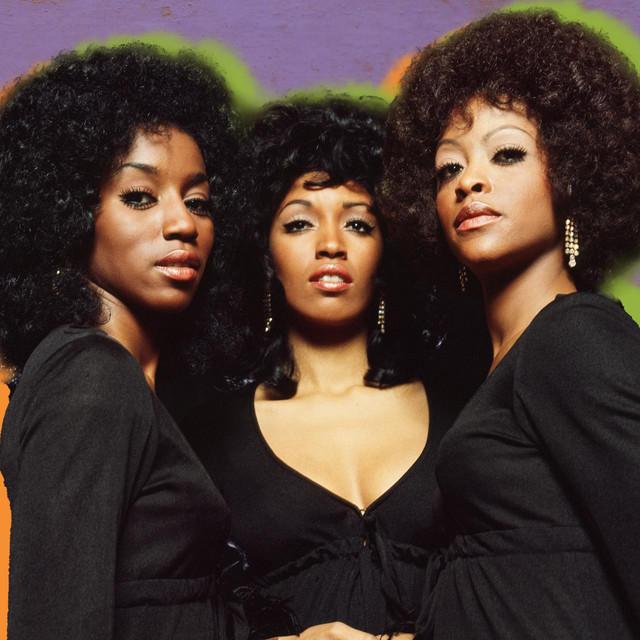
The Three Degrees’ Spotify BioPhilly soul vocal group the Three Degrees started in 1963 in Philadelphia, PA. They were discovered by producer and songwriter Richard Barrett. Barrett was a key force for 1950s groups the Chantels, Little Anthony & the Imperials, Frankie Lymon and the Teenagers, and his own group the Valentines. The original lineup was Fayette Pickney, Shirley Porter, and Linda Turner. Barrett recorded this lineup on their first single, "Gee Baby (I'm Sorry)." In 1963, Linda Turner and Shirley Porter left the group and were replaced by Helen Scott and Janet Jones. Around this time, Barrett began managing and producing Sheila Ferguson who was a high school friend of Scott. Barrett got deals for both the group and Ferguson with Swan Records. By 1966, Helen decided to leave the group and become a housewife. Sheila Ferguson took her place. She sang backup on all the Three Degrees' Swan recordings, as did the Three Degrees for her solo singles. In 1967, Valerie Holiday joined the group, while Janet Jones… departed. Over the next four years, both the Three Degrees and Ferguson released many singles.
In 1970, now signed to Roulette Records, the Three Degrees scored their first national chart hit with a remake of the Chantels' "Maybe". It went to number four R&B in summer 1970. The follow-up, "I Do Take You," peaked at number seven R&B. Barrett got the group short-term deals with Warner Bros., Metromedia, and Gamble & Huff's Neptune Label. The group had a cameo in the classic 1971 movie The French Connection starring Gene Hackman and toured with Engelbert Humperdink. In 1973, Barrett worked a deal with Gamble & Huff's Philadelphia International Records (PIR). The Three Degrees' first PIR single was "Dirty Ol' Man," a disco hit. A short time later, Don Cornelius, producer and host of TV's Soul Train, approached Gamble & Huff about coming up with a new theme song for his hit syndicated show. The Three Degrees were asked to do vocals at the end of the show's new theme track. After some airings, public demand forced the TV show's theme to be released as a single. "TSOP (The Sound of Philadelphia)" by MFSB featuring the Three Degrees went gold hitting number one R&B and holding the number one pop for two weeks during spring 1974. Meanwhile, a previously released Three Degrees single, "Year of Decision," stalled at number 74 R&B. Another MFSB/Three Degrees single, "Love Is the Message," peaked at number 42 R&B in the summer of that year. In the summer of 1974, PIR released another single on the group, "When Will I See You Again." The single went platinum, selling over two million copies, going to number four R&B and number two pop around September 1974. Their PIR debut album, The Three Degrees, was released at the end of 1974. The follow-up, "I Didn't Know," written and produced by Bunny Sigler, went to number 18 R&B in early 1975. The group performed the song on a guest appearance on the hit NBC show Sanford and Son. Their only other charting PIR single was "Take Good Care of Yourself" (number 64 R&B in summer 1975).
Around 1976, Pickney left the group and was replaced by returning member Helen Scott. CBS released their album Standing up for Love in the U.S. in 1977. In 1978, the Three Degrees were signed to European label Ariola Records. The group recorded three LPs for the label. Longtime favorites in the U.K., the group performed at Buckingham Palace for Prince Charles' 30th birthday party and they were guests at his wedding to Princess Diana. During the first half of the '80s, the Three Degrees released U.K.-issued albums, Album of Love and Live in the UK and singles, "Liar" and "A Sonnet to Love." Stock/Aitken/Waterman produced a 1985 U.K. chart hit, "The Heaven I Need," on the group for Supreme Records. In 1986, Sheila Ferguson left the group. With Helen Scott, Valerie Holiday, and Victoria Wallace, the group recorded an album for Ichiban Records, ...And Holding! The act recorded another live CD with Billy Paul and Harold Melvin and the Bluenotes during a TSOP tour in the summer of 1989. Scott, Holiday, and new member Cynthia Garrison recorded three albums in the 1990s. ~ Ed Hogan, Rovi
Viberate is a music analytics platform built for A&Rs, artist managers, labels, booking agents, marketers, and artists.
It helps music professionals track artist growth, analyze audience data, monitor playlist activity, compare artists, follow song performance, and identify opportunities across the music market.
Public artist pages provide a free preview of selected artist data. Paid plans provide access to deeper analytics, historical data, charts, comparisons, playlist tools, exports, alerts, reports, and additional professional features.
Yes. Public Viberate artist pages provide selected artist analytics and music data for free.
Viberate also offers a 7-day free trial of the full platform. A credit card is required to start the trial. The trial includes access to the complete product so users can test deeper artist analytics, historical views, playlist insights, comparisons, charts, exports, alerts, and reporting features before choosing a paid plan.
Viberate provides artist analytics across streaming, playlists, social media, video, radio airplay, songs, and audience markets.
Users can analyze Spotify performance, Spotify and Apple Music playlists, YouTube activity, TikTok and Instagram growth, radio spins, song performance, audience locations, demographics, rankings, and overall artist momentum.
Artist profiles also connect to music charts, similar artists, and comparison tools, helping users benchmark performance and evaluate artists in context.
Viberate updates key artist and track data daily.
For followed artists and tracks, selected data is refreshed multiple times per day. This helps teams monitor playlist changes, streaming movement, audience growth, releases, and campaign performance with more current data.
Update frequency can vary depending on the metric and data source.
Yes. Viberate lets users compare up to five artists side by side across streaming, social media, audience, and engagement metrics.
Users can compare fanbase growth, audience demographics, locations, Spotify performance, social metrics, and other artist data over selected time periods.
Artist comparison can be used for A&R scouting, benchmarking, booking decisions, campaign planning, and evaluating artists with similar audiences or market positions.