Leaf Hound

Rock
Hard Rock
Stoner Rock
 Viberate Rank: 157613
 Viberate Rank: 157613
 Monthly ListenersFollowers
 Subscribers
 Followers
 Followers
 FansTop Spotify Songs
| Track | 7-Day Streams | |
|---|---|---|
1 | 8.00K | |
2 | 3.91K | |
3 | 3.30K | |
4 | 1.53K | |
5 | 1.34K |
Top YouTube VideosMonthly ListenersFeatured in Playlists| Playlist | Followers | |
|---|---|---|
1 |  FENRIZ METAL Gylve | 32.35K |
2 |  The Ultimate Vietnam War Era Playlist ed.02 | 31.52K |
3 |  Stoner Rock A-Z boogievan | 24.16K |
4 |  Psychedelic / Stoner / Desert Rock 🍄 Jaimy | 20.24K |
5 |  Rock Psicodélico marcelosimoncini | 14.53K |
Audience| City | Monthly Listeners | |
|---|---|---|
1 |  | 438 |
2 |  | 374 |
3 | | 355 |
4 |  | 321 |
5 | | 300 |
See full performance history, audience data, playlist activity, rankings, comparisons, and more in Viberate music analytics. Start with a free trial, then continue with a paid plan.
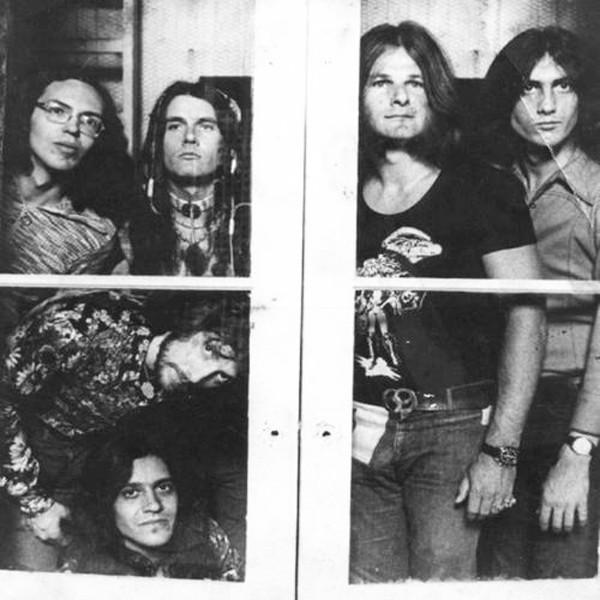
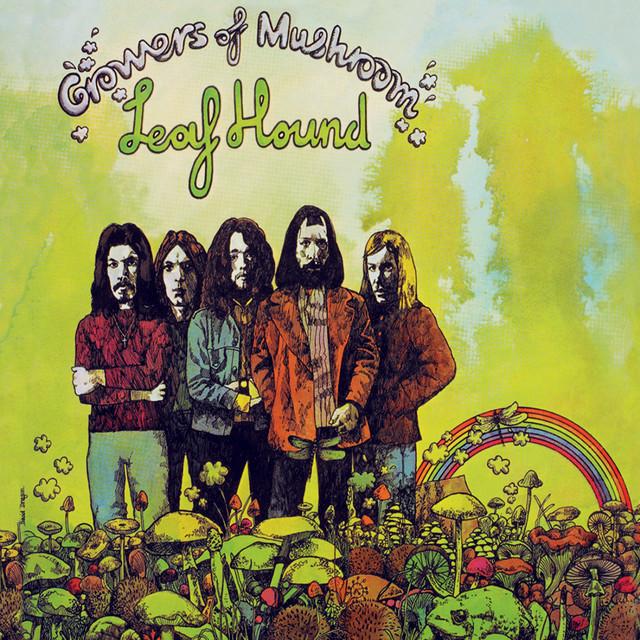
Leaf Hound’s Spotify BioLeaf Hound were one of the dozens of heavy rock bands that evolved during the late-'60s British blues-rock boom. Rhythm guitarist Derek Brooks and his brother, Stuart Brooks, had been in the Black Cat Bones, a South London-based band that at one time featured Free's Paul Kossoff. Vocalist Peter French and his cousin, lead guitarist Mick Halls, had been in several London groups: Switch, Erotic Eel, Joe Poe, and the Brunning Sunflower Blues Band (featuring Bob Brunning). In the latter half of 1970, after the Black Cat Bones' lead guitarist Rod Price quit (he was heading off to join Foghat), the Brooks brothers formed a new group with Halls and French, drafting in newcomer Keith George Young on drums. This new group -- christened Leaf Hound, a name found in an anthology of stories by horror writer Herbert Van Thal -- recorded "Barbed Wire Sandwich" for Decca's Nova subsidiary in 1969, and soon were playing shows in England, reportedly blowing headliners UFO off-stage. A full-length… recording contract with Decca Records soon followed, and the band found themselves ensconced in the Mayfair's Spot Studios, where they recorded Growers of Mushrooms in a mere 11 hours. Meanwhile, the band traveled to Germany, where their album was licensed for release by the Telefunken label. This German-only release actually preceded the official U.K. release on Decca; somewhat surprisingly, it omitted two tracks: the title song and the lead-off track, a blistering "Freelance Fiend." Telefunken also issued a single, "Drowned My Life in Fear," which was backed with the non-LP track "It's Going to Get Better." Then, in October 1971, Decca finally released the band's debut in their own country, adding back the omitted tracks. However by then, Leaf Hound had already decided to call it a day. French had the most success thereafter. He was briefly in a group called Big Bertha before he joined Atomic Rooster, around the time of 1971's In Hearing of Atomic Rooster. He eventually left that band to join the U.S.-based boogie band Cactus (featuring former Vanilla Fudge members Tim Bogert and Carmine Appice), then returned to the U.K. to join a later lineup of Randy Pie, circa 1977. He also sang in Der Fuhrer, a controversial German rock opera highlighting the futility of war, before finally recording a solo album, 1978's Ducks in Flight, for Polydor Germany with an all-star session crew including ex-Thin Lizzy guitarist Brian Robertson and Kenney Jones (ex-Small Faces). Growers of Mushrooms, long out of print for decades (and commanding a hefty price from collectors, up to as much as 1,300 dollars), was finally reissued on CD by Repertoire in 1994 and See for Miles in 1995. ~ Bryan Thomas, Rovi
Viberate is a music analytics platform built for A&Rs, artist managers, labels, booking agents, marketers, and artists.
It helps music professionals track artist growth, analyze audience data, monitor playlist activity, compare artists, follow song performance, and identify opportunities across the music market.
Public artist pages provide a free preview of selected artist data. Paid plans provide access to deeper analytics, historical data, charts, comparisons, playlist tools, exports, alerts, reports, and additional professional features.
Yes. Public Viberate artist pages provide selected artist analytics and music data for free.
Viberate also offers a 7-day free trial of the full platform. A credit card is required to start the trial. The trial includes access to the complete product so users can test deeper artist analytics, historical views, playlist insights, comparisons, charts, exports, alerts, and reporting features before choosing a paid plan.
Viberate provides artist analytics across streaming, playlists, social media, video, radio airplay, songs, and audience markets.
Users can analyze Spotify performance, Spotify and Apple Music playlists, YouTube activity, TikTok and Instagram growth, radio spins, song performance, audience locations, demographics, rankings, and overall artist momentum.
Artist profiles also connect to music charts, similar artists, and comparison tools, helping users benchmark performance and evaluate artists in context.
Viberate updates key artist and track data daily.
For followed artists and tracks, selected data is refreshed multiple times per day. This helps teams monitor playlist changes, streaming movement, audience growth, releases, and campaign performance with more current data.
Update frequency can vary depending on the metric and data source.
Yes. Viberate lets users compare up to five artists side by side across streaming, social media, audience, and engagement metrics.
Users can compare fanbase growth, audience demographics, locations, Spotify performance, social metrics, and other artist data over selected time periods.
Artist comparison can be used for A&R scouting, benchmarking, booking decisions, campaign planning, and evaluating artists with similar audiences or market positions.