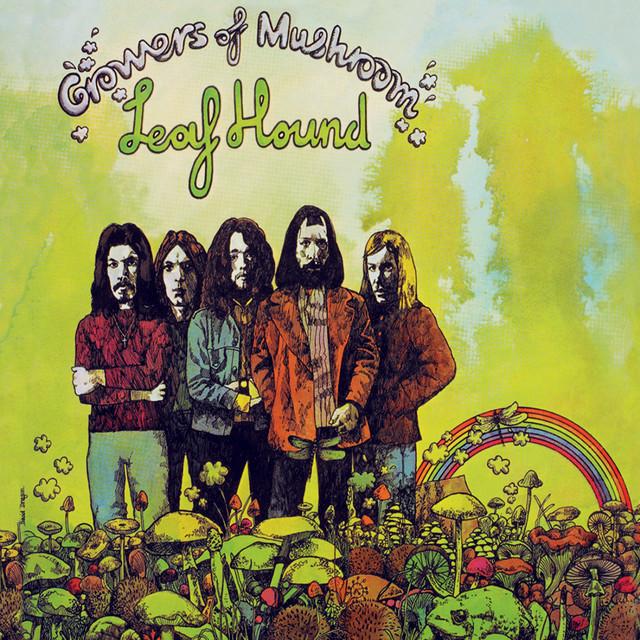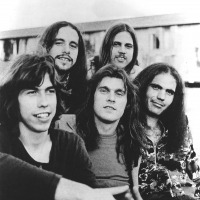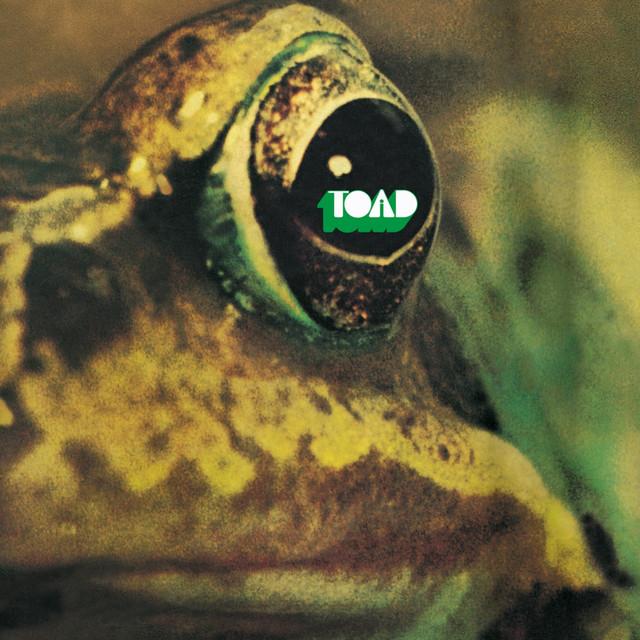
TOad

Electronic
House
Progressive Rock
 Viberate Rank: 186954
 Viberate Rank: 186954
 Monthly ListenersFollowers
 Subscribers
 Followers
 Followers
 FansTop Spotify Songs
| Track | 7-Day Streams | |
|---|---|---|
1 | 4.59K | |
2 | 3.89K | |
3 | 2.81K | |
4 | 2.05K | |
5 | 1.48K |
Top YouTube VideosMonthly ListenersFeatured in Playlists| Playlist | Followers | |
|---|---|---|
1 |  Toad sings StarofShow | 40.23K |
2 |  FENRIZ METAL Gylve | 32.35K |
3 |  Rock Psicodélico marcelosimoncini | 14.53K |
4 |  70s Proto-Metal, Heavy Psych & Obscure Hard Rock Jordan Edrei | 11.27K |
5 | 60s & 70s Hard Rock / Heavy Metal Walrus | 7.34K |
Audience| City | Monthly Listeners | |
|---|---|---|
1 |  | 412 |
2 |  | 292 |
3 |  | 266 |
4 | | 251 |
5 |  | 237 |
See full performance history, audience data, playlist activity, rankings, comparisons, and more in Viberate music analytics. Start with a free trial, then continue with a paid plan.
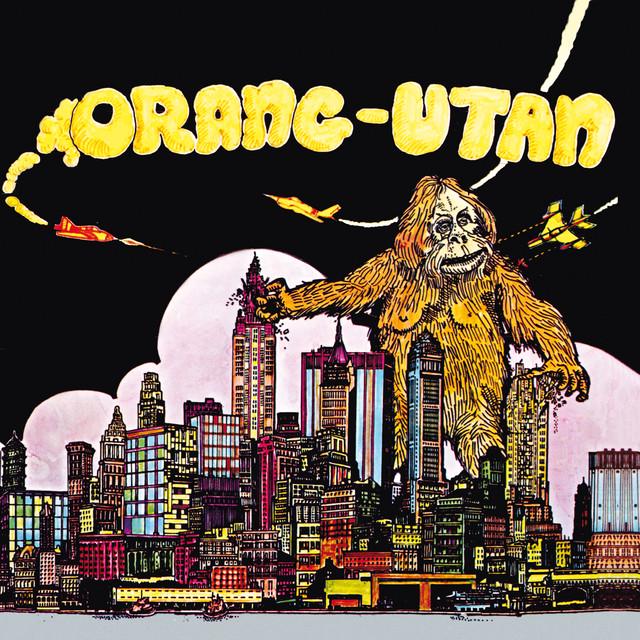
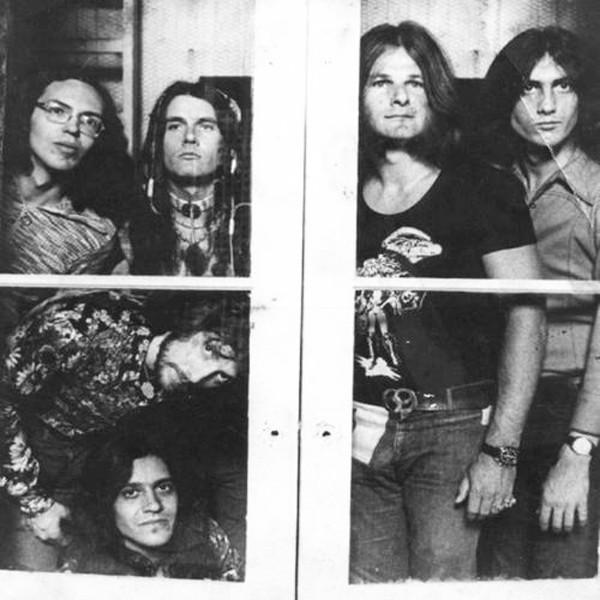
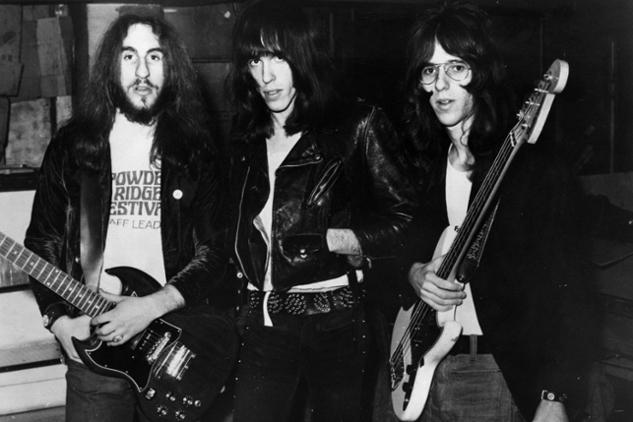
TOad’s Spotify BioSwiss hard rock and blues-rock outfit Toad leaped onto their country's charts with their debut single, "Stay," in 1972 -- paving the way for the massive Swiss metal movement of the early '80s and such notable bands as Krokus and Celtic Frost. Mainly a three-piece, consisting of Vittorio "Vic" Vergeat (guitar/vocals), Werner Frohlich (bass), and Cosimo Lampis (drums), Toad often enlisted the help of an additional lead vocalist in much of their studio work (Bens Jaeger sang lead on their debut, but departed the group as soon as recording was completed). That same year, the live album Open Fire: Live in Basel 1972 hit stores, taking advantage of the band's constant and successful touring. Tomorrow Blue followed shortly after, appearing in 1973, and the band released Dreams early in 1974. A few live albums, compilations, and studio works continued to trickle out during the rest of the '70s and early '80s, with the core Toad lineup still firmly in place. By the early 2000s, interest in the… early European hard rock scene in general (and Toad in particular) led to a slew of deluxe CD reissues and collections -- the best of which were to be found on the Italian imprint Akarma. ~ J. Scott McClintock, Rovi
Viberate is a music analytics platform built for A&Rs, artist managers, labels, booking agents, marketers, and artists.
It helps music professionals track artist growth, analyze audience data, monitor playlist activity, compare artists, follow song performance, and identify opportunities across the music market.
Public artist pages provide a free preview of selected artist data. Paid plans provide access to deeper analytics, historical data, charts, comparisons, playlist tools, exports, alerts, reports, and additional professional features.
Yes. Public Viberate artist pages provide selected artist analytics and music data for free.
Viberate also offers a 7-day free trial of the full platform. A credit card is required to start the trial. The trial includes access to the complete product so users can test deeper artist analytics, historical views, playlist insights, comparisons, charts, exports, alerts, and reporting features before choosing a paid plan.
Viberate provides artist analytics across streaming, playlists, social media, video, radio airplay, songs, and audience markets.
Users can analyze Spotify performance, Spotify and Apple Music playlists, YouTube activity, TikTok and Instagram growth, radio spins, song performance, audience locations, demographics, rankings, and overall artist momentum.
Artist profiles also connect to music charts, similar artists, and comparison tools, helping users benchmark performance and evaluate artists in context.
Viberate updates key artist and track data daily.
For followed artists and tracks, selected data is refreshed multiple times per day. This helps teams monitor playlist changes, streaming movement, audience growth, releases, and campaign performance with more current data.
Update frequency can vary depending on the metric and data source.
Yes. Viberate lets users compare up to five artists side by side across streaming, social media, audience, and engagement metrics.
Users can compare fanbase growth, audience demographics, locations, Spotify performance, social metrics, and other artist data over selected time periods.
Artist comparison can be used for A&R scouting, benchmarking, booking decisions, campaign planning, and evaluating artists with similar audiences or market positions.