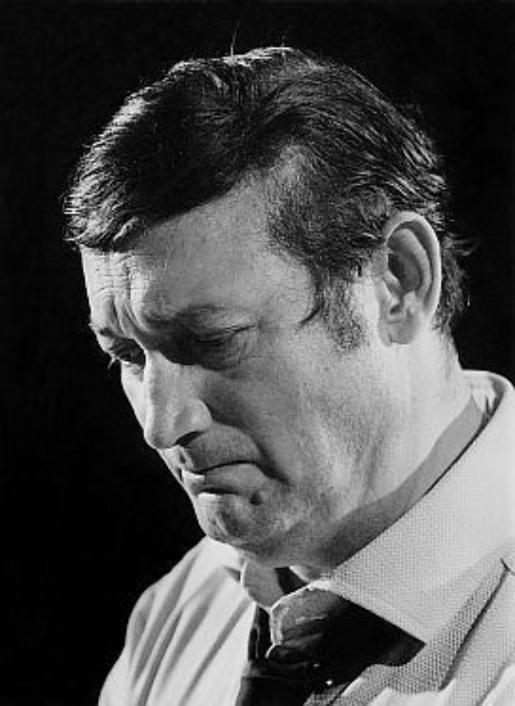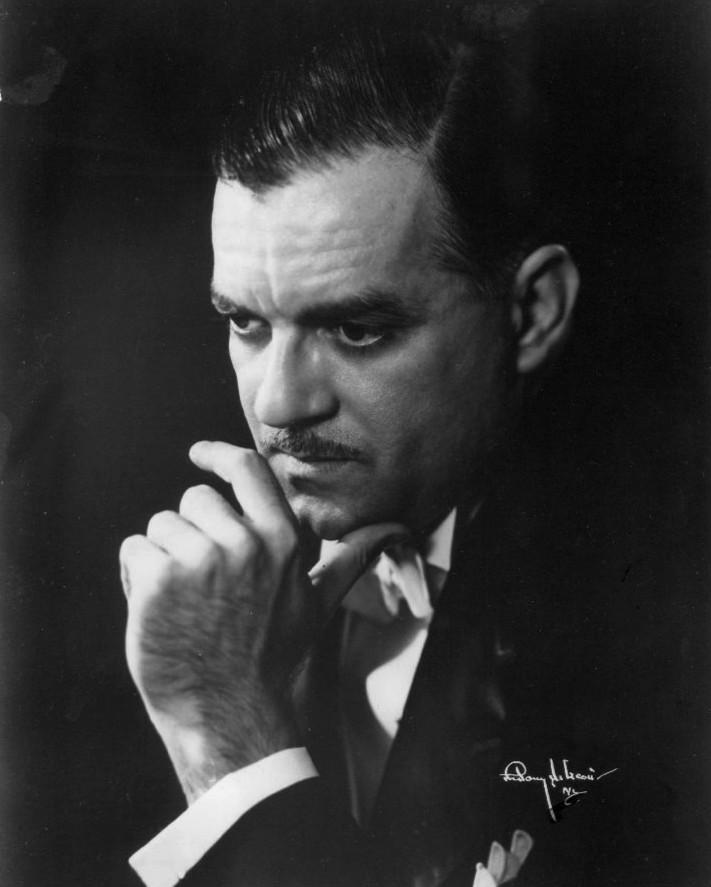
Lazar Berman

Classical
Classical Crossover
 Viberate Rank: 258630
 Viberate Rank: 258630
 Monthly ListenersFollowers
 Subscribers
 Followers
 Followers
 FansTop Spotify Songs
| Track | 7-Day Streams | |
|---|---|---|
1 | 2.72K | |
2 | 1.33K | |
3 | 1.33K | |
4 | 561 | |
5 | 403 |
Top YouTube VideosMonthly ListenersFeatured in Playlists| Playlist | Followers | |
|---|---|---|
1 |  Música Clásica Germán García Lillo | 341.87K |
2 |  Haruki Murakami's vinyl collection Masamaro | 109.94K |
3 |  Every song in Haruki Murakami's books Far Out Magazine | 21.77K |
4 |  Piano Masters Deutsche Grammophon (DG) | 16.34K |
5 |  村上春樹の100曲 Yuichiro Kurihara | 15.24K |
Audience| City | Monthly Listeners | |
|---|---|---|
1 |  | 462 |
2 |  | 336 |
3 |  | 325 |
4 |  | 290 |
5 |  | 261 |
See full performance history, audience data, playlist activity, rankings, comparisons, and more in Viberate music analytics. Start with a free trial, then continue with a paid plan.
Lazar Berman’s Spotify BioHailed by some as the third primary figure among great Russian pianists of the twentieth century's second half, Lazar Berman has occasionally lived up to that reputation, but frequently has not. Emil Gilels, the first genius-level Soviet pianist to become well-known in the West, insisted that there was one artist, yet unheard in the West, who was the greater artist. Later, after Sviatoslav Richter's arrival in Europe and America, most felt Gilels had been correct. Still later, however, Gilels maintained that yet another pianist, Lazar Berman, was the finest of the three. After the initial stir created by Berman's 1976 American tour and other appearances in the West, critical opinion held that, while he was an extraordinary if uneven artist, he was not superior to the protean Richter or to the clear-minded Gilels. Still, his art was of an order by no means common.
Trained at first by his mother, Anna Makhover, a former student of the pre-Revolutionary St. Petersburg Conservatory, Berman… at age three and a half was placed under the tutelage of Samary Savschinsky at the Leningrad Conservatory and gave his first public performance at age four. When his family moved to Moscow in 1939, Berman came to the attention of the celebrated pianist Alexander Goldenweiser, who instructed young Lazar first at the Moscow Central Children's Music School, later at the Moscow Conservatory. Just a year after the move, Berman performed Mozart with the Moscow Philharmonic. Berman remained at the Conservatory through his post-graduate studies, completing his work there in 1957 after having won prizes at Brussels' Queen Elisabeth Competition in 1956 and at the Franz Liszt Competition in Budapest. During a tour of the West, he recorded Beethoven's Appassionata and Liszt's Sonatas for piano in B minor in London. The recording whetted appetites for more Berman performances, but the pianist was forbidden to travel further between 1959 and 1971 owing to his having taken a French wife.
Meanwhile, recordings of Liszt, made for the Soviet Melodiya label, found their way to Europe and America, keeping alive interest in Berman's astounding technique and brio in the Romantic repertory. Once he was able to resume foreign tours in the mid-'70s, Berman's reputation rose to stratospheric levels as audiences praised not only his seemingly unshakeable technique, but also his musical authority. His 1976 American tour played to sold-out houses and brought him return bookings, as well as debuts in London, Paris, and other major Continental centers. His recording of Tchaikovsky's Piano Concerto No. 1 with Herbert von Karajan and the Berlin Philharmonic became a best-seller.
After the flourishes waved his way in the 1970s, Berman's critics began to focus on the pianist's limitations. Surely, there were few who could play Liszt as he did, or Rachmaninoff, Tchaikovsky, and Scriabin. The composers of pre-Romantic times, however, were another matter. The strictures of that age were uncongenial to one so overtly big-boned in technique, so openly Romantic in temperament. Then in 1980, the discovery of forbidden American literature in his luggage led to another ban on foreign travel. The Soviets did recognize his importance by making him an Honored Artist in 1988, but after the collapse of the U.S.S.R., Berman abandoned Moscow in 1990 to teach in Norway and Italy, making his home in the latter country ever since and acquiring Italian citizenship in 1994. In later life he taught at Imola and performs with his violinist son, Pavel.
Viberate is a music analytics platform built for A&Rs, artist managers, labels, booking agents, marketers, and artists.
It helps music professionals track artist growth, analyze audience data, monitor playlist activity, compare artists, follow song performance, and identify opportunities across the music market.
Public artist pages provide a free preview of selected artist data. Paid plans provide access to deeper analytics, historical data, charts, comparisons, playlist tools, exports, alerts, reports, and additional professional features.
Yes. Public Viberate artist pages provide selected artist analytics and music data for free.
Viberate also offers a 7-day free trial of the full platform. A credit card is required to start the trial. The trial includes access to the complete product so users can test deeper artist analytics, historical views, playlist insights, comparisons, charts, exports, alerts, and reporting features before choosing a paid plan.
Viberate provides artist analytics across streaming, playlists, social media, video, radio airplay, songs, and audience markets.
Users can analyze Spotify performance, Spotify and Apple Music playlists, YouTube activity, TikTok and Instagram growth, radio spins, song performance, audience locations, demographics, rankings, and overall artist momentum.
Artist profiles also connect to music charts, similar artists, and comparison tools, helping users benchmark performance and evaluate artists in context.
Viberate updates key artist and track data daily.
For followed artists and tracks, selected data is refreshed multiple times per day. This helps teams monitor playlist changes, streaming movement, audience growth, releases, and campaign performance with more current data.
Update frequency can vary depending on the metric and data source.
Yes. Viberate lets users compare up to five artists side by side across streaming, social media, audience, and engagement metrics.
Users can compare fanbase growth, audience demographics, locations, Spotify performance, social metrics, and other artist data over selected time periods.
Artist comparison can be used for A&R scouting, benchmarking, booking decisions, campaign planning, and evaluating artists with similar audiences or market positions.