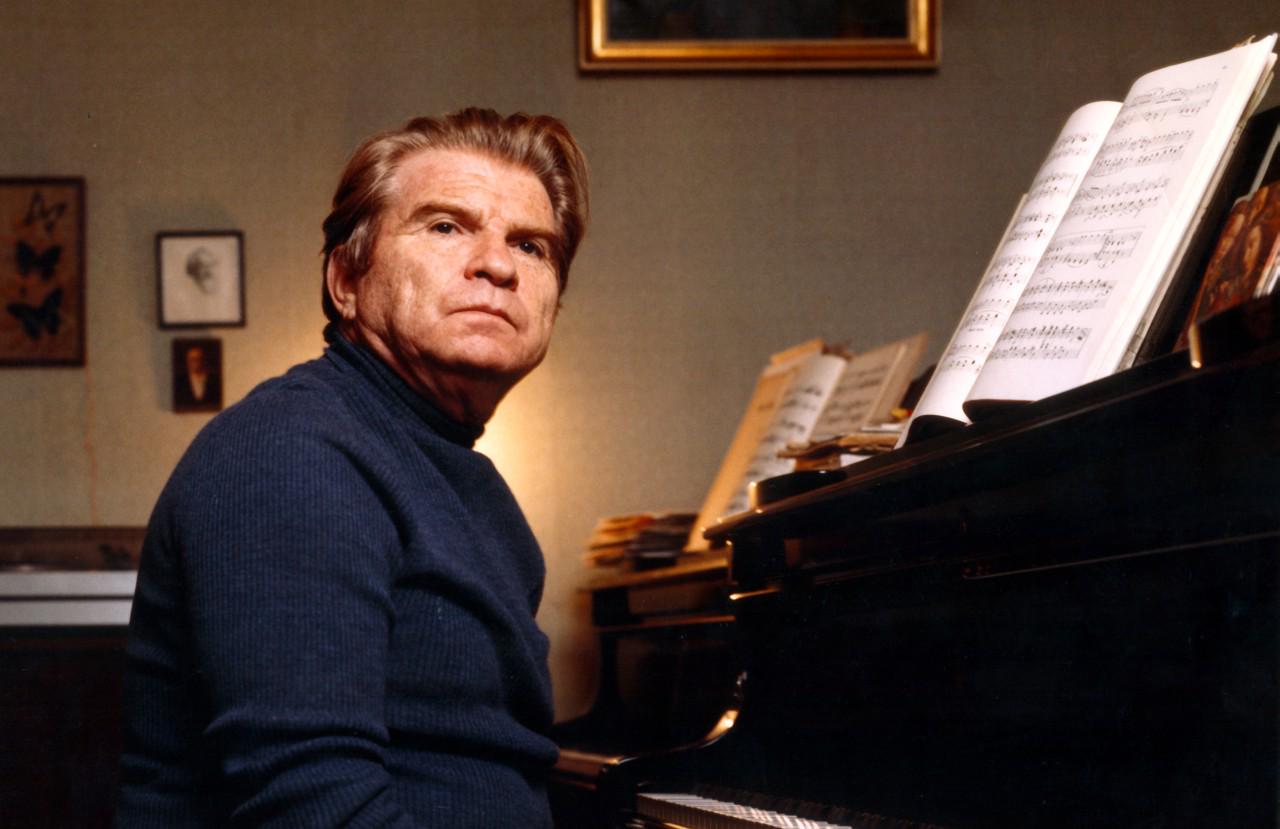
Emil Gilels

Classical
Classical Crossover
Chamber Music
 Viberate Rank: 113204
 Viberate Rank: 113204
 Monthly ListenersFollowers
 Subscribers
 Followers
 Followers
 FansTop Spotify Songs
| Track | 7-Day Streams | |
|---|---|---|
1 | 6.37K | |
2 | 4.85K | |
3 | 3.45K | |
4 | 1.59K | |
5 | 1.59K |
Top YouTube VideosMonthly ListenersFeatured in Playlists| Playlist | Followers | |
|---|---|---|
1 |  Easy Listening Classical For Study, Work, Relaxing, Chillout, Anything But Serious Listening Ulysses' Classical | 99.24K |
2 |  1000 Recordings to Hear Before You Die (Tom Moon): Album Index Ulysses' Classical | 94.29K |
3 |  Chopin - Best of || Romantic | Relaxing | Classical | Piano Deutsche Grammophon (DG) | 58.45K |
4 |  esibelyalcin | 41.36K |
5 | Introduction to Classical Music gauravkumar87 | 32.53K |
Audience| City | Monthly Listeners | |
|---|---|---|
1 |  | 1.19K |
2 |  | 923 |
3 |  | 886 |
4 |  | 754 |
5 |  | 736 |
See full performance history, audience data, playlist activity, rankings, comparisons, and more in Viberate music analytics. Start with a free trial, then continue with a paid plan.
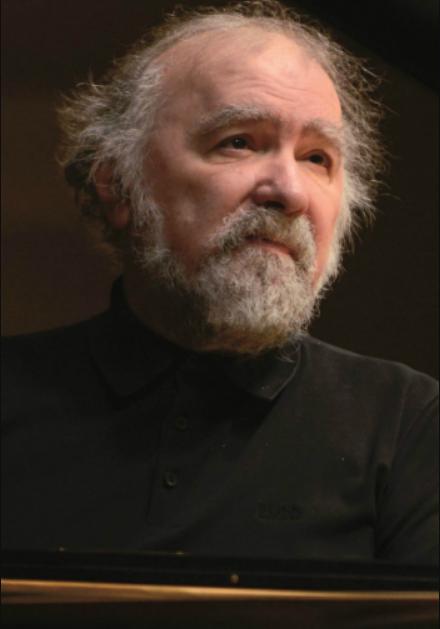
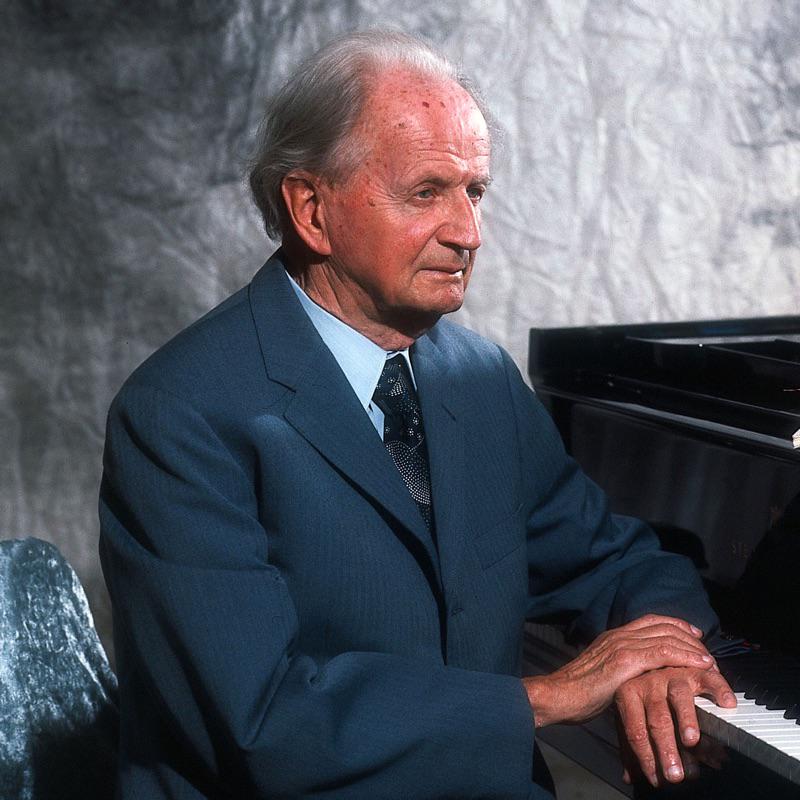
Emil Gilels’ Spotify BioEmil Gilels was one of the great pianists of history, renowned for his clear, steady playing as much as for his virtuoso brilliance. He was a master of a wide repertory from the time of Bach to his own compatriots and one of the first pianists to adopt a modern, more objective style of playing and interpreting music. He was also one of the first Soviet artists allowed to perform in the West following World War II. His numerous recordings made both in studio and from live recitals and on both Soviet state-sponsored and Western labels have been digitally remastered for contemporary listeners to experience his legacy.
Gilels was born in Odessa on October 19, 1916. The son of a bookkeeper in a sugar factory, Gilels grew up in a musical family: his parents were enthusiastic amateur pianists. Gilels' younger sister, Elizabeth, became a violinist. He entered the Odessa Institute of Music and Drama in 1922 to study with Yakov Tkatch and Berthe Ringold. Following a successful debut as a child… prodigy in 1929, he transferred to study at the Odessa Conservatory in 1932, where Arthur Rubinstein heard him. With Rubinstein's encouragement, Gilels entered the All-Union Musicians' Competition for pianists in 1933 and captured the top prize, the first in a string of prizes he would win in international competitions in the mid-'30s. He was simultaneously studying with Heinrich Neuhaus at the Moscow Conservatory and became Neuhaus' assistant in 1938. Gilels and David Oistrakh were meant to appear at the 1939 New York World's Fair, but the outbreak of World War II in Europe prevented their travel. Throughout the war, Gilels was confined to the Soviet Union, performing for the troops and in occupied cities. After the war, he won the Stalin Prize, and over the years, he was given many other awards and honors in recognition of his contributions to morale during the war.
Gilels, Leonid Kogan -- his sister's husband -- and Mstislav Rostropovich formed a trio in 1945. Gilels and his sister gave recitals after the war, and he also performed two-piano music with Yacov Flier. In 1947, Gilels married pianist and composer Farizet Khutsyostova, whom he had met when they were both students at the Moscow Conservatory. Their daughter Elena also became a concert pianist. The year after Gilels' marriage, he made his first appearance outside the Soviet Union, a recital in Prague. This was followed by concerts in Florence, Scandinavia, and Berlin and by his first recordings. Gilels made his triumphant American debut in October 1955 with the Philadelphia Orchestra under Eugene Ormandy, becoming the first prominent Soviet musician to appear in the United States since the start of the Cold War. He went on to perform to equal acclaim in New York, where the contrast between his small physical stature and his magisterial playing prompted the New York Times to call him "the little giant." Gilels returned to North America for a Canadian tour the following year and had another successful debut in England in 1959.
Gilels was a two-time recipient of the Order of Lenin in the 1960s, as well as the Order of Commandeur Mérite Culturel et Artistique de Paris and Belgium's Order of Leopold. Throughout his performing career, Gilels continued to teach at the Moscow Conservatory, taking a few private students and teaching classes in technique. He died in Moscow on October 14, 1985. Gilels' strength was in the clarity and ease with which he played, in his brilliance, and in his "strong and unassuming musicianship," as critic Harold Schoenberg, who called him the "thinking man's pianist," put it. Indeed, Gilels' interpretations were always thought-provoking, inviting the listener the grasp the spiritual and intellectual totality of a particular composition. The list of composers he was known for playing is long, but a survey of his recordings, from youthful impulsiveness to mature mastery of subtle detail, is a well-rewarded journey. ~ TiVo Staff, Rovi
Viberate is a music analytics platform built for A&Rs, artist managers, labels, booking agents, marketers, and artists.
It helps music professionals track artist growth, analyze audience data, monitor playlist activity, compare artists, follow song performance, and identify opportunities across the music market.
Public artist pages provide a free preview of selected artist data. Paid plans provide access to deeper analytics, historical data, charts, comparisons, playlist tools, exports, alerts, reports, and additional professional features.
Yes. Public Viberate artist pages provide selected artist analytics and music data for free.
Viberate also offers a 7-day free trial of the full platform. A credit card is required to start the trial. The trial includes access to the complete product so users can test deeper artist analytics, historical views, playlist insights, comparisons, charts, exports, alerts, and reporting features before choosing a paid plan.
Viberate provides artist analytics across streaming, playlists, social media, video, radio airplay, songs, and audience markets.
Users can analyze Spotify performance, Spotify and Apple Music playlists, YouTube activity, TikTok and Instagram growth, radio spins, song performance, audience locations, demographics, rankings, and overall artist momentum.
Artist profiles also connect to music charts, similar artists, and comparison tools, helping users benchmark performance and evaluate artists in context.
Viberate updates key artist and track data daily.
For followed artists and tracks, selected data is refreshed multiple times per day. This helps teams monitor playlist changes, streaming movement, audience growth, releases, and campaign performance with more current data.
Update frequency can vary depending on the metric and data source.
Yes. Viberate lets users compare up to five artists side by side across streaming, social media, audience, and engagement metrics.
Users can compare fanbase growth, audience demographics, locations, Spotify performance, social metrics, and other artist data over selected time periods.
Artist comparison can be used for A&R scouting, benchmarking, booking decisions, campaign planning, and evaluating artists with similar audiences or market positions.